
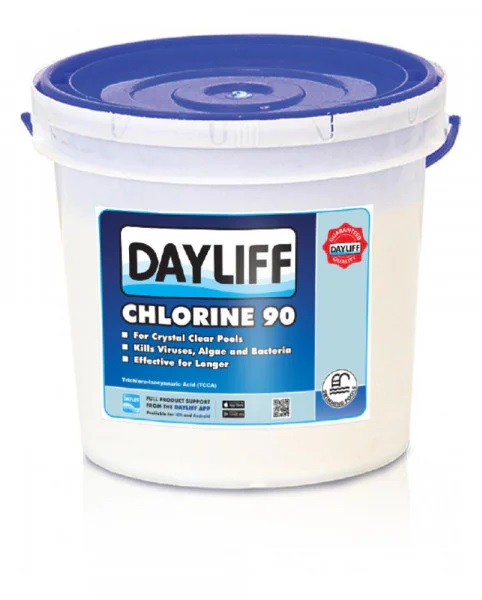
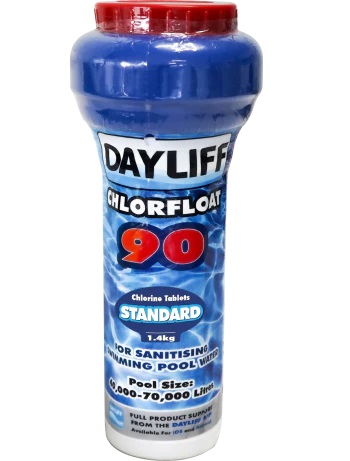
Chlorine 90- 1kg
KSh 500.00
Chlorine 90%
Verified Technical Specifications
| Specification | Verified Information |
| Chemical Formula | C₃Cl₃N₃O₃ |
| Active Ingredient | Trichloroisocyanuric Acid (TCCA) |
| Available Chlorine Content | 90% by weight |
| Physical Form | Tablets |
| Chemical Category | Disinfection and Sanitation Chemicals |
Note: Tablets from different manufacturers may vary in size, dissolution rate, and dissolution characteristics. Specifications not provided in the supplied reference material are noted as unavailable.
What Is Chlorine 90%?
Chlorine 90% is a stabilized swimming pool sanitizer containing Trichloroisocyanuric Acid (TCCA) as its active ingredient. With approximately 90% available chlorine, this highly concentrated compound provides long-lasting disinfection and sanitation for residential, commercial, hotel, and public pools across Kenya.
The TCCA formula releases chlorine slowly and steadily, making it ideal for continuous chlorination through floating dispensers or automatic feeders. Its stabilized nature means chlorine is protected from UV degradation, ensuring effective sanitization even under Kenya’s intense sunlight.
Who Should Use It?
Chlorine 90% is recommended for pool owners and operators seeking reliable, low-maintenance chlorination with extended protection. It is especially suitable for outdoor pools in high-UV environments, commercial facilities, hotels, resorts, schools, and residential estates requiring consistent sanitization.
Why Choose It?
With a higher available chlorine content (90%) compared to alternative products, Chlorine 90% offers enhanced disinfecting power. The stabilized formula provides excellent longevity, making it a cost-effective choice for ongoing pool maintenance.
Why Buy From Egret Swimming Pools?
Egret Swimming Pools is a trusted supplier of swimming pool chemicals in Kenya and East Africa, offering professional-grade products backed by water chemistry expertise. Our team provides technical guidance to ensure optimal treatment results for your pool.
Contact Us:
- 📞Call/WhatsApp: +254726545148
- 📧Email: info@egretswimmingpools.co.ke | egreteswimmingpools@gmail.com
- 🏢Location: Next to Total Petrol Station Kihunguro, Thika Road, Kenya
- 🕐Working Hours: Mon – Sat 8:30AM–5PM
Contact Egret Swimming Pools today for expert advice on Chlorine 90% and complete pool chemical solutions.
Description
Chlorine 90% – TCCA Pool Sanitizer & Disinfectant
Product Data
| Product Name | Chlorine 90% |
| Chemical Category | Disinfection and Sanitation Chemicals |
| Active Ingredient | Trichloroisocyanuric Acid (TCCA) |
| Chemical Formula | C₃Cl₃N₃O₃ |
| Alternative Names | TCCA, Super Chlorine, Trichlor |
| Primary Purpose | Long-lasting disinfection and sanitation |
| Typical Usage | Continuous chlorination |
Chlorine 90% – Product Overview
Chlorine 90% is a swimming pool water treatment chemical containing Trichloroisocyanuric Acid (TCCA) as its active ingredient. TCCA, with the chemical formula C₃Cl₃N₃O₃, is a white crystalline powder that is compressed into tablets for convenient pool chlorination. The “90%” designation indicates the available chlorine content by weight, making it one of the most concentrated chlorinating agents available.
Trichloroisocyanuric acid is an organic chlorine compound belonging to the chlorinated isocyanurate family. It has been used in swimming pool sanitation for decades, valued for its stability, high chlorine content, and slow-dissolving properties. The compound is produced through the chlorination of cyanuric acid, resulting in a stabilized chlorine product that resists UV degradation.
In swimming pool water treatment, Chlorine 90% serves as a primary disinfectant and sanitizer. When added to pool water, it hydrolyzes to release hypochlorous acid (HOCl), the active disinfecting agent, while also contributing cyanuric acid that provides ongoing UV protection. This dual action makes it particularly suitable for outdoor pools.
Egret Swimming Pools supplies Chlorine 90% as part of our comprehensive swimming pool chemicals range in Kenya, serving residential, commercial, hotel, and institutional facilities throughout East Africa.
Industry Relevance
Chlorine 90% occupies a critical position in professional pool maintenance programs. Its sustained-release characteristics make it the preferred choice for commercial pool operators, hotel maintenance teams, and residential pool owners seeking reliable, long-lasting sanitization. The product is particularly relevant for pools in high-UV environments like Kenya, where unstabilized chlorine degrades rapidly.
How It Works
Chemical Mechanism of Action
When Chlorine 90% TCCA tablets are placed in pool water, they undergo gradual dissolution and hydrolysis:
C₃Cl₃N₃O₃ + 3H₂O → 3HOCl + C₃H₃N₃O₃
This reaction releases hypochlorous acid (HOCl), the primary active disinfectant, along with cyanuric acid (C₃H₃N₃O₃). The hypochlorous acid dissociates partially into hypochlorite ions (OCl⁻) depending on water pH:
HOCl ⇌ H⁺ + OCl⁻
The cyanuric acid released provides chlorine stabilization, forming weak bonds with free chlorine that slow degradation from UV radiation. This protective effect significantly extends chlorine residual lifespan.
Slow-Release Mechanism
The tablet formulation allows controlled dissolution. The release rate depends on water temperature, flow rate past the tablet, and tablet surface area. This characteristic enables consistent, continuous chlorination without the peaks and troughs associated with manual dosing.
Sanitization Process
- Cell Membrane Disruption: HOCl penetrates bacterial cell walls rapidly
- Protein Denaturation: Active chlorine oxidizes essential proteins and enzymes
- Oxidative Damage: Chlorine causes oxidative damage to cellular components
- Contaminant Oxidation: Organic matter is oxidized, reducing chlorine demand
UV Protection
The cyanuric acid released during TCCA dissolution forms a weak complex with free chlorine:
HOCl + C₃H₃N₃O₃ ⇌ Cl-C₃H₃N₃O₃ + H₂O
This complex protects chlorine from photodegradation by UV radiation, allowing effective residual levels to be maintained despite sunlight exposure.
Why It Matters
- Health Protection
Consistent, reliable chlorination provides essential protection against waterborne pathogens. Kenya’s pool operators, particularly those managing hotels, schools, and public facilities, must maintain water quality that safeguards swimmer health. Chlorine 90% delivers sustained disinfection that meets public health expectations. - Water Sanitation
Continuous chlorination maintains active protection against bacteria, viruses, and algae. The slow-release action ensures consistent residual levels, preventing the gaps in protection that can occur with manual dosing. - Swimmer Comfort
Stabilized chlorine provides more consistent water quality, reducing the fluctuations that can cause eye and skin irritation. Swimmers experience greater comfort and satisfaction, which is critical for commercial facilities dependent on guest experience. - Pool Longevity
Preventing algae growth and bacterial colonization protects pool surfaces, equipment, and plumbing. The consistent sanitization provided by Chlorine 90% extends the life of pool finishes and reduces the need for aggressive cleaning. - Operational Efficiency
The slow-dissolving nature of Chlorine 90% reduces the frequency of chemical application. Pool operators spend less time on daily chemical adjustments, allowing more focus on overall pool management. - Cost-Effectiveness
The high available chlorine content (90%) means less product is required to achieve effective sanitization. Combined with reduced UV degradation, this translates to lower ongoing chemical costs.
Key Benefits
- High Available Chlorine Content (90%)
Chlorine 90% delivers approximately 90% available chlorine by weight, providing exceptional disinfecting power per unit weight. This high concentration reduces storage requirements and handling frequency.
Why It Matters: Higher concentration means more treatment capacity per kilogram, translating to better value and less frequent replacement.
Practical Outcome: Lower chemical costs and reduced storage space requirements for pool maintenance operations. - Stabilized Against UV Degradation
The cyanuric acid component protects chlorine from destruction by sunlight, a critical advantage for outdoor pools in Kenya where UV radiation is intense.
Why It Matters: Unstabilized chlorine can lose up to 90% of its effectiveness within hours of sunlight exposure.
Practical Outcome: Longer-lasting chlorine residual, more consistent sanitization, and less frequent chemical addition. - Slow-Release Formulation
The tablet form dissolves gradually, providing continuous chlorination without the peaks associated with daily manual dosing.
Why It Matters: Consistent chlorine levels improve water quality and reduce the risk of bacterial growth during periods between chemical applications.
Practical Outcome: More stable water chemistry, reduced maintenance workload, and better swimmer protection. - Ease of Application
Tablets are simple to use with floating dispensers, automatic feeders, or skimmer baskets. This eliminates the handling and mixing required for granular products.
Why It Matters: Reduced operator exposure to chemicals and simplified maintenance procedures.
Practical Outcome: Safer chemical handling and more consistent treatment application. - pH Neutral Operation
TCCA has a relatively neutral pH when dissolved, minimizing the pH impact compared to some other chlorine sources.
Why It Matters: Easier pH management reduces the need for frequent pH adjustment chemicals.
Practical Outcome: More stable water balance and reduced chemical consumption.
Problem-Solution Table
| Problem | Likely Cause | How Product Helps | Expected Outcome |
| Green water | Algae growth from insufficient chlorine | Continuous chlorination prevents algae establishment | Clear, algae-free water maintained |
| Rapid chlorine loss | UV degradation of unstabilized chlorine | Stabilized chlorine resists UV breakdown | Longer-lasting chlorine residual |
| Fluctuating chlorine levels | Manual dosing inconsistency | Slow-release tablets provide steady chlorination | Stable, consistent chlorine residual |
| High bacteria levels | Inadequate sanitization | Continuous disinfection maintains bacteria control | Safe swimming environment |
| Eye irritation | Chlorine fluctuations and chloramines | Consistent chlorine levels minimize chloramine formation | Comfortable swimming conditions |
| Poor chlorine performance | Cyanuric acid overstabilization | Regular monitoring and proper tablet use prevents overstabilization | Effective chlorine performance maintained |
| Operational complexity | Frequent chemical handling | Simplified tablet application reduces workload | Efficient, manageable pool maintenance |
Dosage & Application Guidance
Important Note on Dosages
Dosage requirements vary depending on manufacturer specifications, pool volume, contaminant load, water chemistry, bather load, environmental conditions, and treatment objectives. Always follow product label instructions and professional water test results.
General Industry Guidance
Based on general swimming pool industry knowledge, TCCA tablets are commonly applied through:
- Floating Dispensers: Tablets placed in floating chlorinators that slowly dissolve while distributing chlorine.
- Automatic Feeders: Inline erosion feeders that control dissolution rate based on water flow.
- Skimmer Baskets: Direct placement in skimmer baskets, though this requires careful monitoring to prevent high chlorine concentrations.
The number of tablets required depends on pool volume, bather load, temperature, and desired chlorine residual. Commercial pools typically require more frequent replacement than residential pools.
These are general industry practices and should not be interpreted as product-specific dosage recommendations.
Water Balance Reference Table
The values below represent general swimming pool industry guidance and are not specifications of the product described on this page. Actual operating targets may vary depending on local regulations, pool type, water source, equipment design, and operating objectives.
| Parameter | Ideal Range | Testing Frequency |
| Free Chlorine | 1–4 ppm (mg/L) | Daily |
| Combined Chlorine | < 0.5 ppm (mg/L) | Weekly |
| pH | 7.2–7.6 | Daily |
| Total Alkalinity | 80–120 ppm (mg/L) | Weekly |
| Cyanuric Acid (Stabilizer) | 30–50 ppm (mg/L) | Monthly |
| Calcium Hardness | 200–400 ppm (mg/L) | Monthly |
Note: Cyanuric acid levels should be monitored when using stabilized chlorine. Accumulation can reduce chlorine effectiveness if levels exceed 50 ppm. In commercial pools, local regulations may impose maximum cyanuric acid levels.
Step-by-Step Application Guide
Before Application
- Test Water Chemistry: Check free chlorine, combined chlorine, pH, total alkalinity, and cyanuric acid levels using appropriate test methods (DPD tablets for chlorine testing are recommended).
- Adjust pH: If pH is outside the ideal range (7.2–7.6), adjust using pH Plus or pH Minus before introducing chlorine. Proper pH ensures maximum disinfection effectiveness.
- Check Cyanuric Acid Levels: If cyanuric acid exceeds 50 ppm, consider partial water dilution to prevent overstabilization. Continuous use of TCCA can cause stabilizer accumulation.
During Application
- Select Dispensing Method: Choose the appropriate dispensing method for your pool type and configuration.
- Load Tablets: Place the appropriate number of tablets in the dispenser or feeder according to pool volume and desired chlorine output.
- Adjust Feed Rate: For automatic feeders, set the flow rate to achieve the desired chlorine output based on current conditions.
- Distribute Evenly: Ensure the dispenser or feeder is positioned for even distribution throughout the pool.
After Application
- Monitor Chlorine Levels: Test free chlorine 24 hours after tablet placement to confirm appropriate residual.
- Adjust as Needed: Increase or decrease tablet count based on test results and pool conditions.
- Inspect Dispenser: Check tablets regularly to ensure consistent dissolution and adequate supply.
Testing and Monitoring
- Daily: Test free chlorine and pH. Commercial pools may require more frequent testing.
- Weekly: Test combined chlorine, total alkalinity, and calcium hardness.
- Monthly: Test cyanuric acid levels. If levels are consistently high, consider using unstabilized chlorine (e.g., Chlorine 65% or sodium hypochlorite) for shock treatment.
Kenya & East Africa Usage Guide
Tropical Climate Impact on TCCA Performance
Kenya’s tropical climate creates specific pool water treatment challenges that directly affect Chlorine 90% application and performance:
Intense UV Exposure
Kenya experiences high UV radiation throughout the year, particularly in regions like Nairobi, the Rift Valley, and coastal areas. The stabilized nature of Chlorine 90% provides significant advantages:
- Cyanuric acid protects chlorine from UV degradation, maintaining longer-lasting residual
- Tablets ensure continuous chlorination even during peak sunlight hours
- Reduced chlorine consumption compared to unstabilized alternatives
Rainy Seasons
Kenya’s long and short rainy seasons introduce several water quality challenges:
- Rainwater can dilute chlorine levels, requiring increased tablet use
- Runoff introduces organic contaminants that consume chlorine
- Cloudy conditions may reduce UV breakdown, potentially allowing cyanuric acid accumulation
Dust and Airborne Contamination
Particularly in dry and semi-arid regions:
- Dust introduces organic matter that creates chlorine demand
- The controlled release of TCCA tablets ensures consistent oxidation of incoming contaminants
- Regular monitoring becomes more critical during dusty conditions
Coastal vs. Inland Pools
- Coastal pools (Mombasa, Malindi, Lamu): Experience higher temperatures and humidity, accelerating chlorine consumption. The stabilized nature of Chlorine 90% provides greater endurance under coastal conditions.
- Inland pools (Nairobi, Naivasha, Nakuru): Experience more UV radiation, making the cyanuric acid protection particularly valuable.
High Bather Load Pools
Kenya’s hotels, resorts, and safari lodges often experience high bather loads, particularly during tourist seasons. Chlorine 90% provides:
- Consistent sanitization despite fluctuating bather numbers
- Simplified maintenance for facilities with limited chemical handling time
- Protection against the elevated chlorine demand created by sunscreen, body oils, and organic matter
Professional Recommendation
For facilities requiring maximum flexibility, consider using Chlorine 90% for routine chlorination combined with unstabilized shock chlorine for periodic superchlorination. This approach provides reliable day-to-day sanitization while controlling cyanuric acid accumulation.
Commercial Applications
- Hotels and Resorts
Kenya’s hospitality industry, including coastal resorts and safari lodges, requires impeccable pool water quality for guest satisfaction. Chlorine 90% provides reliable sanitization that is critical for positive guest experiences and health compliance. - Schools and Universities
Institutional pools require straightforward, low-maintenance treatment that can be managed by facility maintenance staff. Chlorine 90% tablets simplify ongoing maintenance while ensuring consistent protection. - Hospitals and Rehabilitation Centers
Therapy and rehabilitation pools demand rigorous water hygiene standards. Chlorine 90% provides reliable disinfection that helps meet public health requirements. - Gyms and Health Clubs
High-usage facilities benefit from the consistent sanitization provided by slow-release tablets. Automatic feeders reduce chemical handling time for busy facility operators. - Water Parks and Competition Pools
High-demand facilities with continuous operation require exceptionally reliable sanitization. TCCA’s stabilized slow-release formula provides the consistent protection needed. - Property Management Companies
Managed residential estates and apartment complexes benefit from a standardized, reliable chemical solution that supports consistent water quality across multiple pools. - Pool Maintenance Companies
Professional service providers require proven products for diverse client pools. Chlorine 90% delivers results that satisfy clients and reduce callbacks.
Residential Applications
- Private Homes
Kenyan homeowners benefit from the simplified maintenance of tablet chlorination. The slow-release action reduces daily chemical handling, making pool ownership more manageable. - Holiday and Rental Properties
Airbnb, VRBO, and holiday rental properties require reliable pool treatment that minimizes guest complaints and maintenance issues. Chlorine 90% provides consistent sanitization with minimal management. - Residential Estates
Gated communities and residential developments can implement standardized treatment protocols using tablet chlorination for consistent results across shared facilities. - Apartment Complexes
Multi-unit properties benefit from the simplified chemical management of TCCA tablets, reducing common area maintenance requirements.
Safety & Handling
Personal Protective Equipment (PPE)
When handling Chlorine 90% tablets, always follow safety best practices:
- Chemical-resistant gloves
- Safety goggles or chemical splash goggles
- Protective clothing covering exposed skin
- Dust mask if handling damaged tablets
Storage Requirements
Store Chlorine 90% according to industry best practices:
- Keep in a cool, dry, well-ventilated area
- Store away from direct sunlight
- Keep containers tightly sealed when not in use
- Store separately from acids, ammonia, and other incompatible materials
- Keep away from moisture to prevent degradation
Mixing Precautions
Never mix Chlorine 90% with other chemicals:
- Do not mix with acids, detergents, or ammonia – this can release toxic chlorine gas
- Never mix with other pool chemicals directly
- Always read product labels before mixing or combining chemicals
Spill Response
For small spills:
- Ventilate the area
- Use appropriate PPE
- Collect and contain the material
- Dispose according to local regulations
First Aid
If exposed:
- Inhalation: Move to fresh air. Seek medical attention if breathing difficulty occurs.
- Eye contact: Rinse with water for at least 15 minutes. Seek medical attention.
- Skin contact: Remove contaminated clothing and wash with soap and water.
- Ingestion: Do not induce vomiting. Seek immediate medical attention.
Product Comparison
| Feature | Chlorine 90% | Chlorine 65% |
| Active Ingredient | Trichloroisocyanuric Acid (TCCA) | Calcium Hypochlorite (Ca(OCl)₂) |
| Available Chlorine | 90% | 65% |
| Primary Purpose | Long-lasting disinfection and sanitation | Daily chlorination and shock treatment |
| Typical Usage | Continuous chlorination | Routine chlorination and shock treatment |
| Chlorine Stability | Stabilized; resistant to UV degradation | Unstabilized; susceptible to UV degradation |
| Typical Form | Tablets | Granules |
Cross-Selling Recommendations
- pH Plus (Sodium Carbonate): Even though TCCA has relatively neutral pH, proper pH management remains essential. pH Plus helps maintain pH balance when needed.
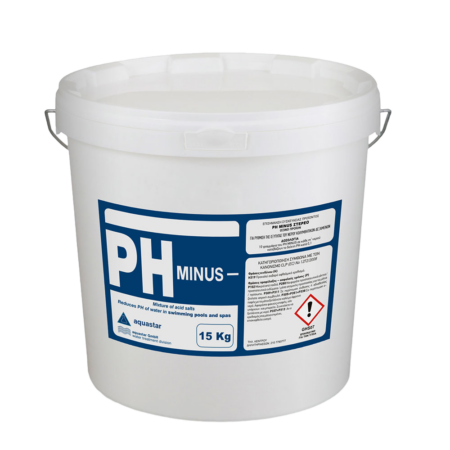
- pH Minus (Sodium Bisulfate): For precise pH adjustment, pH Minus brings high pH levels back to the ideal range.
- Algicide / Algicure: While Chlorine 90% controls algae, regular algaecide application provides additional prevention, particularly valuable during Kenya’s warm months.
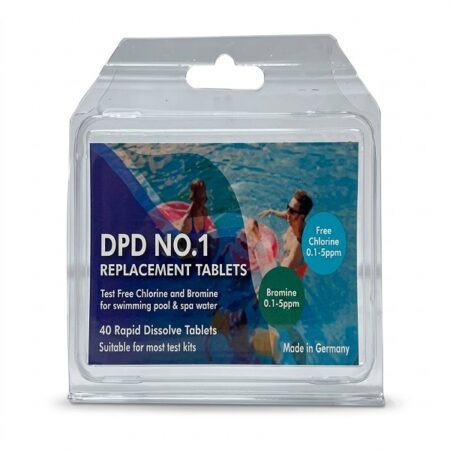
- DPD Tablets: Accurate chlorine testing is essential for proper tablet application. DPD tablets provide reliable measurements for free and combined chlorine.
- Chlorine 65% (Granular Shock): For superchlorination or shock treatment, unstabilized granular chlorine can provide powerful oxidation without adding additional cyanuric acid.
Buying Guide
How to Choose the Right Chlorine Product
- Consider Pool Location: Outdoor pools benefit from stabilized chlorine (Chlorine 90%) due to UV protection. Indoor pools may prefer unstabilized options.
- Evaluate Application Method: Tablet chlorination requires floating dispensers or automatic feeders. If these are not available, consider granular alternatives.
- Assess Maintenance Capacity: For facilities with limited chemical handling time, Chlorine 90% tablets reduce maintenance workload.
- Understand Your Chlorine Demand: High-bather-load pools may require more frequent tablet replacement. Monitor and adjust accordingly.
Common Mistakes to Avoid
- Overstabilization from continuous use without monitoring cyanuric acid levels
- Using tablets in skimmer baskets without proper supervision, leading to high chlorine concentrations during pump shutdown
- Mixing TCCA with other chemicals, particularly acids or calcium hypochlorite
- Storing tablets near humidity or incompatible substances
What Professionals Recommend
Professional pool operators typically:
- Use automatic feeders for consistent chlorination
- Monitor cyanuric acid levels monthly to prevent overstabilization
- Use unstabilized chlorine for shock treatment to avoid stabilizer accumulation
- Maintain complete water chemistry records to identify trends
When Expert Assistance Is Required
If you experience:
- Inability to maintain chlorine residual despite regular tablet use
- Cyanuric acid levels above 50 ppm
- Persistent algae or water quality issues
Contact Egret Swimming Pools for professional water chemistry assessment and treatment recommendations.
Chlorine 90%- FAQs
- What is Chlorine 90% used for?
Chlorine 90% is a stabilized swimming pool sanitizer containing Trichloroisocyanuric Acid (TCCA) used for continuous pool disinfection. Its slow-release formulation provides long-lasting protection against bacteria, viruses, and algae. - Is Chlorine 90% stabilized chlorine?
Chlorine 90% contains Trichloroisocyanuric Acid (TCCA), a stabilized chlorine compound that releases cyanuric acid during dissolution. This cyanuric acid protects chlorine from UV degradation, extending its effectiveness in sunlight. - How does Chlorine 90% differ from Chlorine 65%?
Chlorine 90% contains TCCA (90% available chlorine) and provides stabilized, slow-release disinfection for continuous chlorination. Chlorine 65% contains calcium hypochlorite (65% available chlorine) and is unstabilized, suitable for daily chlorination and shock treatment. - How should Chlorine 90% tablets be applied?
Tablets should be used with floating dispensers, automatic feeders, or skimmer baskets. Dispensing method affects dissolution rate and chlorine distribution. Always follow manufacturer instructions for your specific application equipment. - Does Chlorine 90% raise cyanuric acid levels?
Each tablet releases cyanuric acid during dissolution, which protects chlorine from UV degradation but accumulates over time. Monitor cyanuric acid levels monthly and maintain between 30–50 ppm. - Can Chlorine 90% be used for shock treatment?
Chlorine 90% is designed for continuous chlorination. For effective shock treatment, professional pool operators typically use unstabilized chlorine products (such as Chlorine 65% or sodium hypochlorite) to achieve rapid oxidation without raising cyanuric acid. - Is Chlorine 90% safe for all pool types?
Chlorine 90% is suitable for most pool types. However, continuous use may affect water balance. Regular monitoring of pH, alkalinity, and cyanuric acid levels is essential for proper water chemistry management. - Where can I buy Chlorine 90% in Kenya?
Egret Swimming Pools supplies Chlorine 90% and other swimming pool chemicals across Kenya. Contact us for expert guidance on selecting the right product for your pool requirements.
Chlorine 90% – Summary
Chlorine 90% is a stabilized swimming pool sanitizer containing Trichloroisocyanuric Acid (TCCA) with approximately 90% available chlorine. It provides long-lasting disinfection and sanitation through slow-release tablets, making it ideal for continuous chlorination in residential, commercial, hotel, and public pools across Kenya. The stabilized formula protects chlorine from UV degradation, maintaining effective sanitization even under Kenya’s intense sunlight. Its primary advantage is providing consistent, reliable chlorination with reduced maintenance effort, suitable for busy facility operators and pool maintenance professionals.
Need Reliable Pool Sanitization Solution in Kenya?
Egret Swimming Pools is your trusted partner for Chlorine 90% and comprehensive swimming pool chemical solutions across Kenya and East Africa. Our water chemistry experts understand the unique conditions affecting pools in our region, from intense UV exposure to high bather loads.
- For Residential Pool Owners: Enjoy simplified pool maintenance with reliable, long-lasting sanitization.
- For Commercial Facilities: Hotels, resorts, schools, and gyms benefit from consistent chlorine supply and expert technical advice.
- For Pool Maintenance Companies: Bulk supply options and professional support for your operations.
- For New Pool Projects: Complete chemical packages including startup chemicals and ongoing treatment solutions.
Contact Us:
- 📞Call/WhatsApp: +254726545148
- 📧Email: info@egretswimmingpools.co.ke | egreteswimmingpools@gmail.com
- 🏢Location: Next to Total Petrol Station Kihunguro, Thika Road, Kenya
- 🕐Working Hours: Mon – Sat 8:30AM–5PM
Contact Egret Swimming Pools today for expert advice on Chlorine 90% and complete pool chemical solutions.
Chlorine 90% is a Trichloroisocyanuric Acid (TCCA) swimming pool disinfectant used for pool water sanitization and continuous chlorination. Egret Swimming Pools supplies swimming pool treatment chemicals and pool maintenance solutions in Kenya.
Reviews
There are no reviews yet.