12 Steps To Building A Swimming Pool In Kenya- Step-by-Step Guide on how to Build a Swimming Pool in Kenya
Ever wanted to know how to construct a swimming pool? This step-by-step guide is for you. Building a swimming pool is a transformative project that adds value and luxury to your property. A swimming pool area is a place of relaxation that can also act as a great location to host parties in your home. This step-by-step guide will help you bring your swimming pool ownership to reality. Here are 12 steps to building a swimming pool in Kenya.
12 steps to building a swimming pool in Kenya: A comprehensive guide on how to build a swimming pool in Kenya
Building a swimming pool is an exciting venture that transforms your outdoor space into a personal oasis for relaxation, entertainment, and exercise. However, constructing a pool requires careful planning and precise execution to ensure the finished product is both functional and visually appealing. It also needs the right experts to handle the project so it comes out the way its supposed to be and serves its purpose. Here’s a detailed guide on the 12 steps to building a swimming pool in Kenya—your pathway to creating the ultimate backyard retreat.
- Step 1: Planning and Permits
Every successful swimming pool project begins with meticulous planning. Consider factors such as the pool’s size, shape, depth, and purpose. Are you envisioning a family-friendly pool with a shallow end, or a sleek lap pool for fitness? Your design choices should align with your lifestyle and the space available.
Equally important is obtaining the necessary permits. Research local zoning regulations, building codes, and safety requirements. This step may involve submitting plans to your local authority or homeowner’s association. Starting with proper approvals ensures compliance and prevents potential legal issues down the road. - Step 2: Excavation
Once the planning phase is complete, excavation begins. This involves digging out the designated area to match your pool’s design and dimensions. Precision is key here; uneven excavation can lead to structural issues later.
Hire a professional excavation team to avoid complications, particularly if your property has unique challenges like rocky terrain or a sloping yard. Proper excavation sets the stage for a sturdy and durable swimming pool. - Step 3: Reinforcement and Formwork

To fortify the pool structure, steel reinforcement is installed. This step involves placing a steel grid across the excavated area, ensuring the pool can withstand the pressure of water and environmental forces.
Next, formwork is set up to shape the pool’s contours. These temporary molds guide the concrete pouring process and ensure the final structure adheres to your design specifications. Careful preparation at this stage ensures a strong and lasting pool framework. - Step 4: Concrete Pouring
Concrete forms the backbone of your swimming pool, making this step crucial for structural integrity. The concrete is poured into the prepared formwork and reinforced steel grid, creating a robust base.
Choosing high-quality concrete and employing expert pouring techniques are essential. After pouring, the concrete is allowed to cure, which can take several days. This curing period ensures the structure achieves maximum strength and durability. - Step 5: Plumbing and Electrical Work
With the pool’s shell complete, it’s time to install the plumbing and electrical systems. This involves laying pipes for water circulation, drainage, and filtration. If you plan to include features like fountains, waterfalls, or hot tubs, additional plumbing will be required.
Electrical work includes wiring for pumps, lighting, and heaters. It’s vital to hire licensed professionals for this step to ensure safety and compliance with local codes. - Step 6: Tile and Coping Installation
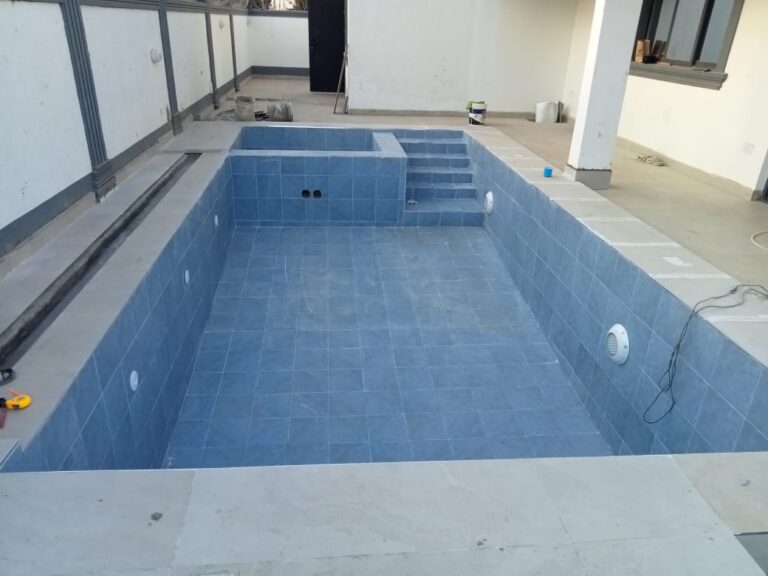
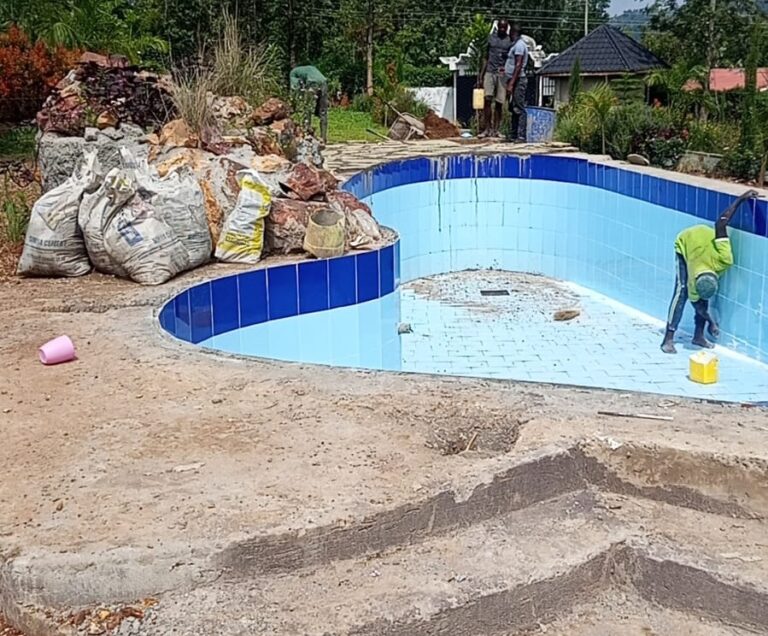
Tiles and coping add both style and functionality to your pool. Tiles are typically installed along the waterline, providing a clean and visually appealing finish. Coping—material installed around the pool’s edge—creates a smooth transition between the pool and the surrounding deck.
Choose materials that complement your overall design while ensuring durability against water, sun, and chemicals. - Step 7: Installation of Pool Equipment
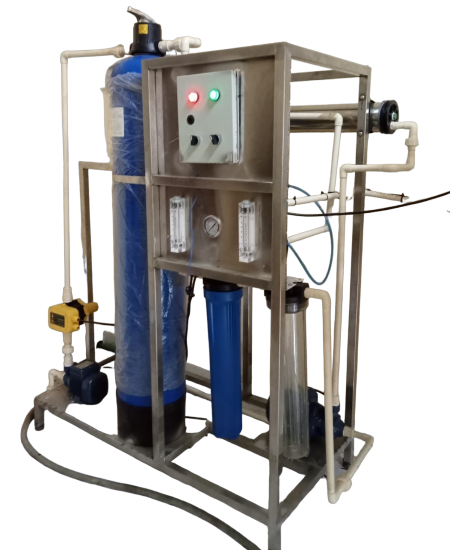
Next, install the essential equipment that keeps your pool running smoothly. This includes the filtration system, pumps, and heaters. Proper installation is critical to maintaining water quality and ensuring efficient operation.
Test all equipment thoroughly before moving to the next step to address any potential issues early.

- Step 8: Deck Construction
The pool deck is where functionality meets aesthetics. This area provides space for lounging, socializing, or simply admiring your pool. Materials such as concrete, natural stone, pavers, or wood can be used, depending on your design preferences.
The deck should blend seamlessly with the pool while being slip-resistant and durable. Proper planning here enhances the usability and visual appeal of your pool area. - Step 9: Final Grading and Landscaping
Final grading shapes the surrounding landscape to ensure proper drainage, preventing water from pooling around the pool. This step protects your investment by reducing the risk of flooding or soil erosion.
Enhance the ambiance with landscaping elements such as plants, rocks, and lighting. Thoughtful landscaping integrates your pool with the rest of your property, creating a harmonious outdoor space. - Step 10: Fill and Start-Up
The moment you’ve been waiting for—filling the pool with water! Once filled, chemical balancing begins to ensure the water is clean, safe, and ready for use. This involves testing and adjusting pH levels, alkalinity, and chlorine content.
The start-up process also includes activating and testing all equipment, from pumps to heaters, to ensure everything functions as expected. This marks the transition from construction to enjoyment. - Step 11: Safety Measures

Safety is paramount when owning a swimming pool. Install fencing, alarms, and pool covers to prevent accidents, especially if children or pets are around. These features provide peace of mind and may also be required by local regulations.
Consider additional safety measures, such as anti-slip surfaces on the deck or professional lifeguard services for larger gatherings. - Step 12: Regular Maintenance Routine
A swimming pool is an ongoing commitment, and proper maintenance is essential to its longevity. Regular cleaning, chemical adjustments, and equipment inspections keep your pool in peak condition.
Establish a weekly maintenance routine or hire a professional service to handle the upkeep. Consistent care ensures your pool remains a source of joy for years to come.
12 steps to building a swimming pool in Kenya: Conclusion
Constructing a swimming pool is a rewarding endeavor, but it requires careful planning and execution. By following these 12 steps to building a swimming pool in Kenya, you can create a functional and beautiful addition to your home that offers endless enjoyment. Whether you tackle this project yourself or enlist professionals, the journey is well worth the result.
 Ready to get started on your dream pool? Use this step-by-step guide as your trusted blueprint for success.
Contact us if you need a swimming pool construction expert to build your pool
Constructing a good swimming pool that meets all the quality standards and serves its purpose for many years after construction requires expertise and professionalism. At Egret Swimming Pools, we are experts in constructing swimming pools of all sizes and use. We are also experts on constructing different types of pools at affordable prices. If therefore you need experts who can build for you your dream pool, no need to look further. Get in touch with us today.
Use any of the following means to get in touch with us today:
- Phone call: You can call us at +254726545148 and speak to one of our friendly representatives.
- WhatsApp: You can send us a WhatsApp message at +254726545148 and we will reply as soon as possible.
- Email: You can email us at
- info@egretswimmingpools.co.ke | egreteswimmingpools@gmail.com and we will get back to you within 24 hours.
- Comment form: You can leave a comment in the comment form below this post and we will respond to you shortly.
- Contact us form: You can fill out the contact us form here and we will contact you within 24 hours.
- Visit us: We are located at Kihunguro behind shell petrol station Kihunguro Thika road. See Google map location.
We look forward to building a world-class swimming pool for you that you will be proud to own.
Frequently Asked Questions: Building a Swimming Pool in Kenya
Top 5 General Expert Questions
- What is the average cost of building a standard residential swimming pool in Kenya? The cost of building a standard residential pool in Kenya typically ranges from KSh 1.5 million to KSh 3.5 million for a medium-sized (5x10m) concrete pool. These figures vary significantly based on the choice of finish, such as mosaic tiles versus specialized waterproof paint, and the complexity of the filtration system. Additionally, site-specific factors like soil stability and the local cost of water for the initial filling will influence your final project budget.
- Which type of swimming pool is most suitable for the Kenyan climate? Reinforced concrete pools are the most popular choice in Kenya because they offer superior durability and can withstand the diverse soil conditions found in regions like Nairobi or the Coast. While fiberglass pools offer a quicker installation time, concrete allows for complete customization in shape and depth to perfectly fit your compound. For those in cooler highland areas, we highly recommend integrating solar heating systems during the construction phase to ensure the pool remains usable year-round.
- How do I choose the best location for a pool on my property? The ideal location should maximize sunlight exposure, particularly the afternoon sun, to help maintain a comfortable water temperature naturally. You must also consider the proximity to underground utility lines and ensure the site is at a safe distance from large trees whose roots could damage the pool shell or whose leaves could clog the filters. Our team also evaluates the “wind-break” potential of your home’s architecture to minimize heat loss and debris accumulation.
- What maintenance is required once the pool construction is complete? A newly constructed pool requires a consistent maintenance schedule that includes weekly vacuuming, cleaning of skimmer baskets, and balancing water chemistry to prevent algae growth. It is essential to run the filtration pump for at least 6 to 8 hours daily to ensure the water remains clear and sanitary for swimmers. We also advise a professional equipment inspection every six months to check the pump’s efficiency and the integrity of the sand filter.
- Do I need a permit to build a swimming pool in Kenya? Yes, constructing a swimming pool is considered a permanent structural addition and requires approval from your respective County Government’s planning department. You will typically need to submit architectural drawings and structural engineering plans to ensure the design meets safety and drainage standards. Obtaining these permits before excavation begins is crucial to avoid legal penalties and ensure your property remains compliant with local building codes.
“People Also Ask” – Top 5 Trending Questions
- How long does it take to complete a swimming pool construction project? A standard concrete pool construction project in Kenya generally takes between 8 to 12 weeks from the initial excavation to the final handover. This timeline accounts for the “curing” period of the concrete shell, which is a vital step to ensure structural integrity and prevent future leaks. Factors such as weather conditions—especially during the rainy season—and the speed of local authority permit approvals can also impact the total duration.
- Can I build a swimming pool in a small backyard or compound? Absolutely, modern design techniques allow for “plunge pools” or “lap pools” that are specifically engineered to fit into compact urban spaces without sacrificing style. By utilizing clever landscaping and vertical water features, a small pool can become a stunning focal point even on a limited plot of land. We customize the dimensions and filtration equipment to ensure high performance even in space-constrained environments.
- What is the difference between a skimmer pool and an overflow (deck-level) pool? A skimmer pool maintains a water level about 10-15cm below the edge, using suction points to pull debris into a basket, making it a cost-effective and popular residential choice. In contrast, an overflow pool features water that sits flush with the deck, spilling into a perimeter channel to create a “glass-like” surface and superior water circulation. While overflow pools are more expensive due to the additional balance tank required, they offer a high-end, luxury aesthetic often seen in five-star hotels.
- Are saltwater pools better than traditional chlorine pools? Saltwater pools are becoming increasingly popular because they use a salt-chlorine generator to create a gentler form of sanitization that is easier on the skin and eyes. While the initial investment in the saltwater cell equipment is higher, the long-term cost of chemicals is often lower than buying traditional chlorine tablets. Many homeowners prefer this option because it eliminates the harsh chemical smell and provides a more natural swimming experience.
- How can I make my swimming pool more energy-efficient? To reduce running costs, you should consider installing a variable-speed pump which uses significantly less electricity than standard single-speed models. Integrating a solar pool heater is another excellent way to utilize Kenya’s abundant sunshine to keep your pool warm at zero additional monthly cost. Finally, using a pool cover when the water is not in use can reduce evaporation by up to 90% and help retain heat overnight.