
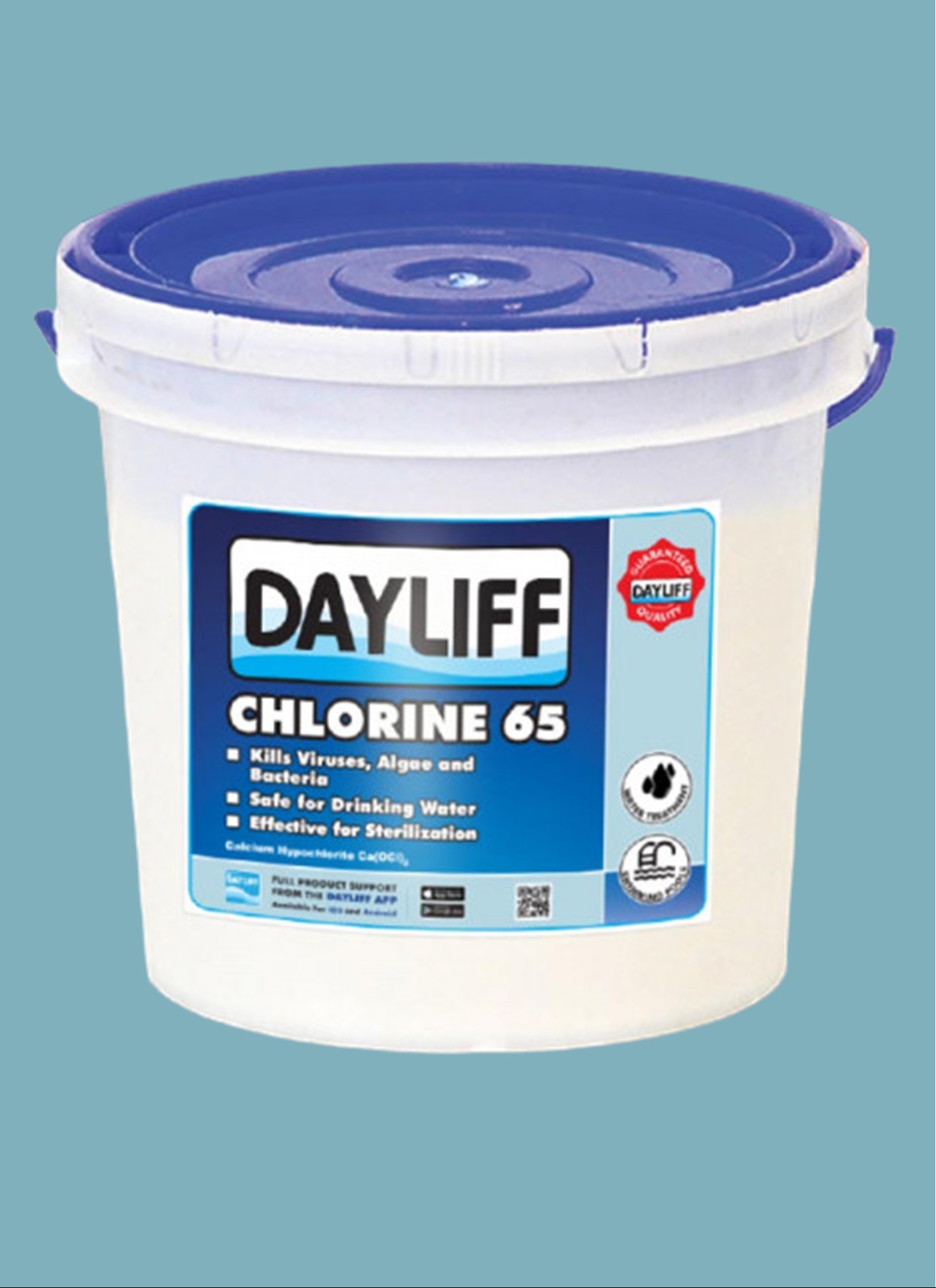
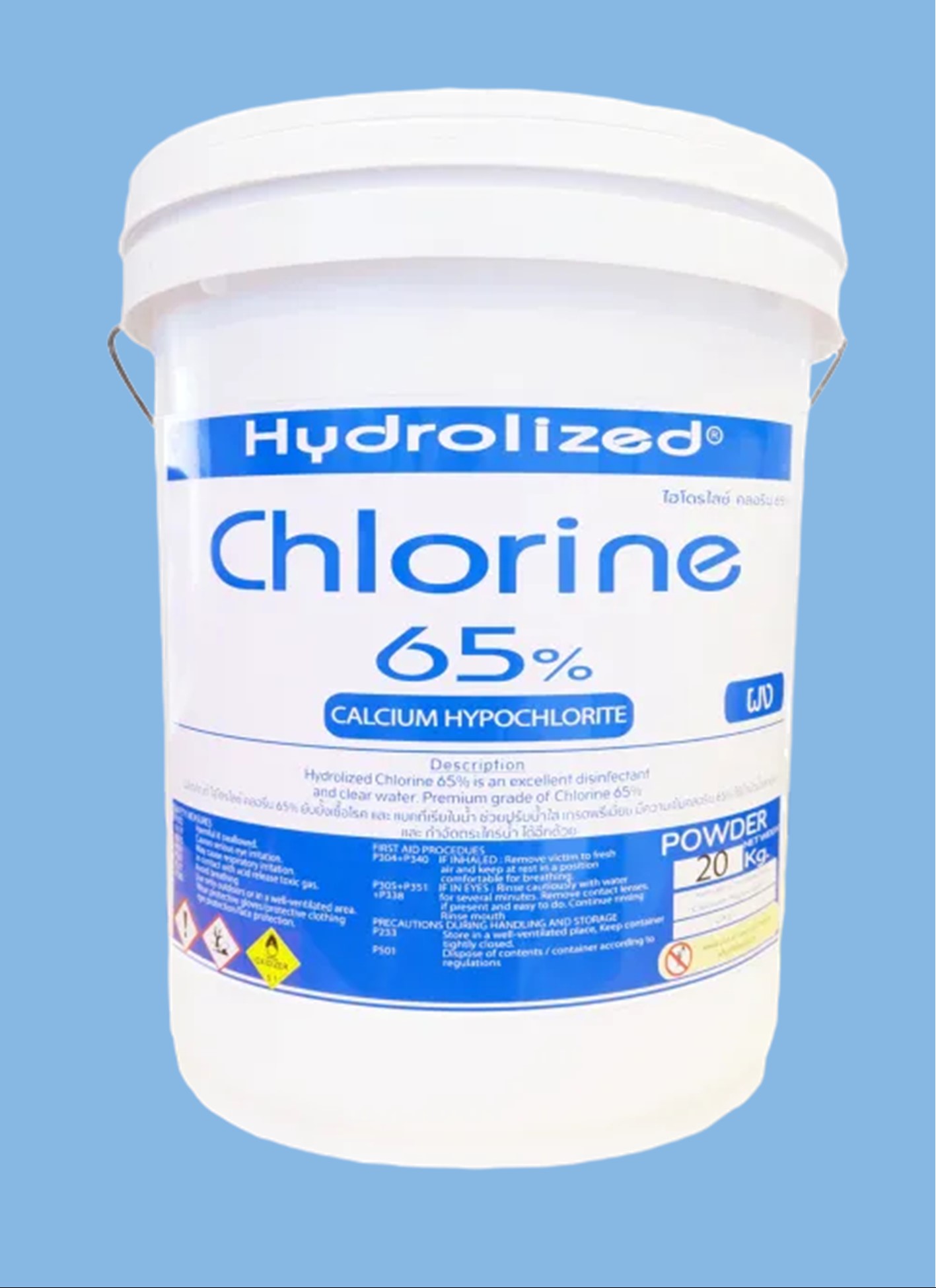
Chlorine 65- 1Kg
KSh 500.00
What Is Chlorine 65%?
Chlorine 65% is a granular calcium hypochlorite-based swimming pool disinfectant that delivers powerful and effective sanitization for residential, commercial, and hotel pools across Kenya. Containing approximately 65% available chlorine, this fast-acting compound rapidly eliminates bacteria, viruses, and algae that compromise swimmer safety and water quality. The calcium hypochlorite formula dissolves quickly in water, making it ideal for both routine daily chlorination and intensive shock treatments that restore pool clarity.
Verified Technical Specifications
| Specification | Verified Information |
| Chemical Formula | Ca(OCl)₂ |
| Active Ingredient | Calcium Hypochlorite |
| Available Chlorine Content | 65% by weight |
| Appearance | Granular solid |
| Chemical Category | Disinfection and Sanitation Chemicals |
Note: Packaging sizes and full physical specifications are not provided in the supplied reference material.
Who Should Use It?
This pool chemical is recommended for private homeowners, hotel managers, school pool operators, property maintenance companies, and commercial facility managers requiring reliable pool disinfection. Its versatility and effectiveness make it a staple in professional pool maintenance programs.
Why Choose It?
Chlorine 65% offers superior sanitizing power without adding cyanuric acid to your pool water, preventing overstabilization issues common with stabilized chlorine products. As a source of unstabilized chlorine, it provides flexibility in managing your pool’s chemical balance.
Why Buy From Egret Swimming Pools?
Egret Swimming Pools is a trusted supplier of swimming pool chemicals in Kenya, offering professional-grade pool treatment solutions backed by water chemistry expertise. Contact us for expert guidance on optimal chemical application for your specific pool requirements.
Contact us
- 📞Call/WhatsApp: +254726545148
- 📧Email: info@egretswimmingpools.co.ke | egreteswimmingpools@gmail.com
- 🏢Location: Next to Total Petrol Station Kihunguro, Thika Road, Kenya
- 🕐Working Hours: Mon – Sat 8:30AM–5PM
Contact Egret Swimming Pools today for expert advice on Chlorine 65% and complete pool chemical solutions.
Description
Chlorine 65% Kenya – Calcium Hypochlorite Pool Sanitizer
Product Data
| Product Name | Chlorine 65% |
| Chemical Category | Disinfection and Sanitation Chemicals |
| Active Ingredient | Calcium Hypochlorite (Ca(OCl)₂) |
| Chemical Formula | Ca(OCl)₂ |
| Alternative Names | Cal Hypo, Granular Chlorine, Shock Chlorine |
| Primary Purpose | Sanitizes pool water by killing bacteria, viruses, and algae |
| Typical Usage | Daily chlorination and shock treatment |
Chlorine 65% – Product Overview
Chlorine 65% is a swimming pool water treatment chemical containing calcium hypochlorite as its active ingredient. Calcium hypochlorite, with the chemical formula Ca(OCl)₂, is a white to pale yellow crystalline solid that serves as one of the most widely used pool disinfectants globally. The “65%” designation indicates the percentage of available chlorine content by weight, making it a highly concentrated sanitizer product.
In swimming pool water treatment, calcium hypochlorite has been used for decades as a reliable and cost-effective disinfection solution. When added to water, it dissolves and releases hypochlorous acid (HOCl) and hypochlorite ions (OCl⁻), the active agents responsible for destroying pathogens and oxidizing organic contaminants. This chemical reaction forms the foundation of pool water sanitization.
Calcium hypochlorite is produced through the reaction of chlorine with calcium hydroxide. The resulting compound is relatively stable under proper storage conditions, though it gradually loses strength over time when exposed to moisture or atmospheric conditions.
Industry Relevance
Within the swimming pool industry, Chlorine 65% occupies a critical position. Professional pool operators, hotel maintenance teams, and pool service companies rely on this chemical for its powerful oxidizing properties, rapid action, and versatility. The product is particularly relevant for commercial pool operations where maintaining consistently safe water quality is both a health and regulatory requirement.
How It Works
Chemical Mechanism of Action
When Chlorine 65% granular calcium hypochlorite is added to pool water, it undergoes dissolution and chemical dissociation:
Ca(OCl)₂ + 2H₂O → 2HOCl + Ca(OH)₂
The hypochlorous acid (HOCl) formed is the primary active disinfectant. It dissociates partially into hypochlorite ions (OCl⁻), depending on water pH and temperature:
HOCl ⇌ H⁺ + OCl⁻
The relative distribution between HOCl and OCl⁻ is pH-dependent, with hypochlorous acid being the more effective disinfectant. This is why maintaining appropriate pool pH (ideally 7.2–7.6) is essential for maximum disinfection efficacy.
Sanitization Process
The hypochlorous acid and hypochlorite ions work through several mechanisms:
- Cell Wall Penetration: Active chlorine species penetrate the cell walls of bacteria and algae.
- Enzyme Disruption: They disrupt essential enzymes within microorganisms, halting metabolic processes.
- DNA/RNA Damage: The oxidative action damages genetic material, preventing reproduction.
- Oxidation of Organics: Chlorine oxidizes organic contaminants including body oils, sweat, urine, and debris introduced by swimmers.
The chlorine demand created by these contaminants must be satisfied before residual chlorine becomes available for ongoing disinfection. This is why consistent chlorination is necessary, particularly in high-bather-load pools common in hotels and resorts across East Africa.
Why It Matters
- Health Protection
Chlorine 65% provides essential protection against waterborne pathogens that pose serious health risks to swimmers. Inadequately chlorinated pool water can harbor bacteria such as E. coli and Pseudomonas aeruginosa, as well as viruses and parasites. The Centers for Disease Control and Prevention and other public health authorities recognize proper chlorination as the most important barrier against recreational water illness. - Water Sanitation
Beyond pathogen control, active chlorine oxidizes organic matter that can cause cloudy water, unpleasant odors, and unsanitary conditions. The oxidation process breaks down contaminants that contribute to combined chlorine compounds, which are responsible for the strong chlorine smell often mistaken for over-chlorination. - Swimmer Comfort
Well-sanitized pool water is more comfortable for swimmers. Proper chlorination reduces eye and skin irritation by controlling bacterial populations and minimizing chloramine formation. Professional pool operators understand that swimmer comfort directly impacts guest satisfaction in hotels and resorts. - Pool Longevity
Effective sanitization protects pool surfaces, equipment, and plumbing from biological fouling and algae growth. Regular chlorination prevents algae establishment on walls and floors, reducing the need for aggressive cleaning and extending the life of pool finishes and components. - Regulatory Compliance
Commercial pool operators in Kenya must maintain water quality standards that ensure public safety. Professional facilities, hotels, and schools using Chlorine 65% can more readily achieve and document compliance with free chlorine residual requirements and other water quality parameters.
Key Benefits
- High Available Chlorine Content
Chlorine 65% delivers approximately 65% available chlorine by weight, providing concentrated disinfecting power. This means less product is required to achieve effective sanitization compared to lower-strength alternatives, representing cost savings for pool operators. - Versatility in Application
The granular formulation supports both routine daily chlorination and shock treatment applications. For daily maintenance, smaller doses maintain residual chlorine levels. For shock treatment, higher doses rapidly oxidize contaminants, restore clarity, and eliminate algae. - Unstabilized Chlorine Advantage
Unlike stabilized chlorine products such as trichloroisocyanuric acid, Chlorine 65% does not add cyanuric acid to pool water. This prevents overstabilization, a common problem where excessive cyanuric acid reduces chlorine effectiveness and can lead to “chlorine lock.” - Fast-Acting Performance
Calcium hypochlorite dissolves quickly in water, rapidly releasing active chlorine. This rapid action is particularly beneficial for shock treatment situations where immediate sanitization is required, such as following heavy rainfall, high bather loads, or visible algae blooms. - Broad-Spectrum Antimicrobial Activity
Chlorine 65% effectively destroys bacteria, viruses, fungi, and algae. This comprehensive antimicrobial spectrum ensures all common swimming pool contaminants are addressed, maintaining water quality and safety.
Problem-Solution Table
| Problem | Likely Cause | How Product Helps | Expected Outcome |
| Green pool water | Algae growth from insufficient chlorine | Shock treatment with Chlorine 65% rapidly kills algae | Clear, algae-free water within 24–48 hours |
| Cloudy water | Organic contaminants and suspended particles | Oxidation breaks down organic matter causing turbidity | Crystal clear water restored |
| High bacteria levels | Inadequate chlorine residual | Provides rapid bactericidal action | Safe, bacteria-free swimming environment |
| Poor chlorine performance | Chlorine demand from high contamination | Shock dosage satisfies chlorine demand | Effective residual chlorine reestablished |
| Eye irritation | Chloramine formation from insufficient free chlorine | Breakpoint chlorination eliminates combined chlorine | Comfortable swimming conditions restored |
| Strong chlorine odor | Combined chlorine compounds | Oxidation of chloramines eliminates odor | Fresh, clean-smelling pool water |
| Algae on walls/floors | Algae establishment in low-chlorine areas | Direct application and circulation reaches affected areas | Algae eliminated, surfaces clean |
Application Guidance
Important Note on Dosages
Dosage requirements vary depending on manufacturer specifications, pool volume, contaminant load, water chemistry, bather load, environmental conditions, and treatment objectives. Always follow product label instructions and professional water test results.
General Industry Guidance
Based on general swimming pool industry knowledge, calcium hypochlorite is commonly applied in the following categories:
- Routine Chlorination: Regular small doses to maintain a free chlorine residual of 1–4 ppm (mg/L) in the pool water.
- Shock Treatment: Higher doses applied to rapidly oxidize contaminants, eliminate algae, and achieve breakpoint chlorination, often applied in the evening to minimize UV loss.
- Pool Start-Up: Initial chlorination of newly filled pools to establish appropriate chlorine levels.
These are general industry practices and should not be interpreted as product-specific dosage recommendations.
Step-by-Step Application Guide
Before Treatment
- Test Water Chemistry: Test pH, total alkalinity, calcium hardness, and current chlorine levels using a reliable pool test kit such as DPD tablets.
- Adjust pH: For maximum chlorine effectiveness, adjust pH to the ideal range (7.2–7.6) using pH Plus or pH Minus as required.
- Calculate Pool Volume: Determine the pool’s volume in liters to guide treatment quantity. For commercial pools, refer to capacity specifications provided by the pool builder or design documents.
During Treatment
- Pre-Dissolve the Product: Dissolve the measured amount of Chlorine 65% in a clean plastic bucket of pool water. Never add water to chlorine; always add chlorine to water to prevent violent reactions.
- Circulate and Apply: With the filtration system running, slowly pour the dissolved solution into the pool, distributing it across the deep end or directly into the skimmer.
- Brush Surfaces: If treating algae, brush pool walls and floors to allow the chlorine to contact affected areas.
After Treatment
- Allow Circulation: Run the filtration system continuously for several hours after treatment to ensure even distribution and complete dissolution.
- Retest: Test chlorine levels 4–6 hours after treatment to confirm desired residual has been achieved.
- Wait Before Swimming: Follow product label instructions regarding safe swimming intervals after chemical application.
Kenya & East Africa Usage Guide
Tropical Climate Considerations
Kenya’s tropical climate creates specific challenges for pool water treatment that influence chlorine requirements:
UV Exposure
High UV radiation levels in Kenya accelerate chlorine degradation. Unstabilized chlorine like Chlorine 65% is particularly vulnerable to sunlight, which can reduce chlorine residual by up to 90% within a few hours. This is why professional operators in Kenya often:
- Apply routine chlorination in the evening to minimize UV loss
- Consider using chlorine stabilizers (cyanuric acid) in conjunction with Chlorine 65% to protect residual chlorine from UV degradation
- Test chlorine levels more frequently during sunny periods
Rainy Seasons
Kenya’s rainy seasons introduce several challenges. Rainwater can:
- Dilute chlorine levels
- Introduce contaminants and organic matter
- Affect water balance parameters
Professional operators often increase chlorination or apply shock treatment following heavy rainfall to compensate for dilution and additional chlorine demand.
Dust and Contamination
Particularly in dry areas, dust and airborne debris contribute organic load that consumes chlorine. This is especially relevant for:
- Pools in arid and semi-arid regions
- Pools near unpaved roads or construction sites
Hotel and Resort Pools
Kenya’s hospitality sector, including coastal resorts, safari lodges, and Nairobi hotels, relies on impeccable pool water quality. High bather loads typical of hotel pools create elevated chlorine demand requiring:
- Daily monitoring and adjustment
- Regular shock treatment
- Professional water testing
Commercial Pool Operations
Institutions such as schools, universities, apartments, and gyms across Kenya benefit from the reliable disinfection provided by Chlorine 65%. Facilities requiring robust, cost-effective sanitization find calcium hypochlorite-based treatment suitable for:
- High-usage pools
- Pools with variable bather loads
- Facilities requiring documented water quality compliance
Commercial Applications
- Hotels and Resorts: Guest satisfaction and health compliance demand consistently safe, clear pool water. Chlorine 65% provides reliable sanitization that meets both expectations.
- Schools and Universities: Institutional pools require cost-effective, straightforward treatment that can be managed by maintenance staff.
- Hospitals and Health Facilities: Rehabilitation and therapy pools require the highest standards of water hygiene, making effective chlorination essential.
- Gyms and Health Clubs: High usage and frequent bather turnover require robust chlorination to maintain water quality.
- Property Management Companies: Managed residential estates and apartment complexes benefit from a standardized, reliable pool chemical.
- Pool Maintenance Companies: Professional service providers depend on proven products for consistent results across diverse client pools.
Residential Applications
- Private Homes: Kenyan homeowners investing in swimming pools require accessible, effective pool chemicals.
- Holiday and Rental Properties: Airbnb, VRBO, and holiday rental properties need reliable pool treatment that minimizes guest complaints and maintenance issues.
- Residential Estates: Gated communities and residential developments can implement standardized pool treatment protocols for consistent results.
Safety & Handling
Personal Protective Equipment (PPE)
When handling Chlorine 65%, always wear appropriate protective equipment:
- Safety goggles or chemical splash goggles
- Chemical-resistant gloves
- Dust mask or respirator
- Protective clothing covering exposed skin
Storage Requirements
Store Chlorine 65% in accordance with industry best practices:
- Keep in a cool, dry, well-ventilated area away from direct sunlight
- Store away from moisture and incompatible substances
- Keep containers tightly sealed when not in use
- Store separately from acids, ammonia, and other incompatible materials
- Store away from mechanical equipment, paint, gasoline, and volatile materials
Mixing Precautions
Never mix Chlorine 65% with other chemicals:
- Do not mix with acids, detergents, or ammonia – this can release toxic chlorine gas
- Never mix with other pool chemicals directly
- Always read product labels before mixing or combining chemicals
Spill Response
For small spills:
- Ventilate the area
- Avoid creating dust
- Use appropriate PPE
- Collect and contain the material
- Dispose of according to local regulations
First Aid
If exposed:
- Inhalation: Move to fresh air. Seek medical attention if breathing difficulty occurs.
- Eye contact: Rinse thoroughly with water for at least 15 minutes. Seek medical attention.
- Skin contact: Remove contaminated clothing and wash with soap and water.
- Ingestion: Do not induce vomiting. Seek immediate medical attention.
Environmental Considerations
Dispose of empty chemical containers and unused product according to local environmental regulations. Follow all safety, health, and environmental codes regarding chemical disposal. Avoid allowing concentrated product to enter storm drains or natural waterways.
Product Comparison
| Feature | Chlorine 65% | Chlorine 90% |
| Active Ingredient | Calcium Hypochlorite (Ca(OCl)₂) | Trichloroisocyanuric Acid (TCCA) |
| Available Chlorine | 65% | 90% |
| Primary Purpose | Daily chlorination and shock treatment | Long-lasting disinfection and sanitation |
| Typical Usage | Routine chlorination and shock treatment | Continuous chlorination |
| Chlorine Stability | Unstabilized; susceptible to UV degradation | Stabilized; longer-lasting |
Cross-Selling Recommendations
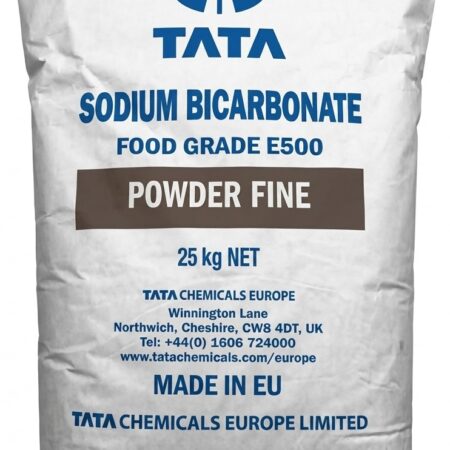
- pH Plus (Sodium Carbonate): Calcium hypochlorite tends to raise pool pH. pH Plus helps maintain proper pH balance.
- pH Minus (Sodium Bisulfate): For precise pH adjustment when chlorine treatment pushes pH too high, pH Minus brings levels back into range.
- Algicide / Algicure: While Chlorine 65% controls algae, regular algaecide application provides prevention, especially in high-temperature conditions common in Kenya.
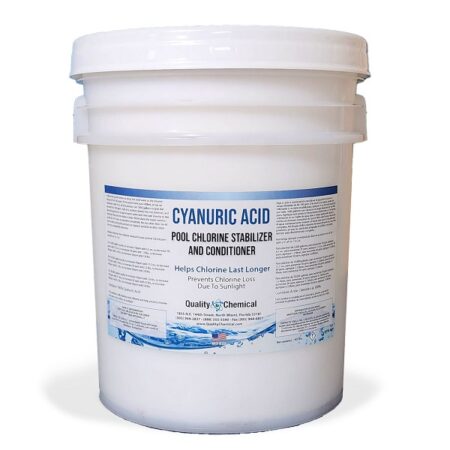
- Cyanuric Acid: For pools in high UV environments, cyanuric acid stabilizes chlorine, reducing degradation from sunlight.
- DPD Tablets: Regular chlorine testing ensures treatment effectiveness. DPD tablets provide accurate chlorine readings for proper adjustment.
Buying Guide
How to Choose the Right Chlorine Product
- Consider Pool Type: Commercial pools with high bather loads often benefit from the rapid action of granular calcium hypochlorite. Residential pools may suit either granule or tablet forms.
- Evaluate Sun Exposure: Unstabilized chlorine like Chlorine 65% degrades faster in sunlight. Pools with high UV exposure may require cyanuric acid stabilizer.
- Assess Application Methods: Granular chlorine requires pre-dissolving before application, while tablets can be used in dispensers. Choose the method suited to your maintenance routine.
Common Mistakes to Avoid
- Adding chlorine directly to the pool without pre-dissolving
- Mixing calcium hypochlorite with other chemicals
- Adding chemicals during midday sun
- Not testing water chemistry before treatment
What Professionals Recommend
Professional pool operators typically:
- Test water daily
- Maintain consistent chlorine residual rather than relying on occasional shock treatments
- Adjust chemical application based on bather load and environmental conditions
When Expert Assistance Is Required
If you experience:
- Persistent algae despite treatment
- Inability to maintain chlorine residual
- Unusual water conditions or discoloration
Chlorine 65% – Summary
Chlorine 65% is a calcium hypochlorite-based granular pool disinfectant used to sanitize swimming pool water by eliminating harmful bacteria, viruses, and algae. It contains approximately 65% available chlorine and serves dual purposes: routine daily chlorination to maintain safe water quality and shock treatment to rapidly oxidize contaminants. This pool sanitizer is suitable for residential, commercial, hotel, school, and public pools across Kenya. Its primary advantage is providing powerful, unstabilized chlorine that does not add cyanuric acid, offering flexibility in water chemistry management.
Contact Egret Swimming Pools for professional guidance. Our water treatment specialists can assess your pool’s specific requirements.
Chlorine 65- FAQs
- What is Chlorine 65% used for?
Chlorine 65% is a swimming pool sanitizer that kills bacteria, viruses, and algae in pool water. It is used for routine daily chlorination to maintain safe water quality and for shock treatment to rapidly oxidize contaminants. - Is Chlorine 65% the same as shock chlorine?
Chlorine 65% can serve both as daily chlorination and shock chlorine. For shock treatment, a higher dose is applied to rapidly oxidize contaminants, achieve breakpoint chlorination, and restore water clarity. - How much Chlorine 65% should I add to my pool?
Dosage varies by manufacturer specifications, pool volume, and water conditions. Always follow product label instructions and professional water test results. Dosage requirements differ for routine chlorination versus shock treatment. - Does Chlorine 65% contain cyanuric acid?
Chlorine 65% calcium hypochlorite does not contain cyanuric acid. This is an advantage for preventing overstabilization and chlorine lock, which can occur with stabilized chlorine products. - Can I use Chlorine 65% in a saltwater pool?
Calcium hypochlorite is compatible with most pool types. However, calcium content may affect water hardness over time. Regular testing and professional guidance are recommended for saltwater systems. - Why does my pool smell strongly of chlorine?
Strong chlorine odor usually indicates combined chlorine (chloramines) rather than high free chlorine. This occurs when chlorine reacts with nitrogen compounds and is often resolved by shock treatment. - When should I shock my pool?
Shock when water becomes cloudy, after heavy rainfall, following high bather loads, visible algae appears, or when combined chlorine levels are elevated. Professional operators often shock weekly or bi-weekly. - How should I store Chlorine 65%?
Store in a cool, dry, well-ventilated place away from direct sunlight, moisture, and incompatible substances. Keep containers tightly sealed and separate from acids, ammonia, and other pool chemicals. - What safety equipment is needed when handling Chlorine 65%?
Wear safety goggles, chemical-resistant gloves, and a dust mask. Avoid inhaling dust and prevent skin contact. Always add chlorine to water, never water to chlorine. - Where can I buy Chlorine 65% in Kenya?
Egret Swimming Pools supplies Chlorine 65% and other swimming pool chemicals across Kenya. Contact us by phone or WhatsApp at +254726545148 for expert guidance and product inquiries.
In the Market for the Best Quality and Effective Pool Chlorine in Kenya?
Egret Swimming Pools is your trusted partner for swimming pool chemicals and water treatment solutions across Kenya and East Africa. Our water chemistry experts understand the unique conditions affecting pools in our region, from high UV exposure and rainy seasons to varying water quality.
- For Residential Pool Owners: Get reliable, professional-grade chlorine 65% for clear, safe swimming water. Simple application, proven results.
- For Commercial Facilities: Hotels, resorts, schools, and gyms benefit from consistent chlorine supply and expert technical advice for maintaining water quality standards.
- For Pool Maintenance Companies: Bulk supply options and professional support for your operations.
- For New Pool Projects: Complete chemical packages including startup chemicals and ongoing treatment solutions.
Contact us
- 📞Call/WhatsApp: +254726545148
- 📧Email: info@egretswimmingpools.co.ke | egreteswimmingpools@gmail.com
- 🏢Location: Next to Total Petrol Station Kihunguro, Thika Road, Kenya
- 🕐Working Hours: Mon – Sat 8:30AM–5PM
Contact Egret Swimming Pools today for expert advice on Chlorine 65% and complete pool chemical solutions.
Reviews
There are no reviews yet.