
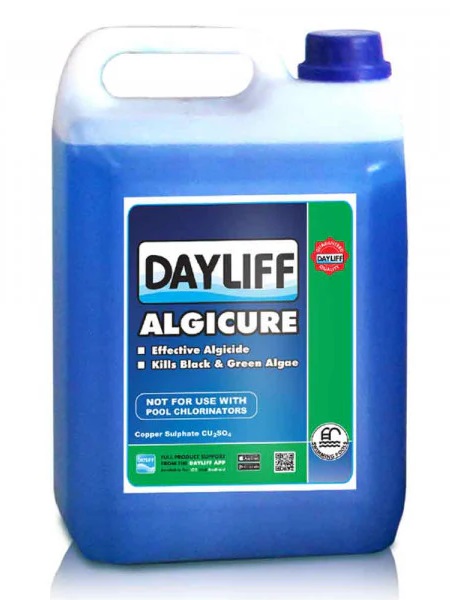
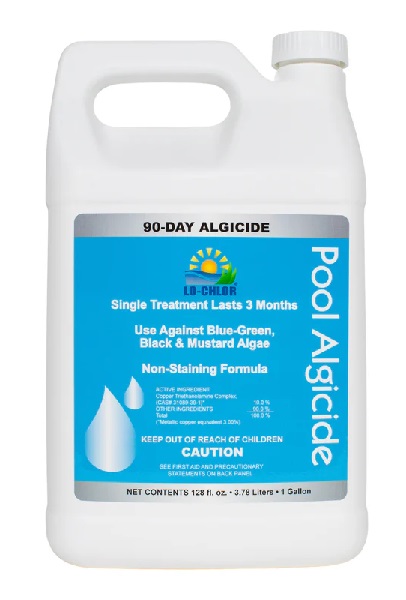
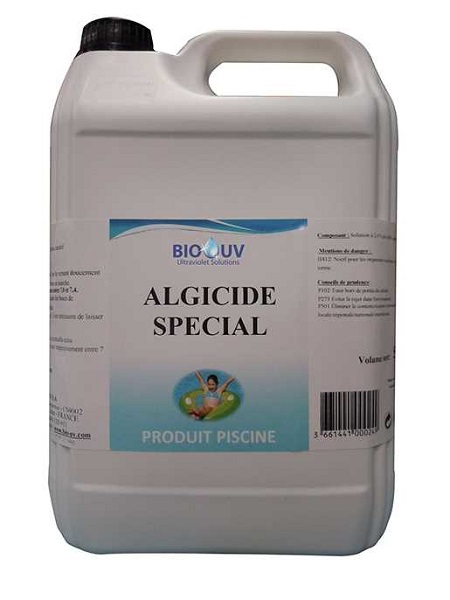
Algicide- 5Ltrs
KSh 1,200.00
Algicide / Algicure
Algicide is a specialized pool algaecide that prevents and destroys algae growth in swimming pools. Effective against green, yellow/mustard, and black algae, this weekly treatment works alongside chlorine to maintain crystal-clear water. Ideal for residential and commercial pools in Kenya’s warm climate. Egret Swimming Pools supplies quality algicide with expert technical support for effective algae control.
Verified Technical Specifications
| Specification | Verified Information |
| Product Name | Algicide / Algicure |
| Chemical Category | Algae Control Chemicals |
| Active Ingredient | Quaternary Ammonium Compounds or Polyquat |
| Chemical Formula | Specification not provided in supplied reference material |
| Alternative Names | Algaecide, Algae Killer |
| Primary Purpose | Prevents and destroys algae growth |
| Typical Usage | Weekly maintenance |
| Application Method | Liquid, poured directly into pool |
Specification details not provided in the supplied reference material. The table above reflects only information from the referenced guide.
Contact us
- 📍 Location: Next to Total Petrol Station Kihunguro, Thika Road
- 📞 Call/WhatsApp: +254726545148
- 📧 Email: info@egretswimmingpools.co.ke | egreteswimmingpools@gmail.com
- 🕒 Working Hours: Mon – Sat 8:30AM – 5PM
Description
Algicide / Algicure – Algae Control for Swimming Pools in Kenya
Product Data
| Attribute | Verified Information |
| Product Name | Algicide / Algicure |
| Chemical Category | Algae Control Chemicals |
| Active Ingredient | Quaternary Ammonium Compounds or Polyquat |
| Chemical Formula | Not specified in reference material |
| Alternative Names | Algaecide, Algae Killer |
| Primary Purpose | Prevents and destroys algae growth |
| Typical Usage | Weekly maintenance |
Algicide / Algicure
Product Overview
Algicide, also known as Algicure, is a specialized swimming pool water treatment chemical designed to prevent and destroy algae growth in pool water. As a member of the algae control chemical category, algicide contains either quaternary ammonium compounds or polyquat as its active ingredient, providing effective, targeted control of all common algae types found in swimming pools.
Algae infestations are among the most common and persistent problems faced by pool owners. These microscopic plants can turn crystal-clear water into green, cloudy, or even black and yellow messes within days. Algicide provides the chemical defense needed to prevent algae establishment and eliminate existing growth, complementing the sanitation provided by chlorine.
The product is available under various brand names including Algicure, with formulations designed for regular preventive application or targeted treatment. Algicide is not a substitute for chlorine but rather a complementary treatment that works alongside primary sanitizers to create an algae-resistant pool environment.
In the swimming pool industry, algicide is recognized as an essential component of a comprehensive pool maintenance program. While chlorine can control algae at sufficient concentrations, maintaining those levels consistently in outdoor pools—particularly in Kenya’s challenging climate—can be difficult. Algicide provides an additional layer of protection, reducing chlorine demand and helping pool owners maintain clean, clear, and safe swimming water.
Egret Swimming Pools supplies premium algicide products to residential and commercial pool owners across Kenya. As a trusted pool chemical supplier based in Kihunguro, Ruiru, we provide quality algae control solutions backed by expert technical advice.
How It Works
Algicide works through a mechanism of action fundamentally different from chlorine. Understanding this distinction helps pool owners appreciate why algicide is such a valuable addition to their maintenance program.
- Mechanism of Action:
Algicide contains active ingredients that target algae specifically. The primary active ingredients fall into two main categories: - Quaternary Ammonium Compounds (Quats):
These positively charged molecules attach to the negatively charged cell walls of algae. The attachment disrupts the cell membrane’s integrity, causing leakage of cellular contents and ultimately cell death. Quats are fast-acting and effective against a broad spectrum of algae types. - Polyquat:
Polyquat is a polymeric quaternary ammonium compound that provides extended protection. Unlike simple quats, polyquat molecules are larger and form a protective polymer layer on pool surfaces. This layer prevents algae spores from attaching and establishing growth. Polyquat is particularly effective as a preventive treatment, providing residual protection that lasts longer than conventional algaecides.
The Role of Algicide in Pool Chemistry:
Algicide functions in the following ways:
- Algae Cell Disruption: The active ingredient penetrates or disrupts algae cell walls, causing cell death through osmotic imbalance or metabolic interference.
- Spore Prevention: Algicide prevents algae spores from germinating and establishing colonies, making it highly effective as a preventive measure.
- Surface Protection: Some formulations create a protective barrier on pool surfaces, preventing algae attachment and biofilm formation.
- Enhanced Chlorine Efficiency: By reducing the algae population, algicide lowers the organic load that consumes chlorine, allowing the primary sanitizer to work more effectively.
Synergy with Chlorine:
Algicide and chlorine work synergistically in pool water treatment. Chlorine oxidizes organic matter and kills algae, but maintaining algae-killing chlorine levels requires consistent attention. Algicide provides a safety net, controlling algae even when chlorine levels temporarily drop. This synergistic relationship is particularly valuable in Kenya’s high-UV environment, where chlorine loss is rapid.
Why It Matters
Algae control is one of the most critical aspects of swimming pool maintenance. Understanding why algae must be controlled helps pool owners appreciate the importance of algicide in their treatment program.
- Health Protection:
Algae themselves are not typically pathogenic, but they create conditions that promote pathogen growth. Algae provide surfaces for bacteria to attach and form biofilms, protecting them from chlorine. Some algae species can also produce toxins that irritate swimmers. By controlling algae, algicide indirectly protects swimmer health. - Water Clarity:
Algae blooms rapidly turn pool water cloudy and discolored. Green algae creates the classic “green pool” appearance, while yellow/mustard algae causes yellow-brown stains, and black algae appears as dark spots on surfaces. Algicide prevents these visual problems, keeping water clear and inviting. - Swimmer Comfort:
Algae infestations make pool surfaces slippery and unpleasant. Swimmers may experience skin irritation or allergic reactions from algae byproducts. Control of algae through algicide ensures a more comfortable swimming experience. - Equipment Protection:
Algae can clog filters, strain pumps, and damage pool surfaces. Black algae, in particular, roots into porous surfaces and can cause permanent staining. Algicide prevents these costly equipment and surface problems. - Cost Savings:
Preventing algae is significantly cheaper than treating an established bloom. An established algae infestation may require:
- Multiple shock treatments (high chlorine doses)
- Intensive brushing and vacuuming
- Extended filtration runs
- Potential acid washing or surface restoration
Regular algicide use prevents these expensive remedial actions.
- Reduced Chlorine Demand:
Algae consumes chlorine, increasing the amount of sanitizer required to maintain proper residuals. By controlling algae, algicide reduces chlorine demand, lowering chemical costs and reducing the frequency of shock treatments. - Consistent Water Quality:
Algae growth often signals a breakdown in pool water chemistry. By preventing algae, algicide helps maintain overall water quality stability, reducing the need for constant adjustments.
Key Benefits
- Prevents Algae Before It Starts
Algicide provides a preventive barrier that stops algae spores from germinating and establishing growth. This proactive approach is far more effective than reacting to blooms after they appear. Regular application keeps pool water clean and clear, avoiding the embarrassment and frustration of green water.
- Why it matters: Prevention is easier, cheaper, and more effective than treatment.
- Practical outcome: Consistent clear water without the stress of algae emergencies.
- Broad-Spectrum Algae Control
Algicide is effective against all common algae types including green algae, yellow/mustard algae, and black algae. This comprehensive control ensures that no algae species can gain a foothold in your pool.
- Why it matters: Different algae types require different control strategies; broad-spectrum products simplify maintenance.
- Practical outcome: Complete algae protection regardless of species.
- Reduces Chlorine Consumption
Algae is a major consumer of chlorine. By eliminating algae, algicide reduces the chlorine demand, allowing sanitizer levels to remain stable. Pool owners often find they can maintain proper chlorine residuals with less frequent or lower-dose additions.
- Why it matters: Lower chlorine consumption means reduced chemical costs and fewer handling requirements.
- Practical outcome: Cost savings and more efficient pool maintenance.
- Improves Water Clarity
Clear water is the most visible indicator of proper pool maintenance. Algicide keeps water crystal clear by preventing the cloudy, green, or discolored conditions caused by algae. This clarity enhances the aesthetic appeal of the pool and provides confidence in water quality.
- Why it matters: Visual clarity builds trust in water quality and enhances pool enjoyment.
- Practical outcome: Inviting, attractive pool water that swimmers enjoy.
- Reduces Brushing and Maintenance Labor
Algae attaches to pool walls and floors, requiring physical brushing to remove. Algicide significantly reduces this labor by preventing attachment and growth. Pool owners spend less time brushing and more time enjoying their pools.
- Why it matters: Labor savings are particularly valuable for commercial facilities with large pool surfaces.
- Practical outcome: Reduced maintenance time and lower labor costs.
- Compatible with Chlorine and Other Chemicals
Algicide works alongside chlorine and other pool chemicals without adverse reactions (when used as directed). This compatibility makes it easy to incorporate into existing maintenance programs.
- Why it matters: Simple integration into current routines without the need for complex adjustments.
- Practical outcome: Hassle-free addition to existing maintenance protocols.
- Safe When Used as Directed
Algicide formulations are designed for safe use in swimming pools when applied according to label instructions. Modern algaecides are gentle on pool surfaces, equipment, and swimmers when used properly.
- Why it matters: Safety is paramount in pool water treatment.
- Practical outcome: Effective algae control without compromising swimmer safety or equipment integrity.
Problem-Solution Table
| Problem | Likely Cause | How Product Helps | Expected Outcome |
| Green water | Green algae bloom | Kills algae cells and prevents regrowth | Clear, algae-free water |
| Yellow-brown stains on walls | Yellow/mustard algae | Eliminates stubborn algae species | Stain-free surfaces |
| Black spots on pool surfaces | Black algae | Penetrates and destroys deep-rooted algae | Clean, spot-free surfaces |
| Slippery pool surfaces | Algae biofilm | Prevents attachment and growth | Safe, non-slip surfaces |
| Poor chlorine effectiveness | Algae consuming chlorine | Reduces chlorine demand | Effective sanitation |
| Frequent shocking required | Algae re-establishment | Prevents re-growth | Reduced shock frequency |
| Cloudy water despite chlorine | Algae spores | Kills spores before germination | Crystal-clear water |
Dosage & Application Guidance
Dosage requirements vary depending on manufacturer specifications, pool volume, contaminant load, water chemistry, bather load, environmental conditions, and treatment objectives. Always follow product label instructions and professional water test results.
General swimming pool industry guidance for algicide use:
Preventive Application:
- Apply weekly as part of routine maintenance
- Dose rate typically ranges from 100-200 mL per 10,000 liters (check product label)
- Best applied in the evening with pump running for at least 4 hours
- Apply directly to the pool water, spreading evenly
Treatment Application (for active bloom):
- Higher doses required for active algae control
- Brush all pool surfaces before application to break up algae
- Combine with shock chlorine treatment
- Run pump continuously for 24 hours after treatment
- Test water and adjust as needed
Important Notes:
- Do not apply algicide immediately after shocking; wait 24 hours
- Some algicide formulations may affect chlorine test results; follow manufacturer advice
- For severe infestations, multiple treatments may be required
Water Balance Reference Table
The values below represent general swimming pool industry guidance and are not specifications of the product described on this page. Actual operating targets may vary depending on local regulations, pool type, water source, equipment design, and operating objectives.
| Parameter | Recommended Range | Notes |
| Free Chlorine | 1.0 – 4.0 mg/L | Maintain adequate sanitizer levels |
| pH | 7.2 – 7.8 | Optimal for chlorine effectiveness |
| Total Alkalinity | 80 – 120 mg/L | Buffer capacity |
| Calcium Hardness | 250 – 350 mg/L | Prevents scaling/corrosion |
| Combined Chlorine | < 0.5 mg/L | Indicates effective oxidation |
Algicide performance is not directly dependent on specific water balance parameters, but proper water chemistry supports overall pool health and chemical efficiency.
Step-by-Step Application Guide
Preventive Treatment (Weekly):
Before Treatment:
- Test pool water to verify pH and chlorine within acceptable ranges
- Adjust water chemistry if necessary before applying algicide
- Calculate required dose based on pool volume
- Ensure pump is running and will continue for at least 4 hours
During Treatment:
- Measure the correct amount of algicide using a measuring cup
- Pour the algicide directly into the pool water while walking around the perimeter
- Distribute evenly across the pool surface
- Alternatively, pour into the skimmer (check product label for compatibility)
After Treatment:
- Continue pump operation for at least 4-6 hours
- Do not swim for the time specified on the product label (usually 15-30 minutes)
- Maintain regular chlorine testing schedule
- Monitor for any signs of algae and adjust treatment if needed
Active Algae Treatment:
Before Treatment:
- Brush all pool surfaces vigorously to break algae’s protective layer
- Vacuum visible algae to waste where possible
- Test and adjust pH to 7.2-7.6 (lower pH improves chlorine effectiveness)
- Perform shock chlorine treatment first
- Wait 24 hours after shocking before applying algicide
During Treatment:
- Calculate higher dose for treatment (consult product label)
- Pour algicide directly into the pool, focusing on affected areas
- Run pump continuously
After Treatment:
- Run pump for 24-48 hours continuously
- Brush surfaces again after 24 hours
- Vacuum dead algae to waste
- Test chlorine levels and adjust as needed
- Re-apply algicide after 3-5 days if algae persists
Testing and Monitoring:
- Test chlorine levels daily during active treatment
- Check pH and alkalinity regularly
- Monitor water clarity and look for early signs of algae
- Continue weekly preventive applications once algae is controlled
Troubleshooting:
- Green water persists: Consider increasing algicide dose; check for phosphates
- Foaming after application: May indicate high dose; reduce next application
- No algae but cloudy water: Check filtration and chlorine levels
- Black algae remains: Brush more aggressively; consider specialized black algae treatment
Kenya & East Africa Usage Guide
Algae control in Kenya presents unique challenges that make algicide an essential part of the pool maintenance program.
- High UV Exposure and Algae Growth:
Kenya’s intense sunlight drives photosynthesis, accelerating algae reproduction. The same sunlight that degrades chlorine also promotes algae growth. This creates a double challenge: chlorine becomes less effective just as algae becomes more active. Algicide provides critical support, controlling algae even when chlorine levels fluctuate. - Temperature and Algae Metabolism:
Kenya’s warm water temperatures, particularly during the hot season, increase algae metabolic rates. Higher temperatures mean faster reproduction. Algicide’s preventive action is particularly valuable during these periods of peak algae activity. - Rainy Season Contamination:
Rainfall introduces nutrients (phosphates and nitrates) from the surrounding environment directly into pool water. These nutrients fuel algae growth. During the rainy season, algicide becomes essential to counteract this nutrient input. Pool owners should be prepared to adjust algicide frequency or dosage during rainy periods. - Dust and Organic Input:
Many parts of Kenya experience significant dust, particularly during the dry season. This dust carries organic matter and nutrients that support algae growth. Algicide helps manage this ongoing contamination. - Hotel and Commercial Pools:
Kenya’s hospitality industry faces high bather loads that introduce nutrients (sweat, body oils, cosmetics). Combined with high temperatures and UV exposure, commercial pools experience significant algae pressure. Routine algicide application is standard practice in well-managed commercial facilities. - Residential Pools:
Residential pools in Kenya’s urban centers (Nairobi, Mombasa, Kisumu) require regular algicide treatment to prevent the green pool phenomenon that is so common in tropical climates. Weekly application is the industry standard for reliable algae control. - Coastal Pools:
Coastal pools face additional challenges from salt spray, higher humidity, and warmer temperatures. These conditions accelerate algae growth and make control more difficult. Algicide use is even more important in coastal environments.
Safari Lodges and Remote Facilities:
Pools at safari lodges often have limited technical support available. Algicide provides a relatively simple, low-maintenance solution for algae control, reducing the need for intensive technical intervention.
Commercial Applications
Algicide is essential across various commercial pool settings:
- Hotels and Resorts:
Guest expectations for clear, clean pools are high. Algae blooms create negative reviews and potential health concerns. Hotels incorporate algicide into their weekly maintenance protocols to ensure consistent water quality. - Schools and Universities:
Educational facilities must maintain sanitary swimming pools for student activities. Algae control is part of the responsible operation of school pools, protecting student health. - Hospitals and Rehabilitation Centers:
Medical facilities require the highest water quality standards. Algae control is essential in therapy pools used for patient rehabilitation. - Health Clubs and Gyms:
Fitness facilities rely on clean, clear pools for member satisfaction. Regular algicide use helps maintain the professional appearance expected by paying members. - Water Parks:
High bather loads and warm water create ideal conditions for algae. Commercial water parks implement comprehensive algae control programs including algicide application. - Property Management Companies:
Managed residential complexes with shared pools benefit from consistent algicide use, reducing maintenance issues and resident complaints. - Pool Maintenance Companies:
Professional pool service providers include algicide in their maintenance contracts as standard practice. Prevention is more cost-effective than repeated remediation.
Residential Applications
Algicide is a practical necessity for residential pool owners:
- Private Homes:
Homeowners who want crystal-clear water without constant stress use algicide as part of their routine. Weekly application provides peace of mind. - Holiday Homes and Vacation Properties:
Properties that are unoccupied for periods need reliable algae prevention. Algicide provides protection that lasts between visits, ensuring the pool is ready when owners arrive. - Residential Estates:
Shared residential pools in gated communities benefit from consistent algicide use, reducing the maintenance burden on homeowners’ associations. - Airbnb Properties:
Investment property owners need to ensure guest satisfaction. Regular algicide use prevents the embarrassing green pool that leads to negative reviews.
Safety & Handling
Algicide products are generally safe when handled properly, but precautions are important:
Storage:
- Store in a cool, dry, well-ventilated area
- Keep away from children and pets
- Store away from oxidizers and other pool chemicals
- Ensure containers are tightly sealed
- Keep away from direct sunlight
Personal Protective Equipment (PPE):
- Gloves when handling concentrated products
- Eye protection recommended
- Wash hands after handling
Handling Precautions:
- Do not mix with other chemicals unless specifically directed
- Avoid skin and eye contact
- Do not ingest
- Use in well-ventilated areas
Spill Response:
- Absorb small spills with inert material
- Dilute with water for large spills
- Prevent entry into drains or water bodies
- Follow local disposal regulations
Environmental Considerations:
- Do not allow algicide to enter storm drains or natural water bodies
- Some algicide formulations may be toxic to aquatic life
- Dispose of unused product according to local regulations
First Aid:
- Eye contact: Flush with water for 15 minutes; seek medical attention
- Skin contact: Wash thoroughly with soap and water
- Inhalation: Move to fresh air
- Ingestion: Do not induce vomiting; seek immediate medical attention
Product Comparison
Algicide is compared with other algae control approaches:
| Feature | Algicide / Algicure | Chlorine Shock | Copper-based Algaecide |
| Active Ingredient | Quaternary ammonium compounds or Polyquat | Calcium/Sodium hypochlorite | Copper compounds |
| Primary Purpose | Prevents and destroys algae | Sanitizes and oxidizes | Algae control |
| Typical Usage | Weekly maintenance | As needed for contamination | Preventative treatment |
| Mechanism | Disrupts cell membranes | Oxidation | Copper ions inhibit growth |
| Residual Protection | Extended (up to 7 days) | Short-lived | Extended |
| Staining Risk | Minimal | None (may cause scale) | Potential staining |
| Compatibility | Works with chlorine | Works alone or with other chemicals | Compatible with chlorine |
The choice depends on pool type, maintenance program, and specific algae challenges. Egret Swimming Pools can advise on the optimal algae control strategy for your pool.
Cross-Selling Recommendations
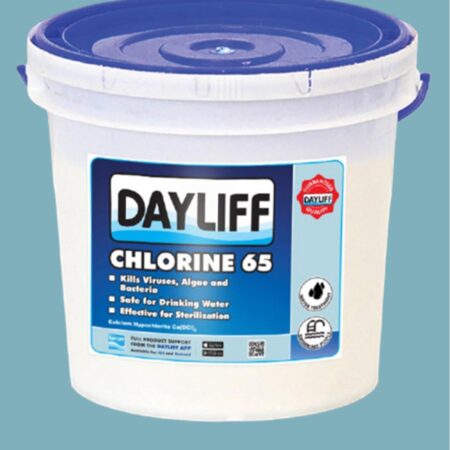
- Chlorine 65% or Sodium Hypochlorite
Algicide works with chlorine, not instead of it. Chlorine provides primary sanitation while algicide handles algae prevention specifically. - DPD Tablets
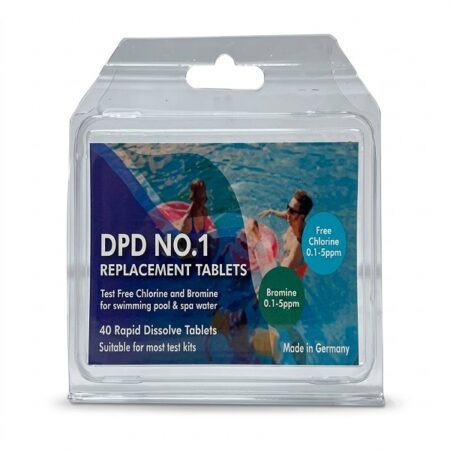
Regular testing ensures chlorine remains adequate for overall water quality. DPD Tablets provide accurate chlorine measurement. - pH Plus or pH Minus
Proper pH supports chlorine effectiveness and algicide performance. These products help maintain optimal pH. - Flocculant or Clarifier
After algae treatment, flocculant helps remove dead algae particles from water, restoring clarity. - Shock Chlorine
For active algae blooms, shocking is necessary before algicide application. Shock chlorine provides the oxidation needed for complete algae elimination.
Buying Guide
How to Choose the Right Algicide
- Preventive vs. Treatment Use: Some products are designed primarily for prevention; others are for active treatment. Algicide/Algicure serves both purposes when used at appropriate doses.
- Algae Type: If you have a specific algae problem (e.g., black algae), choose a product formulated for that species.
- Pool Type: Some algicide formulations are better suited to specific pool surfaces.
- Frequency: Consider how often you want to apply. Some products provide longer residual protection.
- Budget: Compare cost per application, not just per liter.
- Compatibility: Ensure the product is compatible with your primary sanitizer.
Common Mistakes to Avoid
- Waiting for algae to appear: Prevention is always more effective than treatment.
- Using algicide instead of chlorine: Algicide is not a substitute for primary sanitation.
- Applying algicide with insufficient pump run time: Poor distribution leads to uneven results.
- Not brushing before treatment: Brushing exposes algae to algicide.
- Overdosing: More is not always better; follow label instructions.
- Ignoring underlying chemistry: Algae thrives in imbalanced water; correct pH and alkalinity first.
What Professionals Recommend
- Apply weekly as preventive treatment
- Brush pool surfaces at least weekly
- Maintain chlorine residuals even when using algicide
- Monitor water chemistry regularly
- Treat nutrients (phosphates) to reduce algae food source
- Run pump at least 8-12 hours daily for proper circulation
Algicide / Algicure – FAQs
- What is algicide and what does it do?
Algicide is a chemical that prevents and destroys algae growth in swimming pools by disrupting algae cell membranes or preventing spore germination. - How often should I add algicide to my pool?
Weekly application is recommended for preventive control. More frequent application may be needed during active algae treatment. - Do I need algicide if I use chlorine?
Yes, algicide works with chlorine, providing targeted algae control that reduces chlorine demand and helps maintain clear water. - Will algicide kill all types of algae?
Most algicide formulations are effective against green, yellow/mustard, and black algae. Check product label for specific claims. - Can I swim after adding algicide?
Usually you can swim 15-30 minutes after adding algicide. Follow product label instructions for specific guidance. - Does algicide affect other pool chemicals?
Algicide is generally compatible with chlorine and other pool chemicals. Do not apply immediately after shocking; wait 24 hours. - What causes algae growth despite algicide use?
Possible causes include insufficient algicide application, imbalanced water chemistry, high nutrient levels (phosphates), or inadequate filtration.
Algicide / Algicure – Summary
Algicide is a specialized pool chemical that prevents and destroys algae growth. It contains quaternary ammonium compounds or polyquat, which disrupt algae cell membranes. Essential for swimming pools in Kenya’s warm, high-UV climate. Apply weekly for prevention. Works alongside chlorine to maintain clear, safe pool water. Egret Swimming Pools supplies quality algicide with expert guidance for effective algae control.
Keep Your Pool Crystal Clear with Effective Algae Control
Don’t let algae ruin your pool experience. Egret Swimming Pools provides premium algicide products and expert technical advice for residential and commercial pool owners throughout Kenya.
- 📍 Location: Next to Total Petrol Station Kihunguro, Thika Road
- 📞 Call/WhatsApp: +254726545148
- 📧 Email: info@egretswimmingpools.co.ke | egreteswimmingpools@gmail.com
- 🕒 Working Hours: Mon – Sat 8:30AM – 5PM
Bulk orders welcome. Commercial contracts available. Let our pool chemistry specialists help you develop an effective algae prevention program.
Reviews
There are no reviews yet.