
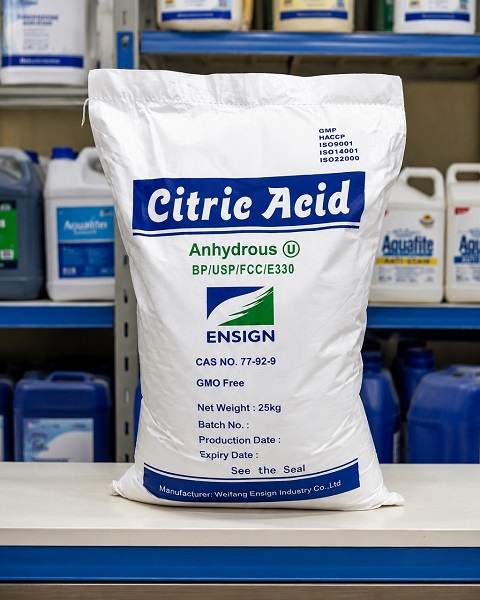
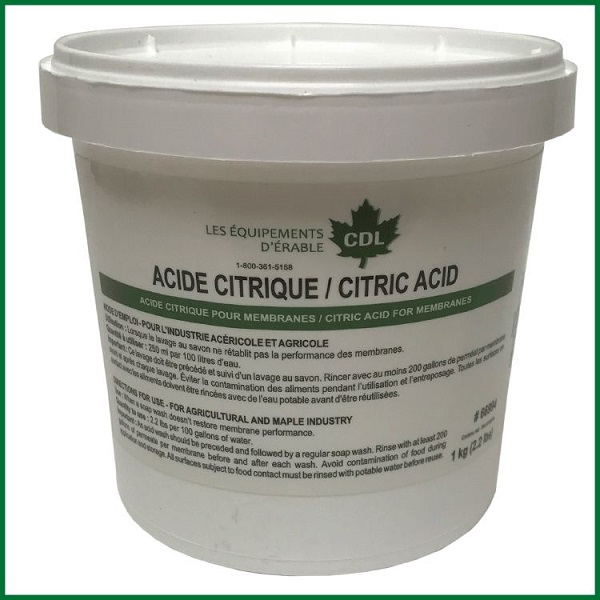
Citric Membrane Cleaner
Citric Membrane Cleaner
Citric Membrane Cleaner is a descaling product containing citric acid for removing scale and mineral deposits from pool equipment. Effective for cleaning membranes, heat exchangers, salt cells, and other equipment. Gentler and safer than strong mineral acids. Essential for preventive equipment maintenance. Egret Swimming Pools supplies Citric Membrane Cleaner across Kenya with expert technical support.
Verified Technical Specifications
| Specification | Verified Information |
| Product Name | Citric Membrane Cleaner |
| Chemical Category | Specialty Pool Chemicals |
| Active Ingredient | Citric Acid |
| Chemical Formula | Specification not provided in supplied reference material |
| Alternative Names | Citric Descaler |
| Primary Purpose | Removes scale and mineral deposits |
| Typical Usage | Equipment cleaning |
| Application Method | As per product label instructions |
Specification details not provided in the supplied reference material. The table above reflects only information from the referenced guide.
Contact us
- 📍 Location: Next to Total Petrol Station Kihunguro, Thika Road
- 📞 Call/WhatsApp: +254726545148
- 📧 Email: info@egretswimmingpools.co.ke | egreteswimmingpools@gmail.com
- 🕒 Working Hours: Mon – Sat 8:30AM – 5PM
Description
Citric Membrane Cleaner – Scale & Mineral Deposit Remover for Swimming Pools in Kenya
Product Data
| Attribute | Verified Information |
| Product Name | Citric Membrane Cleaner |
| Chemical Category | Specialty Pool Chemicals |
| Active Ingredient | Citric Acid |
| Chemical Formula | CaCO₃ + 2C₆H₈O₇ → Ca(C₆H₇O₇)₂ + H₂O + CO₂ |
| Alternative Names | Citric Descaler |
| Primary Purpose | Removes scale and mineral deposits |
| Typical Usage | Equipment cleaning |
Product Overview- Citric Membrane Cleaner
Citric Membrane Cleaner is a specialized swimming pool equipment cleaning chemical designed to remove scale and mineral deposits from pool filtration systems and other equipment. As a member of the specialty pool chemicals category, Citric Membrane Cleaner contains citric acid as its active ingredient, providing effective descaling action that restores equipment efficiency and extends service life.
Scale formation is one of the most common and damaging problems affecting pool equipment. Calcium carbonate and other mineral deposits accumulate on filter elements, heat exchanger surfaces, pump impellers, and membrane surfaces over time, reducing efficiency, increasing energy consumption, and eventually causing equipment failure. Citric Membrane Cleaner addresses this problem by dissolving these mineral deposits safely and effectively.
Citric acid is a naturally occurring organic acid found in citrus fruits. Unlike stronger mineral acids such as muriatic acid, citric acid offers a safer, more environmentally friendly alternative for descaling pool equipment. It is effective at dissolving calcium carbonate, iron oxide, and other mineral deposits without damaging sensitive equipment components when used as directed.
In the pool maintenance industry, regular equipment cleaning is recognized as essential for optimal performance and longevity. Scale accumulation on reverse osmosis membranes, heat exchangers, and filter elements can reduce efficiency by 30-50% or more. Citric Membrane Cleaner provides the targeted descaling needed to maintain equipment performance.
Citric Membrane Cleaner is distinct from general pool water treatment chemicals. It is used for equipment maintenance rather than water treatment, applied directly to equipment components during cleaning procedures rather than added to pool water. This makes it a specialized product for pool maintenance professionals and knowledgeable pool owners.
Egret Swimming Pools supplies Citric Membrane Cleaner to residential and commercial pool owners across Kenya who want to maintain equipment efficiency and extend service life. As a trusted pool chemical supplier based in Kihunguro, Ruiru, we provide quality equipment maintenance products backed by expert technical advice.
How It Works
Citric Membrane Cleaner works through a chemical reaction that dissolves mineral deposits and scale from equipment surfaces. Understanding this mechanism helps pool owners appreciate why regular descaling is essential for equipment performance.
The Chemistry of Descaling:
Citric acid (C₆H₈O₇) is a weak organic acid that effectively dissolves calcium carbonate and other mineral deposits through a process called chelation and acid dissolution:
- Acid Dissolution of Scale:
When citric acid comes into contact with calcium carbonate scale (CaCO₃), it reacts to form soluble calcium citrate, water, and carbon dioxide:
CaCO₃ + 2C₆H₈O₇ → Ca(C₆H₇O₇)₂ + H₂O + CO₂
This reaction breaks down the solid scale into soluble compounds that can be rinsed away.
- Chelation of Metal Ions:
Citric acid acts as a chelating agent, binding to metal ions such as calcium, magnesium, and iron. This chelation holds these ions in solution, preventing them from re-depositing on equipment surfaces during and after cleaning.
- Iron Oxide Removal:
Citric acid is particularly effective at dissolving iron oxide deposits (rust), making it valuable for equipment affected by iron contamination. The iron ions are chelated and removed during rinsing.
- Membrane Cleaning Application:
For membrane filtration systems, the citric acid solution is circulated through the membrane under controlled conditions. The acid dissolves scale on the membrane surface, restoring permeability and efficiency.
- Rinsing and Neutralization:
After cleaning, the system is rinsed thoroughly to remove dissolved minerals and residual cleaning solution. For some applications, neutralization may be required before the equipment is returned to service.
Scale Types Removed by Citric Acid:
| Scale Type | Composition | Effectiveness |
| Calcium Carbonate | CaCO₃ | High |
| Calcium Sulfate | CaSO₄ | Moderate |
| Iron Oxide | Fe₂O₃ / Fe₃O₄ | High |
| Magnesium Deposits | Mg compounds | Moderate |
| Silica Scale | SiO₂ | Low |
Why It Matters
Scale accumulation is a serious problem that affects pool equipment performance, efficiency, and longevity:
- Reduced Efficiency:
Scale acts as an insulating layer on heat exchanger surfaces, reducing heat transfer efficiency. A thin layer of scale can reduce heat exchanger efficiency by 30% or more, increasing energy costs significantly. - Increased Energy Consumption:
Pumps and circulation systems must work harder when scale restricts flow and reduces efficiency. This increased energy consumption raises operating costs unnecessarily. - Reduced Flow Rates:
Scale accumulation on membrane surfaces, filter elements, and pipe interiors restricts flow rates. This reduces system capacity and may require longer pump run times to achieve proper water circulation. - Shortened Equipment Life:
Scale buildup causes equipment to work harder and at higher temperatures, accelerating wear and leading to premature failure. Regular descaling extends equipment service life significantly. - Water Quality Impact:
Scale on filtration equipment reduces its effectiveness, allowing contaminants to pass through and affecting water quality. This can lead to increased chemical consumption and water quality problems. - Costly Repairs or Replacement:
When scale accumulation is severe, equipment may need to be replaced. Regular descaling prevents this expensive outcome. - Heat Exchanger Protection:
In pools with heaters, scale accumulation on heat exchanger surfaces is particularly damaging. It reduces efficiency, can cause local overheating, and leads to premature failure.
Key Benefits
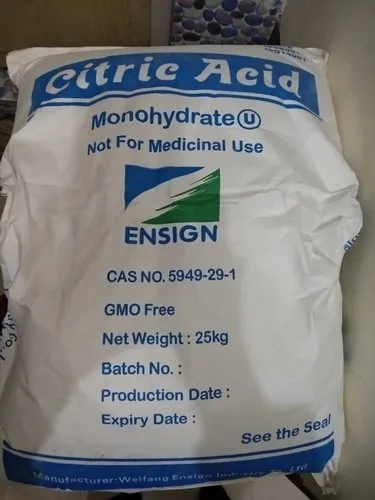
- Effective Scale and Mineral Deposit Removal
Citric Membrane Cleaner dissolves calcium carbonate, calcium sulfate, iron oxide, and other mineral deposits from equipment surfaces. This thorough descaling restores equipment performance and efficiency.- Why it matters: Scale removal directly improves equipment performance and reduces energy costs.
- Practical outcome: Restored equipment efficiency and lower operating costs.
- Gentle on Sensitive Equipment Components
Citric acid is a weak organic acid that descales effectively without damaging sensitive components. Unlike harsher mineral acids, it does not attack metal surfaces or membrane materials when used as directed.- Why it matters: Equipment protection extends service life and reduces maintenance costs.
- Practical outcome: Effective descaling without damage to valuable equipment.
- Restores Membrane Filtration Efficiency
For pools with reverse osmosis or nanofiltration systems, regular citric acid cleaning restores membrane permeability and efficiency. This ensures the filtration system operates at optimal performance.- Why it matters: Membrane systems are expensive; maintaining efficiency protects the investment.
- Practical outcome: Extended membrane life and consistent filtration performance.
- Improves Heat Exchanger Performance
Scale removal from heat exchangers restores heat transfer efficiency, reducing energy consumption for pool heating. This is particularly valuable for commercial pools with significant heating requirements.- Why it matters: Energy savings reduce operating costs substantially.
- Practical outcome: Lower heating costs and consistent water temperatures.
- Safer Alternative to Strong Acids
Citric acid is safer to handle and store than strong mineral acids such as muriatic acid. It does not produce dangerous fumes and is less corrosive to skin and equipment.- Why it matters: Safety is paramount when handling cleaning chemicals.
- Practical outcome: Safer cleaning procedures with effective results.
- Environmentally Friendly Descaling
Citric acid is biodegradable and derived from natural sources. It is an environmentally responsible choice for equipment cleaning compared to more aggressive chemical alternatives.- Why it matters: Environmental responsibility is increasingly important.
- Practical outcome: Effective descaling with reduced environmental impact.
- Essential Preventive Maintenance
Regular citric acid cleaning prevents scale buildup before it causes significant problems. This preventive approach is more cost-effective than reactive repair or replacement.- Why it matters: Prevention avoids costly emergency repairs.
- Practical outcome: Planned maintenance that protects equipment investments.
Problem-Solution Table
| Problem | Likely Cause | How Product Helps | Expected Outcome |
| Reduced filtration efficiency | Scale on membrane surfaces | Dissolves scale deposits | Restored filtration performance |
| Higher energy consumption | Scale on heat exchangers | Removes insulating scale | Lower energy costs |
| Reduced water flow | Scale in pipes and components | Clears scale deposits | Restored flow rates |
| Premature equipment failure | Scale buildup | Preventive descaling | Extended equipment life |
| Uneven heating | Scale on heat exchanger | Restores heat transfer | Consistent water temperature |
| Membrane system pressure increase | Scale accumulation | Cleans membrane surfaces | Normalized operating pressure |
| Salt system inefficiency | Scale on cell plates | Removes scale deposits | Restored chlorine production |
Dosage & Application Guidance
Dosage requirements vary depending on manufacturer specifications, system type, scale severity, and treatment objectives. Always follow product label instructions and professional equipment manufacturer guidance.
General swimming pool industry guidance for citric acid membrane cleaning:
Membrane Cleaning Solution Preparation:
- Typical concentration: 1-2% citric acid solution
- For severe scaling: up to 5% solution may be used
- Mix with clean water to achieve desired concentration
Cleaning Procedure:
- Isolate the equipment to be cleaned
- Prepare cleaning solution at recommended concentration
- Circulate solution through the equipment for specified time
- Monitor solution pH during cleaning
- Rinse thoroughly with clean water
- Return equipment to service
Important Considerations:
- Follow manufacturer cleaning protocols for specific equipment
- Some membrane types may have specific pH or temperature requirements
- Citric acid may not be effective for all scale types (e.g., silica scale)
- Professional guidance is recommended for complex membrane systems
Water Balance Reference Table
The values below represent general swimming pool industry guidance and are not specifications of the product described on this page. Actual operating targets may vary depending on local regulations, pool type, water source, equipment design, and operating objectives.
| Parameter | Recommended Range | Notes |
| pH | 7.2 – 7.8 | Optimal water balance |
| Total Alkalinity | 80 – 120 mg/L | Buffer capacity |
| Calcium Hardness | 250 – 350 mg/L | Higher levels increase scaling risk |
| Langelier Saturation Index | -0.3 to +0.3 | Indicates scale/corrosion tendency |
Step-by-Step Application Guide
General Cleaning Procedure:
Before Cleaning:
- Identify scale type and severity
- Determine appropriate cleaning protocol
- Prepare required quantity of cleaning solution
- Ensure safety equipment is available
- Isolate equipment to be cleaned
During Cleaning:
- Prepare citric acid solution at recommended concentration
- Circulate solution through equipment
- Monitor cleaning progress
- Adjust solution as needed
- Allow adequate contact time for scale dissolution
After Cleaning:
- Drain cleaning solution
- Rinse thoroughly with clean water
- Check for scale removal
- Return equipment to service
- Dispose of spent cleaning solution properly
Membrane System Cleaning:
- Isolate membrane system from normal operation
- Flush system with clean water
- Circulate 1-2% citric acid solution
- Monitor pH; adjust as needed
- Continue circulation for 30-60 minutes
- Rinse thoroughly with clean water
- Return system to service
Testing and Monitoring:
- Monitor cleaning solution pH during the process
- Check for visible scale removal
- Test system performance after cleaning
- Establish regular cleaning schedule
Kenya & East Africa Usage Guide
Citric Membrane Cleaner is particularly valuable in Kenya’s pool environment for addressing scale issues:
- Hard Water Challenges:
Many areas in Kenya have hard water with high calcium and magnesium content. This contributes to scale formation in equipment. Regular descaling with citric acid is essential for maintaining equipment efficiency in these areas. - High Evaporation and Concentration:
High temperatures and low humidity in many parts of Kenya cause significant evaporation, concentrating minerals in pool water. This accelerated mineral concentration increases scale formation risk. - Commercial Pool Equipment Demands:
Hotels and resorts with high operational demands cannot afford equipment failure or reduced efficiency. Citric Membrane Cleaner supports preventive maintenance programs that protect equipment investments. - Heater Usage:
Some Kenyan pools use heaters for comfort during cooler months. Scale accumulation on heat exchanger surfaces is a particular concern for these facilities. - Salt Chlorination Systems:
Salt chlorinators are popular in Kenya. These systems are prone to calcium scale formation on cell plates. Regular cleaning with citric acid maintains salt cell efficiency. - Water Source Variability:
Different water sources across Kenya have varying mineral content. Pool operators should monitor equipment and establish cleaning schedules based on local water quality. - Coastal Pools:
Salt spray and high humidity may accelerate corrosion and scale formation. Regular equipment cleaning helps manage these challenges.
Commercial Applications
Citric Membrane Cleaner serves commercial pool operations:
- Hotels and Resorts:
Commercial facilities cannot afford equipment downtime. Regular descaling maintains operational reliability and efficiency. - Water Parks:
Large-scale filtration systems require regular maintenance. Citric acid cleaning supports these operations. - Health Clubs and Spas:
Equipment efficiency affects operating costs. Descaling supports cost-effective operation. - Apartment Complexes:
Property managers maintain equipment to avoid costly repairs. Citric Membrane Cleaner supports this maintenance. - Pool Maintenance Companies:
Professional service providers use citric acid descaling as part of comprehensive maintenance programs.
Residential Applications
Citric Membrane Cleaner serves residential pool owners:
- Private Homes:
Homeowners with membrane filtration or salt systems benefit from regular descaling. - Salt Chlorinator Users:
Salt cell cleaning is essential for ongoing performance. Citric acid provides effective descaling. - Heated Pools:
Heaters require regular descaling to maintain efficiency.
Safety & Handling
Citric Membrane Cleaner is safe when handled properly:
Storage:
- Store in a cool, dry place
- Keep away from children and pets
- Store away from other pool chemicals
- Keep containers tightly sealed
Personal Protective Equipment (PPE):
- Gloves when handling
- Eye protection recommended
- Wash hands after handling
- Avoid inhaling powder (powdered product)
Handling Precautions:
- Avoid skin and eye contact
- Do not ingest
- Use in well-ventilated areas
- Do not mix with other chemicals unless directed
Spill Response:
- Sweep up dry spills carefully
- Dilute liquid spills with water
- Prevent entry into drains
Environmental Considerations:
- Citric acid is biodegradable
- Avoid large releases into water bodies
- Follow local disposal regulations
First Aid:
- Eye contact: Flush with water for 15 minutes; seek medical attention
- Skin contact: Wash with soap and water
- Inhalation: Move to fresh air
- Ingestion: Drink water; do not induce vomiting; seek medical attention
Product Comparison
Citric Membrane Cleaner is compared with other descaling options:
| Feature | Citric Membrane Cleaner | Muriatic Acid | Commercial Descalers |
| Active Ingredient | Citric Acid | Hydrochloric Acid | Various |
| Strength | Mild | Strong | Variable |
| Safety | Safer to handle | Hazardous | Variable |
| Equipment Damage Risk | Low | High | Variable |
| Environmental Impact | Low | High | Variable |
| Effectiveness | Good for calcium scale | Very effective | Variable |
| Application | Equipment cleaning | Equipment cleaning | Equipment cleaning |
Cross-Selling Recommendations
- DPD Tablets
Regular water testing helps monitor calcium hardness and prevent excessive scale formation. - Calcium Hardness Test Kit
Monitor calcium hardness levels to prevent scale formation. Use appropriate test kit. - pH Plus or pH Minus
Proper pH management reduces scale formation risk. These products help maintain optimal pH. - Scale Prevention Products
For ongoing scale prevention, consider specialized scale inhibitors. - Water Softener
For hard water areas, water softening systems can reduce scale formation.
Buying Guide
How to Choose Equipment Cleaner
- Equipment Type: Ensure cleaner is suitable for your equipment (membranes, heat exchangers, etc.)
- Scale Type: Identify scale type (calcium, iron, etc.) to select appropriate cleaner
- Form: Choose between liquid and powder based on preference
- Concentration: Select product with appropriate concentration for your application
Common Mistakes to Avoid
- Using too strong a solution: Higher concentration doesn’t mean better; follow recommendations
- Insufficient rinsing: Residual cleaning solution can affect water chemistry
- Not isolating equipment: Clean components separately from pool water
- Ignoring manufacturer protocols: Follow equipment manufacturer guidance
- Using for other purposes: Citric acid is for equipment cleaning, not pool water treatment
What Professionals Recommend
- Establish regular descaling schedule based on equipment and water quality
- Monitor calcium hardness to anticipate cleaning needs
- Follow manufacturer cleaning protocols carefully
- Rinse thoroughly after cleaning
- Consider professional guidance for complex systems
Citric Membrane Cleaner- FAQs
- What is Citric Membrane Cleaner used for?
Citric Membrane Cleaner removes scale and mineral deposits from pool equipment, including membranes, heat exchangers, and salt cells. - Is citric acid safe for pool equipment?
Yes, citric acid is a weak organic acid that descales effectively without damaging most equipment components when used as directed. - How often should I clean equipment with citric acid?
Cleaning frequency depends on water hardness, equipment type, and scale formation rate. Monitor equipment performance and establish a schedule. - Can I use citric acid to clean my salt cell?
Yes, citric acid is effective for cleaning calcium scale from salt cell plates. Follow manufacturer cleaning recommendations. - Is citric acid safe to add to pool water?
Citric acid is for equipment cleaning, not pool water treatment. It should not be added directly to pool water as a maintenance chemical. - How does citric acid differ from muriatic acid for cleaning?
Citric acid is safer to handle, less corrosive, and more environmentally friendly than muriatic acid, though it may be less aggressive on certain scales. - Can citric acid remove all types of scale?
Citric acid is effective for calcium carbonate and iron oxide scales but less effective for silica scale and some other mineral deposits.
Citric Membrane Cleaner- Summary
Citric Membrane Cleaner is a descaling product containing citric acid that removes scale and mineral deposits from pool equipment. Effective for cleaning membranes, heat exchangers, salt cells, and other equipment. Gentler and safer than strong mineral acids. Use as part of a preventive maintenance program. Egret Swimming Pools supplies Citric Membrane Cleaner with expert guidance for equipment maintenance.
Protect Your Pool Equipment with Professional Descaling Solutions
Scale buildup reduces efficiency and shortens equipment life. Egret Swimming Pools provides Citric Membrane Cleaner and expert equipment maintenance guidance for residential and commercial pool owners throughout Kenya.
- 📍 Location: Next to Total Petrol Station Kihunguro, Thika Road
- 📞 Call/WhatsApp: +254726545148
- 📧 Email: info@egretswimmingpools.co.ke | egreteswimmingpools@gmail.com
- 🕒 Working Hours: Mon – Sat 8:30AM – 5PM
Bulk orders welcome. Commercial contracts available. Let our equipment maintenance specialists help you protect your pool equipment investments.
Reviews
There are no reviews yet.