
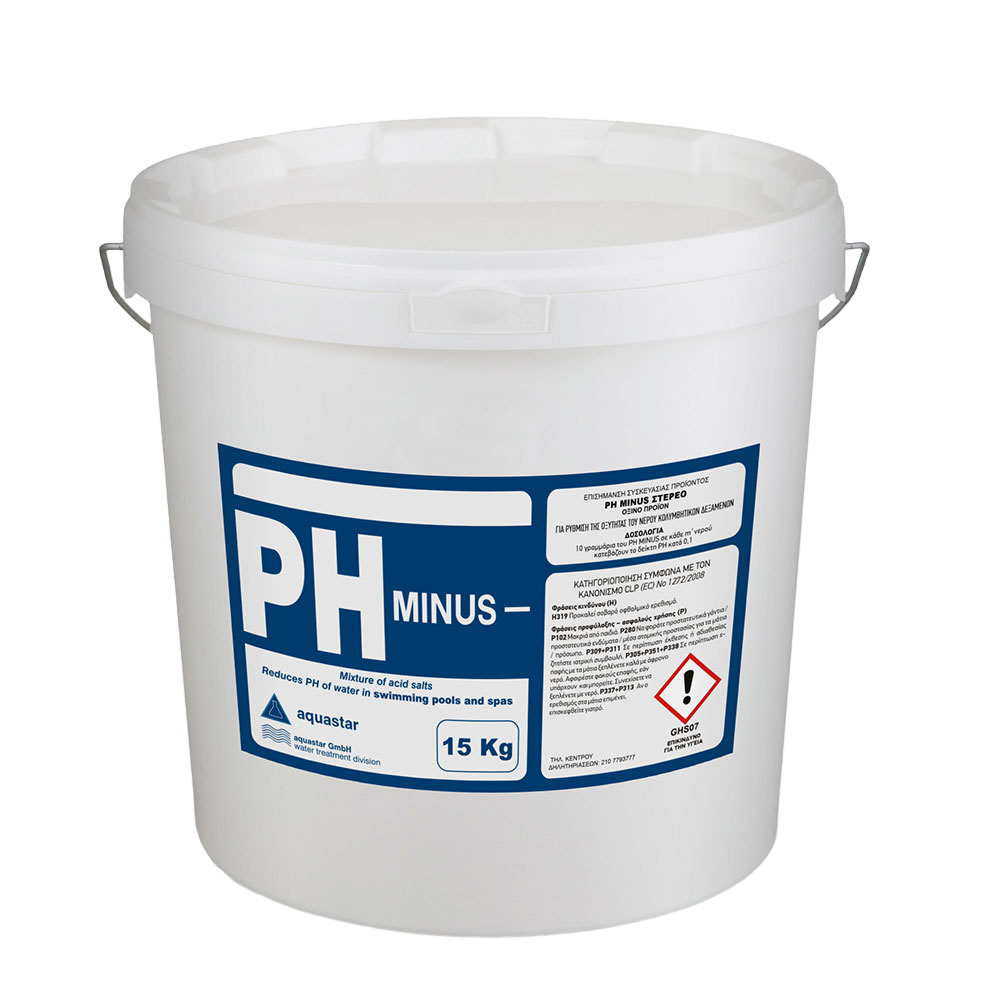
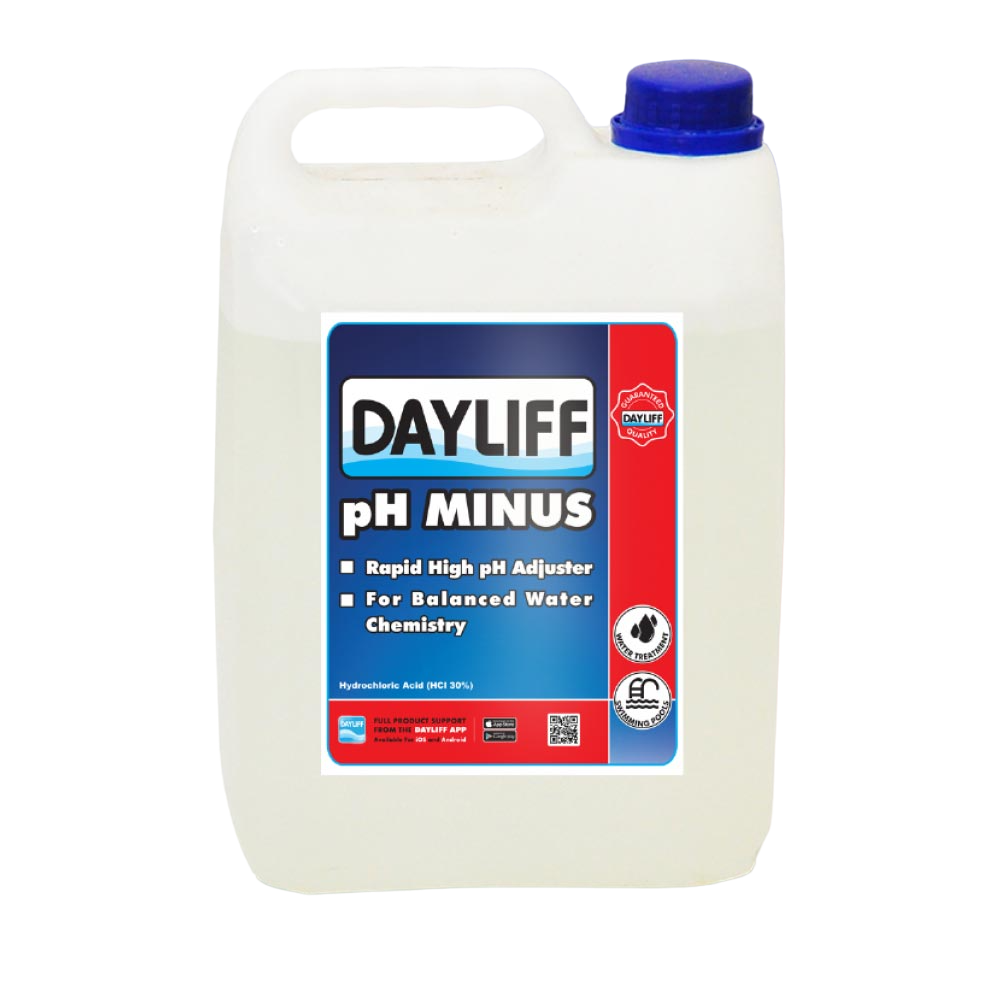
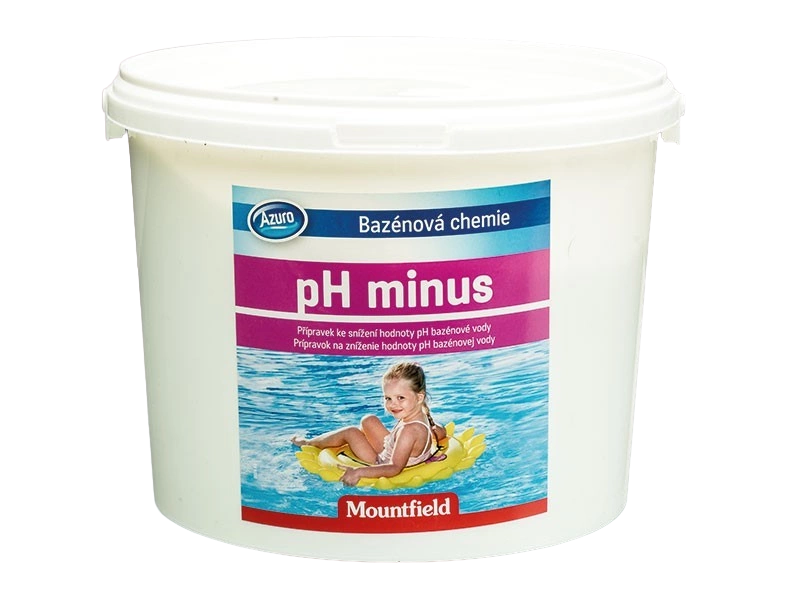
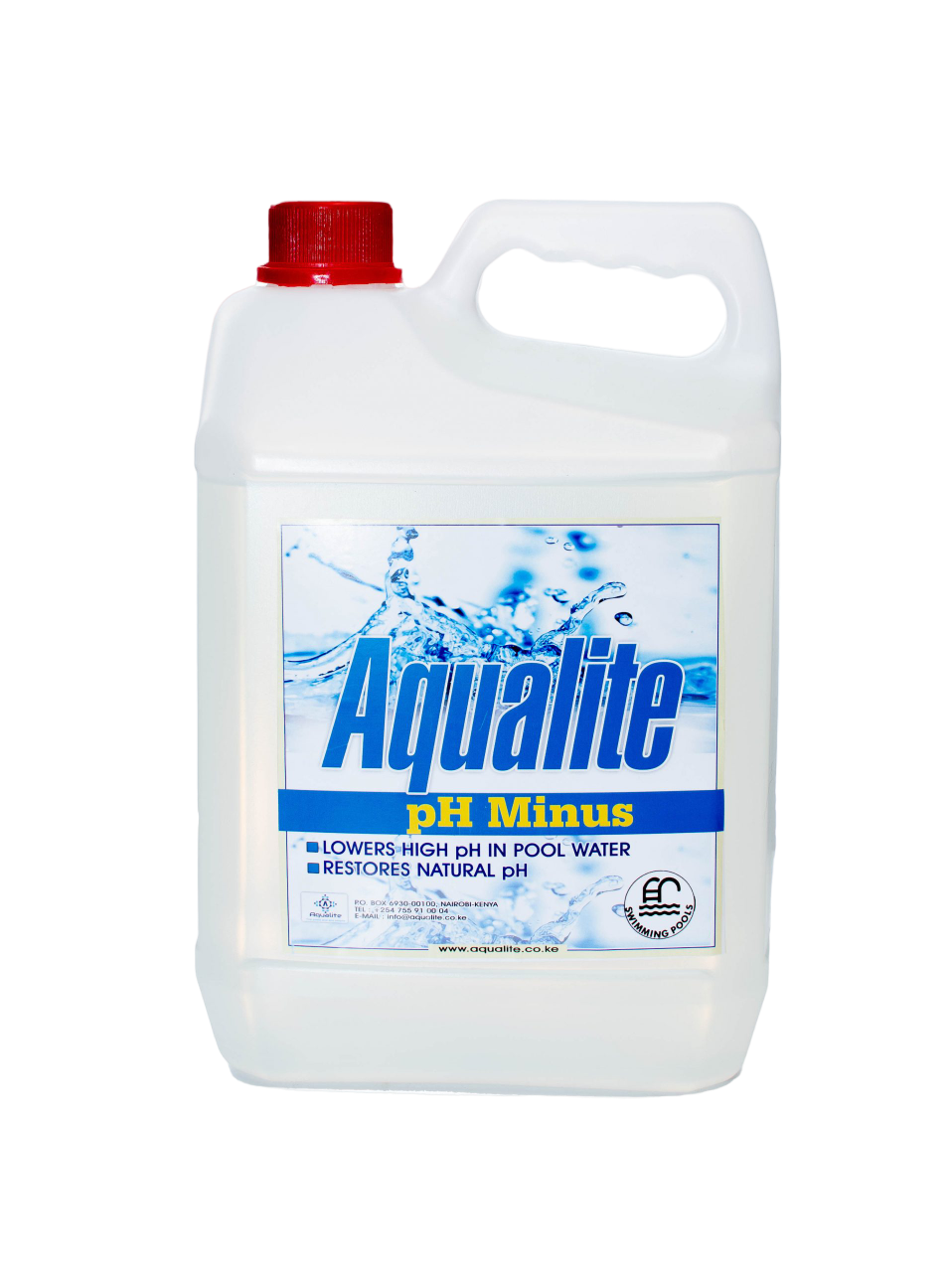
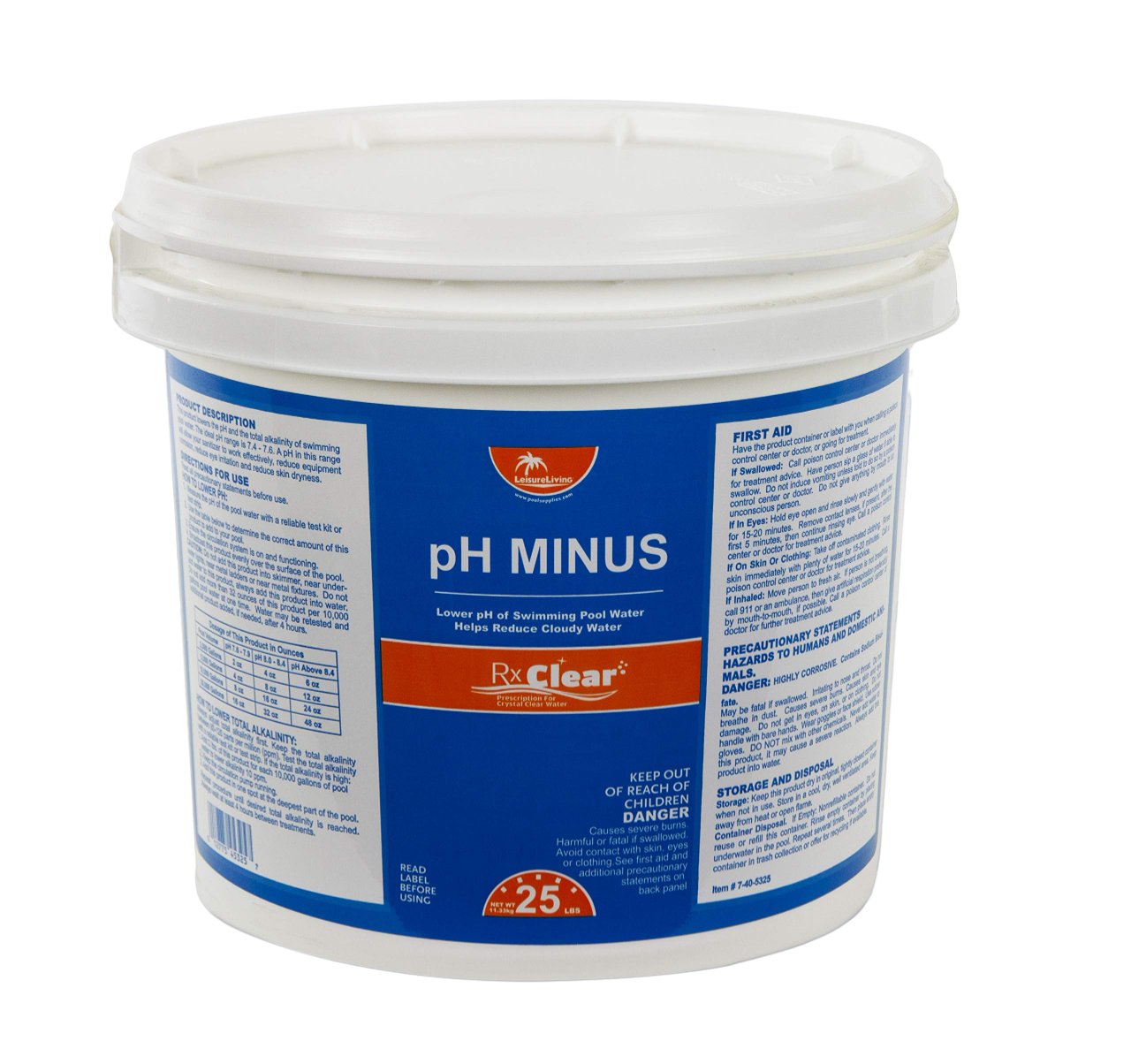
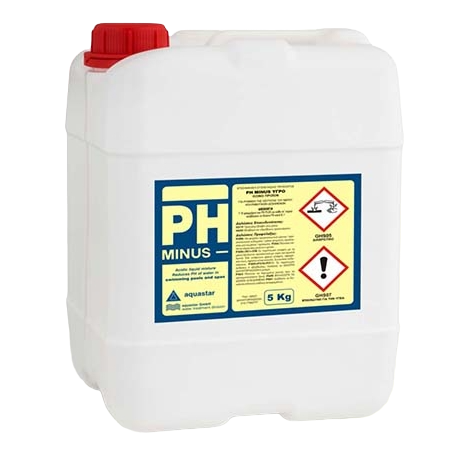
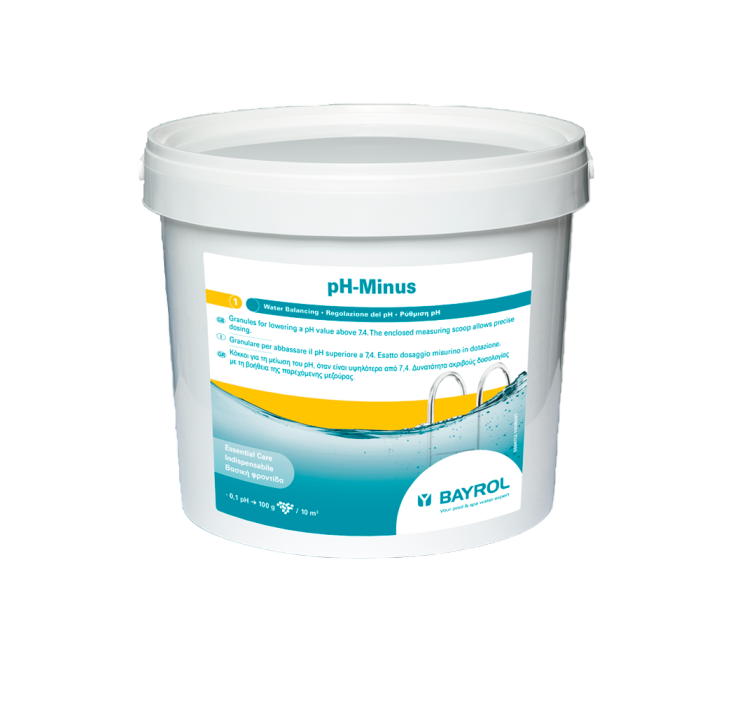
pH Minus- 5Ltrs
KSh 1,300.00
pH Minus
pH Minus is a pool pH reducer containing sodium bisulfate for lowering high pH levels. Corrects alkaline water to the optimal 7.2-7.8 range. Essential for preventing scale formation, restoring chlorine effectiveness, and maintaining swimmer comfort. Safer than liquid acid alternatives. Egret Swimming Pools supplies pH Minus across Kenya with expert technical support for proper water balance.
Verified Technical Specifications
| Specification | Verified Information |
| Product Name | pH Minus |
| Chemical Category | pH Adjustment Chemicals |
| Active Ingredient | Sodium Bisulfate or Diluted Acid |
| Chemical Formula | Specification not provided in supplied reference material |
| Alternative Names | Dry Acid, pH Reducer |
| Primary Purpose | Lowers pool pH |
| Typical Usage | High pH correction |
| Application Method | Granular/powder, added directly to pool |
Specification details not provided in the supplied reference material. The table above reflects only information from the referenced guide.
Contact Us:
- 📍 Location: Next to Total Petrol Station Kihunguro, Thika Road
- 📞 Call/WhatsApp: +254726545148
- 📧 Email: info@egretswimmingpools.co.ke | egreteswimmingpools@gmail.com
- 🕒 Working Hours: Mon – Sat 8:30AM – 5PM
Description
pH Minus – Pool pH Reducer for Swimming Pools in Kenya
Product Data
| Attribute | Verified Information |
| Product Name | pH Minus |
| Chemical Category | pH Adjustment Chemicals |
| Active Ingredient | Sodium Bisulfate or Diluted Acid |
| Chemical Formula | Not specified in reference material |
| Alternative Names | Dry Acid, pH Reducer |
| Primary Purpose | Lowers pool pH |
| Typical Usage | High pH correction |
pH Minus- Product Overview
pH Minus is a swimming pool water treatment chemical used to lower pool pH when levels rise above the optimal range. As a member of the pH adjustment chemical category, pH Minus contains Sodium Bisulfate or diluted acid as its active ingredient, providing effective and controlled pH reduction for pools experiencing alkaline conditions.
Maintaining proper pH is one of the most critical aspects of pool water chemistry. pH measures how acidic or basic the water is on a scale of 0 to 14, with 7.0 being neutral. For swimming pools, the ideal pH range is 7.2 to 7.8. When pH rises above 7.8, the water becomes alkaline, leading to problems including scale formation, reduced chlorine effectiveness, and cloudy water. pH Minus provides the solution by safely and effectively lowering pH back to optimal levels.
Sodium Bisulfate, commonly known as dry acid, is the preferred pH reducer for swimming pools. It is safer and easier to handle than liquid muriatic acid while providing effective pH reduction. The product is available in granular or powder form, designed for easy dissolution and application.
pH Minus is a fundamental component of every pool maintenance program, as pH naturally tends to drift upward over time due to factors such as aeration, the addition of alkaline chemicals, and the use of certain chlorine products. Without regular pH adjustment, pool water becomes increasingly alkaline, leading to scale formation, cloudy water, and reduced chlorine effectiveness.
pH Minus works alongside pH Plus (sodium carbonate) to provide complete pH management capability. Pool owners should have both products available to adjust pH in either direction as testing indicates.
Egret Swimming Pools supplies pH Minus to residential and commercial pool owners across Kenya. As a trusted pool chemical supplier based in Kihunguro, Ruiru, we provide quality pH adjustment solutions backed by expert technical advice.
How It Works
pH Minus works through a chemical reaction that lowers the pH of pool water. Understanding this mechanism helps pool owners appreciate why proper pH management is essential for pool water quality.
The Chemistry of pH Reduction:
Sodium Bisulfate (NaHSO₄) dissociates in water to form sodium ions (Na⁺), hydrogen ions (H⁺), and sulfate ions (SO₄²⁻):
NaHSO₄ → Na⁺ + H⁺ + SO₄²⁻
The hydrogen ions (H⁺) released by this dissociation increase the acidity of the water, lowering pH. This reaction is rapid and effective, providing quick pH correction.
Alternative Acid Formulations:
Some pH Minus products may contain diluted acid formulations. These function similarly, releasing hydrogen ions that lower pH. Liquid acid products (muriatic acid) are also used but are more hazardous to handle.
pH and Its Importance:
pH is a measure of hydrogen ion concentration in water. The pH scale is logarithmic, meaning each unit change represents a tenfold change in acidity or alkalinity:
| pH Value | Condition | Implications |
| Below 7.0 | Acidic | Corrosion, eye irritation, chlorine inefficiency |
| 7.2-7.8 | Optimal | Balanced, comfortable, effective sanitation |
| Above 7.8 | Alkaline | Scale formation, chlorine inefficiency, cloudy water |
The Relationship Between pH and Chlorine:
Chlorine exists in two forms in pool water: hypochlorous acid (HOCl) and hypochlorite ion (OCl⁻). HOCl is approximately 80-100 times more effective as a disinfectant than OCl⁻. The ratio between these forms depends on pH:
| pH | HOCl (Effective) | OCl⁻ (Less Effective) |
| 6.0 | 97% | 3% |
| 7.2 | 65% | 35% |
| 7.5 | 48% | 52% |
| 7.8 | 32% | 68% |
| 8.0 | 24% | 76% |
As pH rises, chlorine effectiveness decreases dramatically. At pH 8.0, chlorine is only about 24% effective compared to its effectiveness at lower pH. This means that maintaining proper pH is essential for effective pool sanitation.
Alkalinity and pH Relationship:
Total alkalinity acts as a buffer, resisting pH changes. When alkalinity is adequate (80-120 mg/L), pH is more stable. However, if alkalinity is too high, pH can drift upward and become difficult to lower. pH Minus addresses the pH directly, but alkalinity may also need adjustment in some cases.
Why It Matters
pH balance is one of the most critical aspects of swimming pool water chemistry. Understanding why pH matters helps pool owners appreciate the importance of pH Minus in their maintenance program.
- Swimmer Comfort:
High pH water (alkaline) causes eye irritation, skin dryness, and can leave swimmers feeling sticky or uncomfortable. While less acutely irritating than acidic water, high pH still creates a less pleasant swimming experience. pH Minus restores comfortable swimming conditions. - Scale Formation:
High pH water promotes calcium carbonate scale formation. This scale appears as white, crusty deposits on pool surfaces, tile lines, and equipment. Scale buildup damages pool surfaces, clogs pipes, and reduces equipment efficiency. pH Minus prevents scale formation by maintaining proper pH. - Chlorine Effectiveness:
As discussed, high pH dramatically reduces chlorine effectiveness. At pH 8.0, chlorine is only about 24% effective. This means pool owners must use significantly more chlorine to achieve the same sanitation results, increasing chemical costs and potentially causing other water quality issues. - Cloudy Water:
High pH can cause minerals to precipitate out of solution, creating cloudy water. Calcium carbonate and other minerals become insoluble at high pH, turning water hazy. pH Minus restores clarity by maintaining proper pH. - Equipment Protection:
Scale formation damages equipment over time. Heaters become less efficient, pumps strain against restricted flow, and filters clog more quickly. Proper pH protection extends equipment life and reduces maintenance costs. - Pool Surface Protection:
Scale deposits on pool surfaces are unsightly and difficult to remove. Over time, scale can etch plaster surfaces and damage tile grout. pH Minus prevents this damage. - Cost Savings:
By maintaining proper pH, pool owners avoid the costs associated with scale removal, equipment repair, and excessive chemical consumption.
Key Benefits
- Effective pH Reduction
pH Minus provides reliable, controlled pH reduction for pools with high pH levels. The active ingredients work quickly to lower pH to the optimal 7.2-7.8 range, restoring water balance.
- Why it matters: Precise pH control ensures optimal swimming conditions and chemical efficiency.
- Practical outcome: Perfectly balanced pool water with minimal effort.
- Prevents Scale Formation
By maintaining pH in the optimal range, pH Minus prevents the calcium carbonate scale that forms in high pH water. This scale protection extends equipment life and preserves pool surfaces.
- Why it matters: Scale damage is costly and difficult to repair.
- Practical outcome: Protected equipment, surfaces, and plumbing.
- Restores Chlorine Effectiveness
Lowering pH to the optimal range restores chlorine to maximum effectiveness. This means less chlorine is needed for effective sanitation, reducing chemical costs and improving water quality.- Why it matters: Effective sanitation requires proper pH.
- Practical outcome: Lower chlorine consumption and better water quality.
- Clears Cloudy Water
High pH can cause mineral precipitation that clouds water. pH Minus corrects the underlying pH issue, allowing minerals to dissolve and water to clear.
- Why it matters: Clear water is more inviting and indicates proper chemistry.
- Practical outcome: Crystal-clear, inviting pool water.
- Safer Alternative to Muriatic Acid
pH Minus (sodium bisulfate) is safer to handle than liquid muriatic acid. It does not produce dangerous fumes and is less corrosive to skin and clothing, making it the preferred choice for residential and commercial pool owners.
- Why it matters: Safety is paramount when handling pool chemicals.
- Practical outcome: Safer handling with effective pH reduction.
- Easy to Use and Dissolve
pH Minus is formulated for easy dissolution and application. The granular product dissolves readily in water and can be applied directly to the pool or predissolved for even distribution.
- Why it matters: Convenient application encourages regular pH maintenance.
- Practical outcome: Straightforward pH correction for all pool owners.
- Essential Component of Water Balance
pH Minus works alongside other chemicals to maintain complete water balance. When used with pH Plus, alkalinity adjusters, and hardness products, it helps achieve optimal pool water chemistry.
- Why it matters: Complete water balance ensures the best swimming experience.
- Practical outcome: Professionally balanced pool water.
Problem-Solution Table
| Problem | Likely Cause | How Product Helps | Expected Outcome |
| Scaling on pool surfaces | High pH causing calcium precipitation | Lowers pH to prevent scale | Scale-free surfaces |
| Cloudy water | High pH mineral precipitation | Corrects pH to dissolve minerals | Clear water |
| Chlorine not working effectively | High pH reducing chlorine activity | Optimizes pH for chlorine | Effective sanitation |
| Eye irritation | pH imbalance | Restores comfortable pH | Comfortable swimming |
| Sticky skin feeling after swimming | Alkaline water | Balances pH | Pleasant swimming experience |
| Filter scale buildup | High pH water | Prevents scale formation | Protected equipment |
| Water balance difficulty | High pH causing precipitates | Stabilizes water chemistry | Easier water management |
Dosage & Application Guidance
Dosage requirements vary depending on manufacturer specifications, pool volume, current pH level, target pH, water chemistry, and treatment objectives. Always follow product label instructions and professional water test results.
General swimming pool industry guidance for pH Minus use:
pH Minus Application:
- Dose rate: Approximately 100-200 grams per 10,000 liters lowers pH by 0.1-0.2 units
- Calculate dose based on pool volume and current pH
- Apply directly to pool water with pump running
- Add in front of return jets for even distribution
- Wait 4-6 hours and re-test pH
- Adjust further if needed
Important Considerations:
- Always test pH before adding pH Minus
- Add in stages; it’s easier to add more than to correct an overshoot
- Do not add pH Minus and chlorine simultaneously
- Allow 4-6 hours between adding pH Minus and re-testing
- pH Minus may lower alkalinity slightly; monitor alkalinity
- For liquid acid alternatives, follow specific safety precautions
Water Balance Reference Table
The values below represent general swimming pool industry guidance and are not specifications of the product described on this page. Actual operating targets may vary depending on local regulations, pool type, water source, equipment design, and operating objectives.
| Parameter | Recommended Range | Notes |
| pH | 7.2 – 7.8 | Optimal for swimmer comfort and chlorine effectiveness |
| Free Chlorine | 1.0 – 4.0 mg/L | Effective at proper pH |
| Total Alkalinity | 80 – 120 mg/L | Buffer for pH stability |
| Calcium Hardness | 250 – 350 mg/L | Prevents scaling/corrosion |
| Combined Chlorine | < 0.5 mg/L | Indicates effective oxidation |
Step-by-Step Application Guide
pH Minus Application:
Before Treatment:
- Test pool water for pH and total alkalinity
- If total alkalinity is high (>120 mg/L), this may cause pH to drift upward; consider alkalinity adjustment
- Calculate required dose based on pool volume and pH decrease needed
- Note: 100g per 10,000 liters typically lowers pH by 0.1-0.2 units
During Treatment:
- With pump running, add pH Minus directly to pool water
- Distribute evenly around pool perimeter
- Add in front of return jets for distribution
- For best results, pre-dissolve in a bucket of pool water
- Run pump continuously during application
After Treatment:
- Continue pump operation for at least 4 hours
- Re-test pH after 4-6 hours
- If pH is still above 7.8, repeat dose
- If pH is below 7.2, use pH Plus to raise
- Re-test all water chemistry parameters
Testing and Monitoring:
- Test pH weekly minimum; daily for commercial pools
- Always test before adding pH Minus
- Record pH readings to track trends
- Check alkalinity monthly to ensure buffer capacity
- Watch for pH drift upward, especially with aeration
Troubleshooting:
- pH doesn’t lower as expected: Check dose calculation; alkalinity may be too high
- pH overshoots: Use pH Plus to raise; adjust future doses
- pH rebounds quickly: Check alkalinity; may need reduction
- Cloudy water after adding: Usually temporary; ensure proper circulation
Kenya & East Africa Usage Guide
pH Minus is particularly important in Kenya’s pool environment due to regional factors that affect pH:
- High Alkalinity Fill Water:
Many areas in Kenya have naturally high alkalinity water. This alkalinity acts as a buffer, causing pH to drift upward and requiring regular pH Minus application. - Frequent pH Increase from Aeration:
Water features, fountains, and high bather activity increase aeration, which drives pH upward. pH Minus is essential for managing this ongoing pH rise. - High Bather Loads:
While bathers introduce acids that lower pH, the treatment and aeration associated with high bather loads can cause pH to drift upward. pH Minus provides the necessary adjustment. - Commercial Pool Demands:
Commercial pools with continuous operation require regular pH monitoring and adjustment. pH Minus is a standard maintenance product for these facilities. - Coastal Pools:
Salt spray and high humidity may affect pH stability. Regular testing and pH Minus application maintain proper balance in these conditions. - Water Source Variations:
Different water sources in Kenya have varying pH and alkalinity levels. Pool owners should test fill water and adjust pH as needed when topping up. - Rainy Season Effects:
Rainwater can lower pH, but the subsequent treatment and aeration may cause pH to rise. pH Minus helps maintain balance through seasonal variations.
Commercial Applications
pH Minus is essential for commercial pool operations:
- Hotels and Resorts:
Guest satisfaction depends on comfortable, clear water. pH Minus ensures pH stays in the optimal range for swimmer comfort and chlorine effectiveness. - Schools and Universities:
Educational facilities must maintain safe swimming conditions. Proper pH is essential for student health and regulatory compliance. - Health Clubs and Gyms:
Member satisfaction depends on comfortable swimming. pH Minus helps maintain the pH levels that members expect. - Water Parks:
High aeration from water features increases pH. pH Minus provides the necessary correction for these facilities. - Apartment Complexes:
Managed pools need consistent pH monitoring and adjustment. pH Minus helps property managers maintain water quality. - Pool Maintenance Companies:
Professional service providers include pH Minus in standard maintenance programs, ensuring water balance for their clients.
Residential Applications
pH Minus serves residential pool owners:
- Private Homes:
Homeowners use pH Minus to maintain comfortable, safe pool water. Regular testing and adjustment are part of routine maintenance. - Holiday Homes:
Properties used intermittently may experience pH drift. pH Minus corrects pH before guest arrival. - Airbnb Properties:
Investment property owners ensure guest satisfaction by maintaining proper pH. pH Minus provides the necessary adjustment. - Apartment Complexes:
Residents in buildings with shared pools benefit from properly balanced water maintained with pH Minus.
Safety & Handling
pH Minus requires careful handling:
Storage:
- Store in a cool, dry place
- Keep away from bases and other pool chemicals
- Store out of reach of children and pets
- Keep containers tightly sealed
Personal Protective Equipment (PPE):
- Gloves when handling
- Eye protection (goggles)
- Wash hands after handling
- Avoid creating dust when handling
Handling Precautions:
- Avoid skin and eye contact
- Do not ingest
- Do not mix with chlorine or other oxidizers
- Do not mix with bases (reaction may occur)
- Use in well-ventilated areas
Spill Response:
- Sweep up dry spills carefully
- Flush area with water
- Prevent entry into drains
Environmental Considerations:
- Sodium bisulfate is generally environmentally benign
- Avoid large releases into water bodies
- Follow local disposal regulations
First Aid:
- Eye contact: Flush with water for 15 minutes; seek medical attention
- Skin contact: Wash with soap and water
- Inhalation: Move to fresh air
- Ingestion: Drink water; do not induce vomiting; seek medical attention
Product Comparison
pH Minus is compared with other pH adjustment products:
| Feature | pH Minus (Sodium Bisulfate) | Muriatic Acid | pH Plus |
| Active Ingredient | Sodium Bisulfate | Hydrochloric Acid | Sodium Carbonate |
| Primary Purpose | Lowers pH | Lowers pH | Raises pH |
| Form | Granular/powder | Liquid | Granular/powder |
| Safety | Safer to handle | Hazardous fumes, corrosive | Safe |
| Alkalinity Effect | Slight decrease | Moderate decrease | Small increase |
| Use Case | High pH correction | High pH (industrial) | Low pH correction |
Cross-Selling Recommendations
- pH Plus
pH Minus and pH Plus work together to maintain pH balance. Have both available for adjustment in either direction. - DPD Tablets
Accurate water testing is essential for proper pH management. DPD Tablets provide reliable chlorine measurement alongside pH testing. - Sodium Bicarbonate
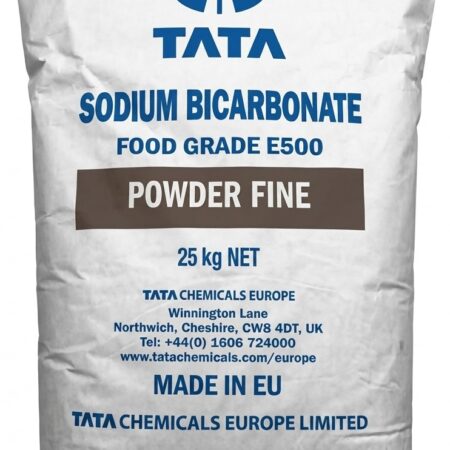
If alkalinity drops during pH reduction, sodium bicarbonate raises alkalinity. Monitor and adjust as needed. - Pool Water Test Kit
A comprehensive test kit measuring pH, chlorine, alkalinity, and calcium hardness enables complete water balance management. - Chlorine Sanitizer
Proper pH supports chlorine effectiveness. Ensure you have adequate chlorine for complete water treatment.
Buying Guide
How to Choose pH Minus
- Type: pH Minus (sodium bisulfate) is the preferred choice for pool applications
- Purity: High purity for consistent results
- Quantity: Based on pool size and expected frequency of use
- Form: Granular is standard; easier to dissolve than some alternatives
Common Mistakes to Avoid
- Using liquid acid without proper safety precautions: pH Minus is safer for most pool owners
- Not testing before adding: Always test before adding any chemicals
- Adding too much: pH correction is gradual; add in stages
- Mixing with chlorine: Add separately with pump running
- Ignoring alkalinity: High alkalinity makes pH resistant to change; address alkalinity first if needed
What Professionals Recommend
- Test pH weekly; daily for commercial pools
- Maintain pH in 7.2-7.8 range
- Address high alkalinity if pH is difficult to lower
- Add pH Minus in small doses and retest
- Monitor pH trends to anticipate adjustment needs
pH Minus- FAQs
- What is pH Minus used for?
pH Minus is used to lower pool pH when levels rise above the optimal 7.2-7.8 range, correcting alkaline water conditions. - How is pH Minus different from muriatic acid?
pH Minus (sodium bisulfate) is safer to handle than muriatic acid, producing no dangerous fumes and being less corrosive. - How often should I add pH Minus?
Add pH Minus when testing indicates pH is above 7.8. Frequency depends on pool conditions, aeration, and water source alkalinity. - Can I add pH Minus and chlorine at the same time?
No, add pH Minus with pump running and wait before adding chlorine. Never mix chemicals directly. - How long after adding pH Minus can I swim?
You can swim after pH Minus has fully dissolved and pH has been confirmed within the 7.2-7.8 range, typically 4-6 hours after addition. - Does pH Minus affect chlorine effectiveness?
Yes, by lowering pH to the optimal range, pH Minus ensures chlorine works at maximum effectiveness. - What pH should my pool be?
The ideal pH range for swimming pools is 7.2-7.8, with 7.4-7.6 being optimal for comfort and chlorine effectiveness.
Summary
pH Minus is a pool chemical containing sodium bisulfate that lowers high pH levels. It corrects alkaline water, preventing scale formation, restoring chlorine effectiveness, and clearing cloudy water. Essential for maintaining optimal 7.2-7.8 pH range. Use when testing shows pH above 7.8. Egret Swimming Pools supplies pH Minus with expert guidance for proper pool water balance.
Maintain Perfect pH Balance for Comfortable, Safe Swimming
Don’t let high pH ruin your swimming experience or damage your pool. Egret Swimming Pools provides quality pH Minus and expert water chemistry guidance for residential and commercial pool owners throughout Kenya.
- 📍 Location: Next to Total Petrol Station Kihunguro, Thika Road
- 📞 Call/WhatsApp: +254726545148
- 📧 Email: info@egretswimmingpools.co.ke | egreteswimmingpools@gmail.com
- 🕒 Working Hours: Mon – Sat 8:30AM – 5PM
Bulk orders welcome. Commercial contracts available. Let our pool chemistry specialists help you achieve and maintain perfect water balance.
Reviews
There are no reviews yet.