
Swimming Pool Enzyme Treatment
Enzyme Treatments
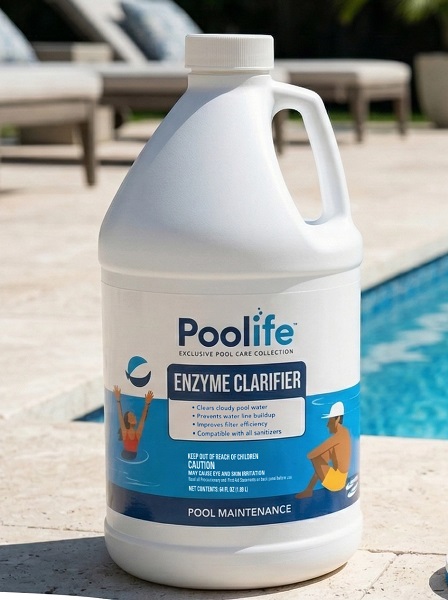
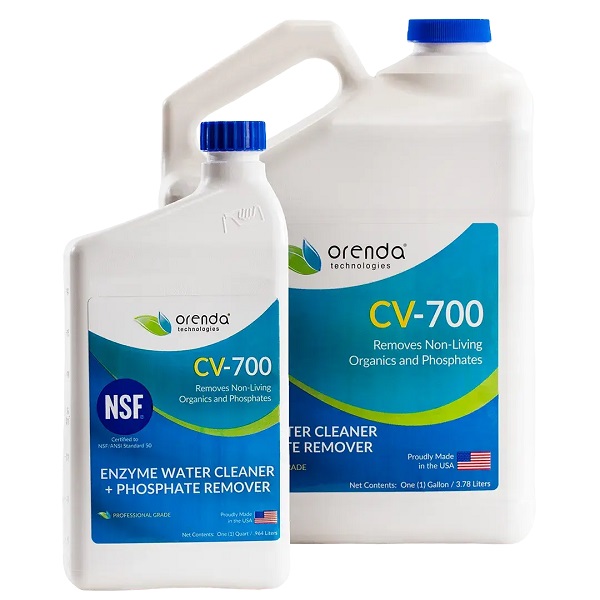
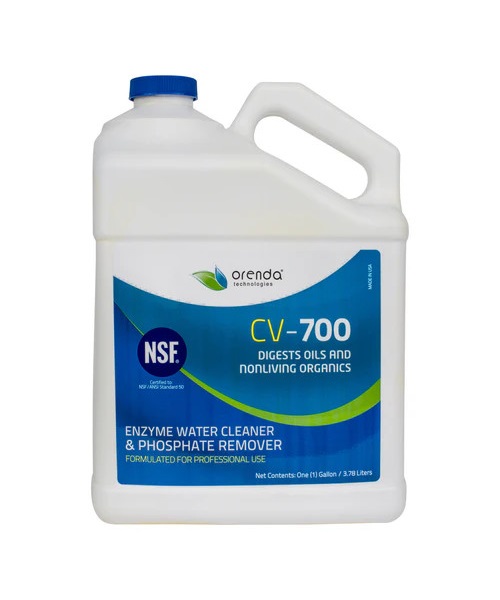
Enzyme treatments break down oils, lotions, and organic contaminants in swimming pool water. Contains protease, lipase, and amylase enzymes that digest non-living organic waste. Reduces chlorine demand and prevents chloramine formation. Works alongside chlorine for enhanced water quality. Egret Swimming Pools supplies enzyme treatments across Kenya with expert technical support for organic waste management.
Verified Technical Specifications
| Specification | Verified Information |
| Product Name | Enzyme Treatments |
| Chemical Category | Additional Important Pool Chemicals |
| Active Ingredient | Enzyme formulations (protease, lipase, amylase) |
| Chemical Formula | Specification not provided in supplied reference material |
| Alternative Names | Enzyme Cleaner, Organic Waste Remover |
| Primary Purpose | Break down oils and organic contaminants |
| Typical Usage | Organic waste management |
| Application Method | Liquid, poured directly into pool |
Specification details not provided in the supplied reference material. The table above reflects only information from the referenced guide and general industry knowledge.
Contact us:
- 📍 Location: Kihunguro, Ruiru – Kiambu County
- 📞 Call/WhatsApp: +254726545148
- 📧 Email: info@egretswimmingpools.co.ke | egreteswimmingpools@gmail.com
- 🕒 Working Hours: Mon – Sat 8:30AM – 5PM
Description
Enzyme Treatments – Organic Contaminant Remover for Swimming Pools in Kenya
Product Data
| Attribute | Verified Information |
| Product Name | Enzyme Treatments |
| Chemical Category | Additional Important Pool Chemicals |
| Active Ingredient | Enzyme formulations (protease, lipase, amylase) |
| Chemical Formula | Not specified in reference material |
| Alternative Names | Enzyme Cleaner, Organic Waste Remover |
| Primary Purpose | Break down oils and organic contaminants |
| Typical Usage | Organic waste management |
Product Overview
Enzyme Treatments are specialized swimming pool chemicals that break down oils, organic contaminants, and non-living waste that accumulate in pool water. As a member of the additional important pool chemicals category, enzyme treatments use biological catalysts to digest organic compounds that traditional sanitizers struggle to eliminate effectively.
In the pool maintenance industry, enzyme treatments are recognized as powerful tools for managing organic contamination. They are not living organisms but natural proteins produced by living organisms that act as catalysts in biochemical reactions. When added to pool water, these enzymes target and break down specific types of organic waste including body oils, sweat, sunscreen residues, cosmetics, hair gels, pet dander, and other carbon-based contaminants.
Enzyme treatments are distinct from traditional chemical treatments in their mechanism of action. While chlorine oxidizes organic matter through a chemical reaction, enzymes actually digest organic waste through a biological process. This enzymatic breakdown yields carbon dioxide, which bubbles out of the water, and water itself. Rather than oxidizing carbon waste and producing harmful disinfectant byproducts like chloramines and trihalomethanes, enzymes provide a cleaner, more targeted approach to waste management.
The use of enzymes in pool maintenance has gained significant popularity in recent years as pool owners and commercial operators seek more effective ways to manage organic loads and reduce chemical dependency. Enzyme treatments are particularly valuable in high-use commercial pools where bather loads introduce substantial amounts of non-living organic waste.
Egret Swimming Pools supplies enzyme treatments to residential and commercial pool owners across Kenya. As a trusted pool chemical supplier based in Kihunguro, Ruiru, we provide quality enzyme solutions backed by expert technical advice.
How It Works
Enzyme treatments work through biological catalysis that breaks down organic contaminants in pool water. Understanding this mechanism helps pool owners appreciate the unique value of enzymes in their maintenance program.
The Biology of Enzymatic Breakdown
Enzymes are natural proteins that act as biological catalysts, accelerating chemical reactions without being consumed in the process. In the context of pool maintenance, specific enzymes target and break down specific types of organic waste:
- Protease Enzymes- Protease enzymes break down proteins, such as those found in body oils, sweat, and skin cells. These are among the most common contaminants introduced by swimmers.
- Lipase Enzymes- Lipase enzymes target fats and oils, helping to remove sunscreen residue, makeup, and other greasy substances. This is particularly important in outdoor pools where sunscreen use is high.
- Amylase Enzymes- Amylase enzymes focus on breaking down carbohydrates, such as those found in leaves, plant matter, and other debris that may fall into the pool.
The Breakdown Process
When enzyme treatments are added to pool water:
- Contaminant Targeting: Specific enzymes attach to their target organic compounds
- Catalytic Breakdown: The enzymes catalyze the breakdown of complex organic molecules into simpler compounds
- Filtration Removal: The broken-down particles become small enough to be removed by the pool filter
- Complete Digestion: The process yields carbon dioxide and water as end products
Benefits of Enzymatic Breakdown
| Feature | Enzyme Action | Chemical Oxidation |
| Mechanism | Biological catalysis | Chemical reaction |
| By-products | CO₂, water | Chloramines, trihalomethanes |
| Target Specificity | High (specific enzymes for specific wastes) | Low (oxidizes everything) |
| Chlorine Demand | Reduces demand | Does not reduce demand |
| Odor | None | Can produce “chlorine smell” |
Why It Matters
Enzyme treatments address a critical gap in traditional pool maintenance programs:
- Chlorine Inefficiency Against Organic Waste
Chlorine is not well-suited for dealing with non-living organic contamination. Body oils, lotions, cosmetics, sunscreen, and other organic wastes place a significant burden on chlorine, consuming it and reducing its availability for disinfection. - Chloramine Formation
When chlorine does oxidize organic waste, it can form harmful disinfectant by-products (DBPs) like chloramines and trihalomethanes. These compounds cause eye and skin irritation and the unpleasant “chlorine smell.” Enzyme treatments reduce these by-products by breaking down organic waste before chlorine must oxidize it. - Improved Water Clarity
Organic contaminants contribute to cloudy water. Enzymes break down these contaminants so they can be filtered out, improving water clarity without additional chemicals. - Reduced Chlorine Demand
By digesting organic waste, enzymes reduce the chlorine demand. This allows chlorine to focus on sanitation rather than oxidation, making the overall treatment program more efficient. - Environmental Benefits
Enzyme treatments are biodegradable and environmentally friendly. They reduce the need for harsh chemicals and support a more sustainable approach to pool maintenance. - Equipment Protection
Organic waste can build up on pool surfaces and equipment, creating biofilms and scum lines. Enzymes help prevent this buildup, protecting pool equipment and reducing maintenance requirements.
Key Benefits
- Breaks Down Oils and Organic Waste
Enzyme treatments digest non-living organic contaminants including body oils, sweat, cosmetics, sunscreen, and other carbon-based waste. This breakdown removes compounds that traditional sanitizers struggle with.
- Why it matters: Organic waste causes cloudy water, unpleasant odors, and chlorine demand issues.
- Practical outcome: Cleaner, clearer water with reduced chemical burden.
- Reduces Chlorine Demand and Improves Efficiency
By breaking down organic contaminants, enzymes reduce the chlorine demand on the primary sanitizer. This allows chlorine to work more effectively on sanitation rather than oxidation, resulting in better overall water quality.
- Why it matters: Lower chlorine demand reduces chemical costs and improves sanitation.
- Practical outcome: More efficient chlorine use with less consumption.
- Prevents Chloramine Formation
Enzyme treatments break down organic waste before chlorine oxidizes it, reducing the formation of chloramines and other harmful disinfectant byproducts. This eliminates the “chlorine smell” and associated irritation.
- Why it matters: Chloramines cause eye irritation, skin reactions, and unpleasant odors.
- Practical outcome: Odor-free, comfortable swimming environment.
- Improves Water Clarity
Enzymes break down organic matter that clouds the water, resulting in crystal-clear pool water. By removing the contaminants that cause haze, enzymes enhance the visual appeal of the pool.
- Why it matters: Clear water is more inviting and indicates proper maintenance.
- Practical outcome: Sparkling, crystal-clear pool water.
- Reduces Scum Lines and Biofilm
Enzyme treatments break down oils, lotions, and other materials that accumulate at the waterline, preventing scum lines and biofilm formation. This reduces manual cleaning requirements and equipment maintenance.
- Why it matters: Scum lines and biofilm are unsightly and can harbor bacteria.
- Practical outcome: Cleaner waterline, less scrubbing, protected equipment.
- Eco-Friendly Pool Maintenance
Enzyme treatments are biodegradable and environmentally friendly. They support a more sustainable approach to pool maintenance by reducing the need for harsh chemicals.
- Why it matters: Environmental responsibility is increasingly important.
- Practical outcome: Effective pool care with reduced environmental impact.
- Reduces Backwashing Frequency
By keeping organic waste from accumulating on filter media, enzymes reduce the need for frequent filter backwashing. This saves water and reduces maintenance time.
- Why it matters: Less backwashing means less water waste and lower operating costs.
- Practical outcome: Extended filter runs and reduced water consumption.
Problem-Solution Table
| Problem | Likely Cause | How Product Helps | Expected Outcome |
| Cloudy water despite chlorine | Organic contaminants | Breaks down organics for filtration | Crystal-clear water |
| Scum line at waterline | Oils and lotions | Digest oils and greases | Clean waterline |
| High chlorine demand | Organic load | Reduces chlorine demand | Lower chemical costs |
| Strong “chlorine smell” | Chloramine formation | Reduces organic precursors | Odor-free water |
| Eye and skin irritation | Chloramines | Prevents chloramine formation | Comfortable swimming |
| Poor filter performance | Organic accumulation | Reduces organic load on filter | Better filtration |
| Biofilm formation | Organic buildup | Prevents organic accumulation | Protected equipment |
Dosage & Application Guidance
Dosage requirements vary depending on manufacturer specifications, pool volume, contaminant load, bather load, and treatment objectives. Always follow product label instructions and professional water test results.
General swimming pool industry guidance for enzyme treatments:
Routine Maintenance:
- Apply weekly or biweekly for optimal results
- Dose rate: Follow product label instructions based on pool volume
- Apply during the evening when the pool is not in use
- Add directly to pool water while pump is running
For Heavy Contamination:
- Higher initial dose may be required (consult product label)
- Consider double dosing for heavily used commercial pools
- Maintain regular application schedule thereafter
Important Considerations:
- Enzymes work best in well-balanced water
- Ensure pH and alkalinity are within acceptable ranges
- Use enzymes proactively, not reactively
- Run pump for 6-8 hours after application
- Enzymes are not a replacement for chlorine—they work alongside sanitizers
Water Balance Reference Table
The values below represent general swimming pool industry guidance and are not specifications of the product described on this page. Actual operating targets may vary depending on local regulations, pool type, water source, equipment design, and operating objectives.
| Parameter | Recommended Range | Notes |
| pH | 7.2 – 7.8 | Enzymes work best in balanced water |
| Free Chlorine | 1.0 – 4.0 ppm | Maintain adequate sanitizer levels |
| Total Alkalinity | 80 – 120 ppm | Buffer capacity |
| Calcium Hardness | 250 – 350 ppm | Prevents scaling/corrosion |
Step-By-Step Application Guide
Before Treatment
- Test pool water for pH, chlorine, and alkalinity
- Verify water chemistry is in acceptable ranges
- Determine whether routine maintenance or heavy treatment is needed
- Calculate required dose based on pool volume
During Treatment
- Measure the correct amount of enzyme treatment
- Pour the solution into the pool water, ensuring even distribution
- Add during the evening when the pool is not in use for optimal results
- Run the pump for at least 6-8 hours to circulate the enzymes
After Treatment
- Regular monitoring of pool water is recommended
- Maintain regular enzyme application schedule
- Continue regular chlorine and pH testing
Testing and Monitoring
- Monitor water clarity improvements
- Look for reduction in scum lines and waterline buildup
- Note reduced chlorine demand over time
Tips for Maintaining Optimal Enzyme Levels
- Use enzyme test kits to monitor levels if available
- Skim the pool surface and clean filters regularly
- Keep water chemistry balanced for optimal enzyme performance
- Use enzymes proactively as part of routine maintenance
Kenya & East Africa Usage Guide
Enzyme treatments are particularly valuable in Kenya’s pool environment:
- Commercial Pool Applications: Hotels, resorts, and other commercial facilities in Nairobi, Mombasa, Kisumu, and across Kenya experience high bather loads. Enzyme treatments manage the resulting organic contamination effectively, with products originally formulated for wastewater treatment handling even the most intense bather loads.
- High Temperatures: Kenya’s warm water temperatures can accelerate organic waste accumulation. Enzyme treatments help manage this increased organic load.
- Sunscreen and Lotion Use: Kenya’s sunny climate means heavy use of sunscreens and lotions, which contribute to organic contamination. Lipase enzymes break down these oils and greases effectively.
- Resort and Safari Lodge Demand: Properties in Kenya’s tourism sector need crystal-clear water for guest satisfaction. Enzyme treatments support this requirement by removing non-living organics that cloud water.
- Coastal and Inland Pools: Enzyme treatments work consistently across different environmental conditions.
- Regional Availability: Various international enzyme treatment formulations are available to pool owners in Kenya and East Africa.
Commercial Applications
- Hotels and Resorts: High bather loads introduce significant organic contamination. Enzyme treatments manage this load effectively, reducing chlorine demand and maintaining water clarity.
- Health Clubs and Gyms: Heavy use from multiple users makes enzyme treatments particularly valuable for maintaining water quality.
- Water Parks: The intense bather loads at water parks create significant organic waste challenges. Enzyme treatments handle this load effectively.
- Pool Maintenance Companies: Professional service providers use enzyme treatments as part of comprehensive maintenance programs.
- Apartment Complexes: Managed pools benefit from the reduced chemical demand and improved water clarity that enzymes provide.
Residential Applications
- Private Homes: Homeowners use enzyme treatments to maintain clear water with reduced chemical usage.
- Holiday Homes: Properties used intermittently benefit from the proactive maintenance enzymes provide.
- Airbnb Properties: Investment property owners maintain guest satisfaction with enzyme-enhanced water quality.
Safety & Handling
Storage:
- Store in a cool, dry place
- Keep away from children and pets
- Store away from other pool chemicals
- Keep containers tightly sealed
Personal Protective Equipment (PPE):
- Gloves when handling
- Eye protection recommended
- Wash hands after handling
Handling Precautions:
- Avoid skin and eye contact
- Do not ingest
- Use in well-ventilated areas
Environmental Considerations:
- Enzyme treatments are biodegradable
- Follow local disposal regulations
First Aid:
- Eye contact: Flush with water; seek medical attention
- Skin contact: Wash with soap and water
- Inhalation: Move to fresh air
- Ingestion: Seek immediate medical attention
Product Comparison
| Feature | Enzyme Treatments | Chlorine | Clarifiers |
| Mechanism | Biological catalysis | Chemical oxidation | Physical coagulation |
| Target | Organic waste | Pathogens, organics | Suspended particles |
| By-products | CO₂, water | Chloramines | None |
| Chlorine Demand | Reduces demand | Increases demand | Minimal |
| Scum Line Prevention | Yes | Limited | No |
| Environmental Impact | Low (biodegradable) | Moderate | Low |
Cross-Selling Recommendations
- DPD Tablets: Regular testing ensures chlorine levels remain adequate with reduced demand. DPD Tablets provide accurate chlorine measurement.
- Chlorine Sanitizer: Enzyme treatments work alongside chlorine, reducing demand but not replacing sanitizer.
- Clarifier: For enhanced water clarity, clarifiers complement enzymes by removing particles for filtration.
- Algaecide: For complete water treatment, algaecide prevents algae growth alongside enzyme waste management.
- Filter Cleaning: Reduced organic load extends filter life but regular cleaning remains essential.
Buying Guide
How to Choose Enzyme Treatments
- Enzyme Type: Choose products with a blend of protease, lipase, and amylase for comprehensive coverage
- Concentration: Higher concentrations for commercial/high-use applications
- Application Frequency: Consider how often you want to apply
- Bather Load: Choose strength based on pool usage level
Common Mistakes to Avoid
- Expecting enzymes to replace chlorine: Enzymes work alongside chlorine, not instead of it
- Not applying regularly: Enzymes should be used proactively
- Ignoring water balance: Enzymes work best in balanced water
- Not running pump long enough: Run 6-8 hours after application
What Professionals Recommend
- Apply enzymes weekly or biweekly
- Use proactively to prevent organic buildup
- Maintain balanced water chemistry for optimal enzyme performance
- Combine with regular testing and chlorine maintenance
FAQs About Enzyme Treatments
- What are enzyme treatments for pools?
Enzyme treatments are biological catalysts that break down organic contaminants like oils, sweat, and sunscreen in pool water. - Do enzyme treatments replace chlorine?
No, enzymes are not a replacement for chlorine. They work in conjunction with chlorine to enhance water quality. - How often should I use enzyme treatments?
Apply weekly or biweekly for optimal results, depending on pool usage. - What types of contaminants do enzymes break down?
Enzymes target proteins (protease), fats and oils (lipase), and carbohydrates (amylase). - Are enzyme treatments safe for swimmers?
Yes, enzyme treatments are safe for swimmers when used as directed. - Will enzymes affect my pool pH?
Enzyme treatments do not significantly impact pH levels. - Can I use enzyme treatments in any pool type?
Yes, enzyme treatments are safe for all types of pools including saltwater, freshwater, and above-ground pools.
Enzyme treatments- Summary
Enzyme treatments are biological catalysts that break down oils, lotions, and organic contaminants in swimming pool water. They contain protease, lipase, and amylase enzymes that target specific organic wastes. Work alongside chlorine, reducing chlorine demand and preventing chloramine formation. Apply weekly for routine maintenance. Egret Swimming Pools supplies enzyme treatments with expert guidance for organic waste management.
Eliminate Organic Waste for Clearer, Fresher Water
Don’t let organic contaminants burden your pool chemistry. Egret Swimming Pools provides enzyme treatments and expert water quality guidance for residential and commercial pool owners throughout Kenya.
- 📍 Location: Kihunguro, Ruiru – Kiambu County
- 📞 Call/WhatsApp: +254726545148
- 📧 Email: info@egretswimmingpools.co.ke | egreteswimmingpools@gmail.com
- 🕒 Working Hours: Mon – Sat 8:30AM – 5PM
Bulk orders welcome. Commercial contracts available. Let our pool chemistry specialists help you achieve cleaner, clearer water with reduced chemical dependency.
Reviews
There are no reviews yet.