
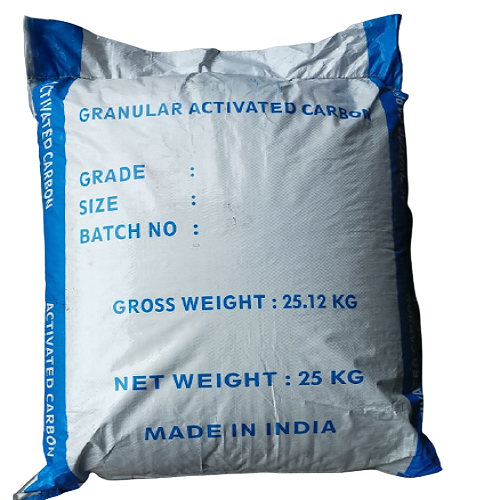
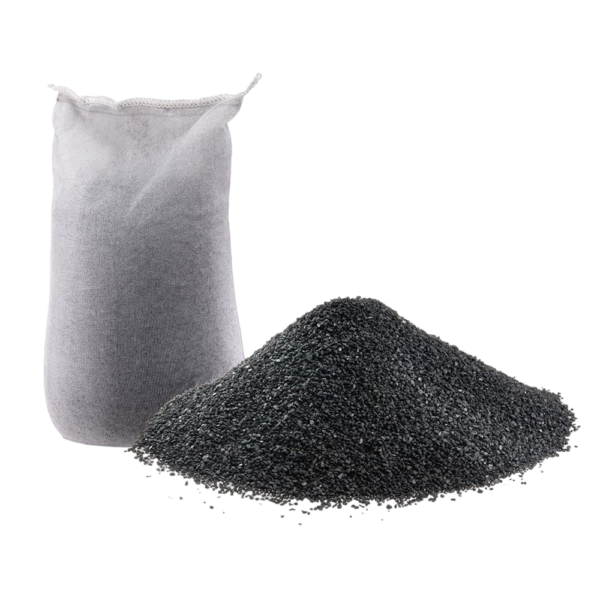
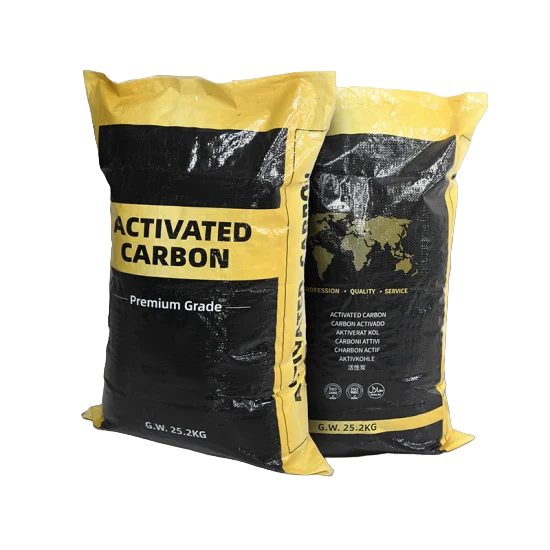
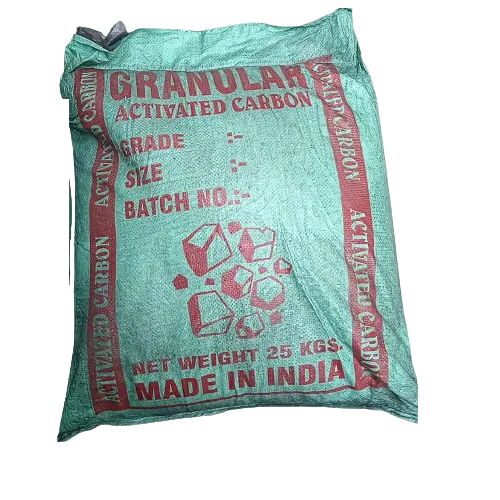
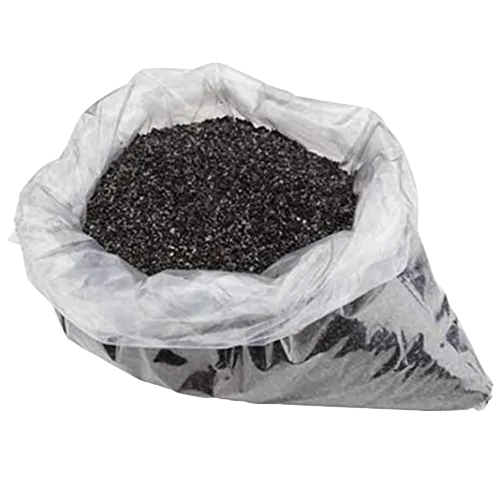
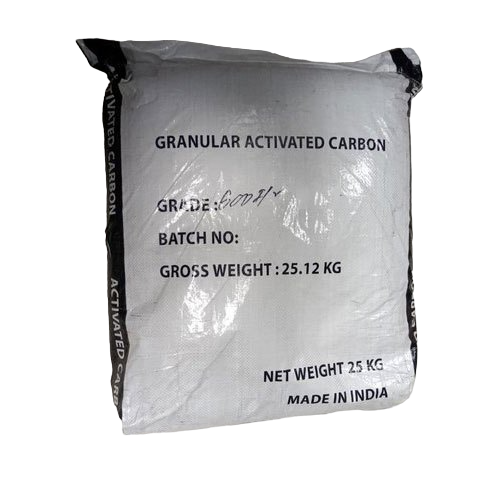
Activated Carbon- 25Kgs
KSh 9,500.00
Activated Carbon
What is Activated Carbon?
Activated carbon is a specialized filtration media that removes odors, color, and organic contaminants from swimming pool water. Effective for chloramine odor elimination and tannin color removal. Used as filtration support in sand filters or dedicated carbon filters. Safe, chemical-free treatment. Egret Swimming Pools supplies activated carbon across Kenya with expert technical support.
Verified Technical Specifications
| Specification | Verified Information |
| Product Name | Activated Carbon |
| Chemical Category | Water Clarification & Flocculation Chemicals |
| Active Ingredient | Activated Carbon Granules |
| Chemical Formula | Specification not provided in supplied reference material |
| Alternative Names | Carbon Media |
| Primary Purpose | Removes odors, color, and organics |
| Typical Usage | Filtration support |
| Application Method | Filter media in sand filter or dedicated carbon filter |
Specification details not provided in the supplied reference material. The table above reflects only information from the referenced guide.
Contact us
- 📍 Location: Next to Total Petrol Station Kihunguro, Thika Road
- 📞 Call/WhatsApp: +254726545148
- 📧 Email: info@egretswimmingpools.co.ke | egreteswimmingpools@gmail.com
- 🕒 Working Hours: Mon – Sat 8:30AM – 5PM
Description
Activated Carbon – Pool Filtration & Odor Removal Media for Swimming Pools in Kenya
Product Data
| Attribute | Verified Information |
| Product Name | Activated Carbon |
| Chemical Category | Water Clarification & Flocculation Chemicals |
| Active Ingredient | Activated Carbon Granules |
| Chemical Formula | Not specified in reference material |
| Alternative Names | Carbon Media |
| Primary Purpose | Removes odors, color, and organics |
| Typical Usage | Filtration support |
Activated Carbon
Product Overview
Activated Carbon is a specialized filtration media used in swimming pool water treatment to remove odors, color, and organic contaminants from pool water. As a member of the water clarification and flocculation chemical category, activated carbon consists of carbon granules that have been processed to create an extremely porous structure, providing exceptional adsorption capacity for a wide range of impurities.
Activated carbon is one of the most versatile water treatment media available. Its ability to adsorb organic compounds, remove unpleasant odors, eliminate discoloration, and reduce chlorine demand makes it invaluable for pools facing specific water quality challenges. Unlike chemical treatments that add substances to the water, activated carbon works by physically removing contaminants through adsorption, making it a “subtractive” treatment method.
The product is used as filtration support media, typically placed in the filter system or in a dedicated carbon filter. Water passes through the carbon bed, where contaminants are adsorbed onto the carbon surface. Over time, the carbon becomes saturated and must be replaced or regenerated.
In the pool maintenance industry, activated carbon is recognized for its effectiveness in addressing specific issues such as:
- Removal of chloramine odors (“chlorine smell”)
- Elimination of color from organic staining (tannins, humic acids)
- Reduction of chlorine demand from organic contaminants
- Improvement of overall water quality in challenging conditions
Activated carbon is not a routine maintenance product for most pools. Instead, it is used as a targeted treatment for specific water quality problems or as part of a specialized filtration system for pools with challenging source water.
Egret Swimming Pools supplies activated carbon media to residential and commercial pool owners across Kenya who need effective removal of odors, colors, and organic contaminants. As a trusted pool chemical supplier based in Kihunguro, Ruiru, we provide quality filtration support products backed by expert technical advice.
How It Works
Activated carbon operates through a sophisticated adsorption mechanism that removes contaminants from water without adding chemicals. Understanding this mechanism helps pool owners appreciate why activated carbon is so effective for specific water quality challenges.
The Structure of Activated Carbon:
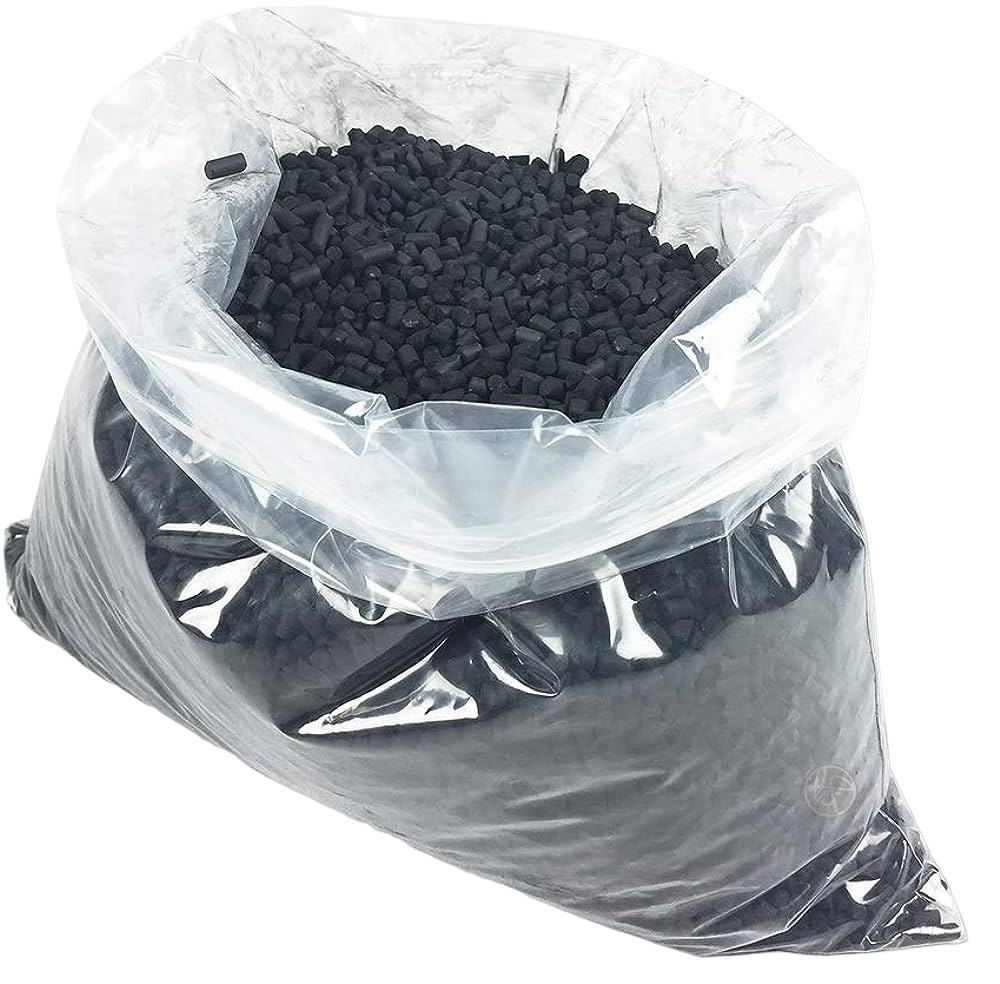 Activated carbon is produced by heating carbonaceous materials (such as coconut shells, wood, or coal) in the absence of oxygen, then activating them through steam or chemical treatment. This process creates an incredibly porous structure with an enormous surface area:
- Surface Area: 500-1500 m² per gram (equivalent to several football fields)
- Pore Structure: Micro-pores, meso-pores, and macro-pores of varying sizes
- Internal Surface: Contains functional groups that attract and bind contaminants
The Adsorption Mechanism:
- Physical Adsorption:
Contaminant molecules are attracted to the carbon surface through weak van der Waals forces. The carbon’s extensive surface area provides countless sites for this physical attraction. Larger molecules are trapped in the pores, while smaller molecules adsorb onto the pore walls. - Chemical Adsorption (Chemisorption):
Some contaminant molecules form stronger chemical bonds with the carbon surface. This chemisorption is particularly important for certain organic compounds and can be less reversible than physical adsorption. - Filtering of Larger Particles:
In addition to adsorption, the carbon granules also provide mechanical filtration, trapping larger particles that would otherwise pass through the filter media.
Contaminants Removed by Activated Carbon:
| Contaminant Type | Examples | Removal Efficiency |
| Chloramines | Combined chlorine compounds | High |
| Organic compounds | Tannins, humic acids, oils | High |
| Odors | “Chlorine smell,” musty odors | High |
| Discoloration | Yellow/brown tint from organics | High |
| Chlorine | Free chlorine (for dechlorination) | High |
| Pesticides/Herbicides | Agricultural runoff | Moderate-High |
Saturation and Replacement:
As contaminants are adsorbed, the carbon surface becomes progressively occupied. Once all adsorption sites are filled, the carbon is saturated and no longer effective. Saturated carbon must be replaced with fresh media or, in some cases, regenerated through thermal or chemical processes.
Why It Matters
Activated carbon addresses specific water quality challenges that chemical treatments alone cannot resolve:
- Chloramine Removal:
The “chlorine smell” often associated with swimming pools is actually caused by chloramines—combined chlorine compounds formed when chlorine reacts with ammonia, urea, and other nitrogenous compounds from swimmers. Chloramines cause eye irritation, skin reactions, and unpleasant odors. Activated carbon effectively removes chloramines, eliminating the odor and improving swimmer comfort. - Odor Elimination:
Beyond chloramine odor, pools can develop musty, earthy, or chemical odors from various organic compounds. Activated carbon adsorbs these odor-causing molecules, restoring a fresh, pleasant swimming environment. - Color Removal:
Tannins and humic acids from leaves, soil, and vegetation can tint pool water yellow or brown. This discoloration is particularly problematic in areas with significant organic material in the source water or surrounding environment. Activated carbon removes these color-causing compounds, restoring water clarity. - Reduced Chlorine Demand:
Organic contaminants consume chlorine, increasing chemical costs and making water chemistry more difficult to manage. By removing organics, activated carbon reduces chlorine demand, allowing sanitizer to work more efficiently. - Improved Water Quality:
The combination of contaminant removal leads to overall improved water quality—water that is clearer, more pleasant to swim in, and easier to maintain. - Environmental Consideration:
Activated carbon removes contaminants without adding chemicals to the water. This “green” approach to water treatment appeals to environmentally conscious pool operators. - Specialized Solution:
For pools with specific water quality challenges (e.g., well water with organics, pools near vegetation, high bather load facilities), activated carbon provides a targeted solution that other treatments cannot match.
Key Benefits
- Effective Chloramine Removal
Activated carbon is one of the most effective media for removing chloramines—the combined chlorine compounds that cause eye irritation, skin reactions, and the unpleasant “chlorine smell.” Eliminating chloramines transforms the swimming experience.- Why it matters: Swimmer comfort and satisfaction improve dramatically when chloramine odors and irritation are eliminated.
- Practical outcome: Pleasant swimming environment without chemical odors or irritation.
- Eliminates Unpleasant Odors
Activated carbon adsorbs a wide range of odor-causing compounds, from chloramines to musty organic odors. The result is fresh, neutral-smelling pool water that is more inviting to swimmers.- Why it matters: Odor-free water creates a positive first impression and improves swimmer experience.
- Practical outcome: Pool water that smells fresh and clean, not chemical.
- Removes Color and Discoloration
Tannins, humic acids, and other organic compounds can tint pool water yellow, brown, or greenish-brown. Activated carbon removes these color-causing compounds, restoring water’s natural clarity.- Why it matters: Clear, colorless water is more visually appealing and creates confidence in water quality.
- Practical outcome: Crystal-clear water without discoloration from organics.
- Reduces Chlorine Demand
Organic contaminants consume chlorine, increasing chemical costs and making it difficult to maintain consistent residuals. Activated carbon removes these contaminants, reducing chlorine demand and stabilizing water chemistry.- Why it matters: Lower chemical costs and easier water chemistry management.
- Practical outcome: More stable chlorine residuals and reduced chemical consumption.
- Safe, Chemical-Free Treatment
Activated carbon works through physical adsorption, not chemical reaction. It does not add chemicals to the water or create byproducts. This makes it an environmentally friendly treatment option.- Why it matters: No chemical residues, no byproducts, and reduced chemical usage.
- Practical outcome: Environmentally responsible water treatment.
- Effective for Challenging Source Water
Pools using well water or water with high organic content benefit significantly from activated carbon treatment. The media removes contaminants that chemical treatment alone cannot address.- Why it matters: Makes challenging source water suitable for pool use.
- Practical outcome: Pools can be successfully maintained even with problematic fill water.
- Improves Overall Water Quality
The combination of odor, color, and contaminant removal leads to overall improved water quality. Water becomes clearer, more pleasant, and easier to maintain.- Why it matters: Comprehensive water quality improvement across multiple parameters.
- Practical outcome: Superior swimming experience with easier maintenance.
Problem-Solution Table
| Problem | Likely Cause | How Product Helps | Expected Outcome |
| Strong “chlorine smell” | Chloramine formation | Adsorbs chloramines | Odor-free water |
| Eye/skin irritation | Chloramines | Removes irritating compounds | Comfortable swimming |
| Yellow or brown tinted water | Tannins and humic acids | Removes color-causing organics | Clear, colorless water |
| High chlorine demand | Organic contaminants | Removes organic load | Reduced chlorine consumption |
| Musty or earthy odor | Organic decomposition | Adsorbs odor compounds | Fresh-smelling water |
| Foaming water | Organic oils and surfactants | Removes organic contaminants | Foam-free water |
| Poor water quality from well water | Natural organics in source | Treats source water contaminants | Improved fill water quality |
Dosage & Application Guidance
Dosage and application requirements vary depending on manufacturer specifications, filter system design, pool volume, contaminant load, water chemistry, and treatment objectives. Always follow product label instructions and professional filtration system guidance.
General swimming pool industry guidance for activated carbon use:
Application Methods:
- Filter Media Replacement:
- Replace existing filter media with activated carbon in sand filters
- Carbon layer depth varies but typically 30-50 cm
- Place on top of gravel support bed
- Backwash before use to remove fines
- Flow rates: Typically 10-20 m³/h per m² of filter area
- Dedicated Carbon Filter:
- Separate carbon filter installed after main filter
- Water passes through carbon before returning to pool
- Carbon bed depth: 0.5-1.0 meters
- Flow rates: As per manufacturer specifications
- Backwash as needed for pressure drop
- Cartridge Replacement:
- Some systems use carbon-impregnated cartridges
- Replace cartridges according to manufacturer schedule
Important Considerations:
- Activated carbon removes chlorine from water (useful for dechlorination)
- If used before the pool, ensure sufficient chlorine is added after
- Carbon must be replaced when saturated (typically annually)
- High organic loading may require more frequent replacement
- Some activated carbon can be regenerated (check product specifications)
Water Balance Reference Table
The values below represent general swimming pool industry guidance and are not specifications of the product described on this page. Actual operating targets may vary depending on local regulations, pool type, water source, equipment design, and operating objectives.
| Parameter | Recommended Range | Notes |
| Free Chlorine | 1.0 – 4.0 mg/L | Add after carbon treatment |
| pH | 7.2 – 7.8 | Carbon does not affect pH |
| Total Alkalinity | 80 – 120 mg/L | Unaffected by carbon |
| Calcium Hardness | 250 – 350 mg/L | Unaffected by carbon |
| Combined Chlorine | < 0.5 mg/L | Carbon reduces combined chlorine |
Step-by-Step Application Guide
Activated Carbon Installation (Sand Filter Replacement):
Before Installation:
- Verify activated carbon is suitable for your filter system
- Determine quantity required based on filter volume
- Turn off pump and depressurize filter
- Remove existing sand or other media if replacing
Installation:
- Place gravel support layer in filter (if required)
- Add activated carbon granules (pre-rinsed to remove fines)
- Fill to manufacturer-recommended level
- Close filter and re-pressurize
- Backwash to remove carbon fines
- Rinse and resume normal operation
Ongoing Maintenance:
- Monitor filter pressure regularly
- Backwash when pressure rises 25-30% above normal
- Test chlorine levels after carbon treatment
- Replace carbon when saturated (typically annually)
- Monitor for improvement in water quality parameters
Testing and Monitoring:
- Test combined chlorine levels to verify chloramine removal
- Monitor water color for tannin/color removal
- Check chlorine demand improvement
- Regular water testing as per standard pool program
Troubleshooting:
- Odor persists: Carbon may be saturated; replace
- Color remains: Carbon type may not be suitable; check specification
- Pressure high: Backwash; check for clogging
- Chlorine residual low: Carbon may be removing too much chlorine; adjust dosing
Kenya & East Africa Usage Guide
Activated carbon is particularly valuable in Kenya for addressing specific water quality challenges:
- Organic Contaminants from Vegetation:
Kenya’s diverse vegetation—from coastal trees to highland forests—contributes organic material that can tint pool water and create odors. Activated carbon effectively removes these natural organics, maintaining clear, pleasant water. - Well Water and Boreholes:
Many pools in Kenya use well water or borehole water that may contain natural organics, tannins, or other compounds. Activated carbon treatment improves this source water quality before it enters the pool. - High Bather Loads in Hotels:
Kenya’s tourism industry creates high bather loads that generate chloramines and organic contaminants. Activated carbon helps manage these challenges in commercial pools, reducing eye irritation and improving guest satisfaction. - Agricultural Runoff:
Pools in agricultural areas may be affected by runoff containing organic compounds. Activated carbon removes these contaminants, protecting pool water quality. - Safari Lodges and Remote Facilities:
Remote pools using local water sources benefit from activated carbon treatment, which addresses potential water quality challenges from local water sources. - Coastal Pools:
Coastal areas with abundant vegetation and high humidity may face specific organic contamination challenges. Activated carbon provides effective treatment for these conditions. - Residential Pools Near Vegetation:
Homes with gardens, trees, and vegetation contribute organic matter to pool water. Activated carbon helps manage this ongoing challenge.
Commercial Applications
Activated carbon serves commercial pool operations facing specific water quality challenges:
- Hotels and Resorts:
Guest comfort is paramount. Activated carbon eliminates chloramine odors and eye irritation, improving guest satisfaction. Hotels with high bather loads particularly benefit from activated carbon filtration. - Health Clubs and Spas:
Spa and health club users are sensitive to water quality. Activated carbon ensures a pleasant swimming experience free from odors and irritation. - Water Parks:
High bather loads and warm water create significant organic contamination. Activated carbon helps manage this challenge effectively. - Schools and Universities:
Educational facilities benefit from improved water quality that supports student programs and reduces complaints. - Apartment Complexes:
Managed pools with high usage benefit from activated carbon’s ability to reduce chlorine demand and improve water quality. - Pool Maintenance Companies:
Service providers use activated carbon to resolve specific water quality issues in challenging pools.
Residential Applications
Activated carbon serves residential pool owners with specific water quality challenges:
- Private Homes with Vegetation:
Homes surrounded by gardens and trees deal with organic contamination. Activated carbon filtration addresses this ongoing challenge. - Well Water Pools:
Pools filled with well or borehole water benefit from activated carbon treatment of the source water. - Holiday Homes:
Water quality in infrequently used pools may suffer from organic buildup. Activated carbon helps restore quality.
Safety & Handling
Activated carbon is safe when handled properly:
Storage:
- Store in a cool, dry place
- Keep away from chemicals, especially oxidizers
- Protect from contamination
- Keep in sealed containers
Personal Protective Equipment (PPE):
- Gloves when handling
- Dust mask to avoid inhalation (powdered carbon)
- Eye protection recommended
Handling Precautions:
- Avoid creating dust (pre-rinse before use)
- Do not ingest
- Wash hands after handling
- Keep away from sparks or flames (carbon is combustible)
Spill Response:
- Sweep up dry spills carefully
- Avoid creating dust
- Dispose of in accordance with local regulations
Environmental Considerations:
- Activated carbon is environmentally inert
- Dispose of used carbon in accordance with local regulations
- Used carbon may contain adsorbed contaminants; handle accordingly
First Aid:
- Eye contact: Flush with water for 15 minutes
- Skin contact: Wash with soap and water
- Inhalation: Move to fresh air
Product Comparison
Activated carbon is compared with other filtration media:
| Feature | Activated Carbon | Sand Media | Zeolite |
| Primary Purpose | Adsorbs organics, odors, color | Mechanical filtration | Cation exchange + filtration |
| Contaminant Removal | Organic compounds, chloramines | Particles >20 microns | Ammonia, heavy metals |
| Effectiveness | High for specific contaminants | Standard particulate removal | Moderate for specific ions |
| Replacement Frequency | Annually (when saturated) | 3-5 years | 3-5 years |
| Cost | Medium | Low | Medium-High |
| Special Feature | Chemical-free removal | Universal use | Ammonia removal |
Cross-Selling Recommendations
- Sand Filter Media
If installing carbon in a sand filter, ensure proper gravel support layers are in place. Sand media may be needed for the base layer. - DPD Tablets
Testing after carbon treatment ensures proper chlorine levels. DPD Tablets provide accurate chlorine measurement. - Chlorine Sanitizer
If carbon is used for dechlorination, ensure adequate chlorine is added post-treatment. - pH Testing
Carbon does not affect pH, but regular pH testing is essential for overall water quality. - Flocculant
For overall water clarity, carbon treatment complements flocculant use.
Buying Guide
How to Choose Activated Carbon
- Type: Choose between granular activated carbon (GAC) and powdered (PAC); GAC is standard for pool filtration
- Source: Coconut shell carbon offers high activity; coal-based is economical
- Particle Size: Match to filter system requirements
- Activity: High activity for demanding applications
- Quantity: Calculate based on filter volume and contaminant load
Common Mistakes to Avoid
- Using carbon in all pools: Carbon is for specific water quality issues, not routine use
- Not pre-rinsing: Carbon fines should be removed before use
- Forgetting to monitor chlorine: Carbon may remove chlorine; adjust dosing
- Not replacing when saturated: Saturated carbon is ineffective
- Using wrong grade: Ensure carbon type matches application
What Professionals Recommend
- Use activated carbon for chloramine odor issues
- Consider for pools with color or tannin problems
- Replace annually or when effectiveness declines
- Test combined chlorine to verify effectiveness
- Consider activated carbon for well water pools
Activated Carbon- FAQS
- What is activated carbon used for in swimming pools?
Activated carbon is used to remove odors, color, and organic contaminants from pool water through adsorption. - How does activated carbon remove chloramines?
Activated carbon adsorbs chloramines through physical and chemical interactions, removing the compounds that cause eye irritation and unpleasant odors. - Can activated carbon be used in any filter?
Activated carbon is typically used in sand filters (as replacement media) or dedicated carbon filters. Check compatibility with your filter system. - How often should activated carbon be replaced?
Activated carbon should be replaced when saturated, typically annually, or when odor or color issues return. - Does activated carbon remove chlorine?
Yes, activated carbon removes free chlorine through adsorption. If using carbon, ensure adequate chlorine is added after treatment. - Is activated carbon safe for pool water?
Yes, activated carbon is safe and does not add chemicals to the water. It works through physical adsorption. - Can activated carbon be regenerated?
Some activated carbon can be regenerated through thermal or chemical processes. Check product specifications for regeneration capability.
Activated Carbon- Summary 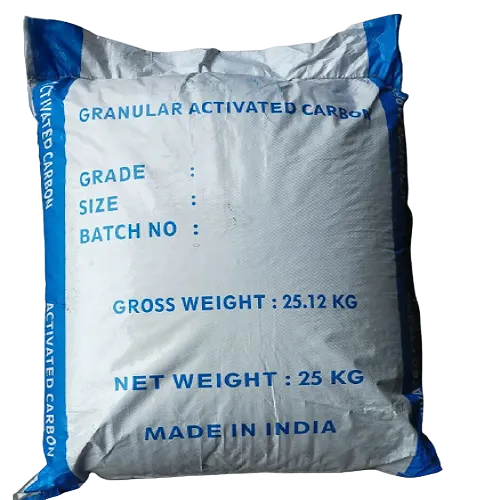
Activated carbon is a filtration media that removes odors, color, and organic contaminants from pool water through adsorption. Effective for chloramine odor, color issues, and organic contamination. Used as filtration support in sand filters or dedicated carbon filters. Replace annually when saturated. Egret Swimming Pools supplies activated carbon with expert guidance for specific water quality challenges.
Eliminate Pool Odors and Discoloration with Activated Carbon Filtration
When chemical treatments aren’t enough, activated carbon provides the specialized filtration needed to remove odors, colors, and organic contaminants. Egret Swimming Pools supplies quality activated carbon media and expert guidance for residential and commercial pool owners throughout Kenya.
- 📍 Location: Next to Total Petrol Station Kihunguro, Thika Road
- 📞 Call/WhatsApp: +254726545148
- 📧 Email: info@egretswimmingpools.co.ke | egreteswimmingpools@gmail.com
- 🕒 Working Hours: Mon – Sat 8:30AM – 5PM
Bulk orders welcome. Commercial contracts available. Let our pool chemistry specialists help you achieve odor-free, crystal-clear pool water.
Reviews
There are no reviews yet.