
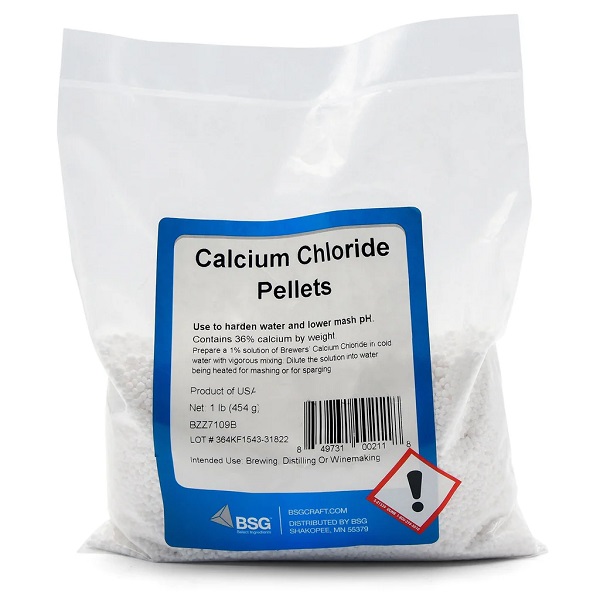
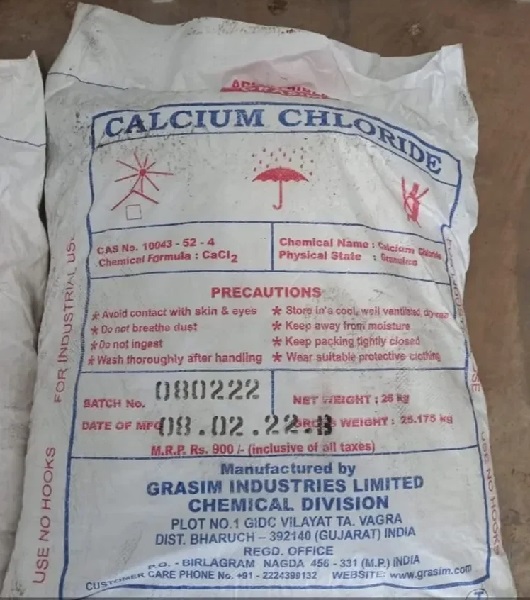
Calcium Chloride
Calcium Chloride
Calcium chloride is a pool hardness increaser that raises calcium hardness to protect pool surfaces and equipment from corrosive water. Essential for plaster pools (225-300 ppm) and important for all pool types (minimum 150 ppm). Must be pre-dissolved carefully—dissolution generates significant heat. Egret Swimming Pools supplies calcium chloride across Kenya with expert technical support for proper water balance.
Verified Technical Specifications
| Specification | Verified Information |
| Product Name | Calcium Chloride |
| Chemical Category | Additional Important Pool Chemicals |
| Active Ingredient | Calcium Chloride |
| Chemical Formula | CaCl₂ |
| Alternative Names | Calcium Hardness Increaser |
| Primary Purpose | Raises calcium hardness |
| Typical Usage | Hardness adjustment |
| Application Method | Granular/flake, dissolved before adding |
Specification details not provided in the supplied reference material. The table above reflects only information from the referenced guide.
Contact Us:
- 📍 Location: Kihunguro, Ruiru – Kiambu County
- 📞 Call/WhatsApp: +254726545148
- 📧 Email: info@egretswimmingpools.co.ke | egreteswimmingpools@gmail.com
- 🕒 Working Hours: Mon – Sat 8:30AM – 5PM
Description
Calcium Chloride – Calcium Hardness Increaser for Swimming Pools in Kenya
Product Data
| Attribute | Verified Information |
| Product Name | Calcium Chloride |
| Chemical Category | Additional Important Pool Chemicals |
| Active Ingredient | Calcium Chloride |
| Chemical Formula | CaCl₂ |
| Alternative Names | Calcium Hardness Increaser |
| Primary Purpose | Raises calcium hardness |
| Typical Usage | Hardness adjustment |
Product Overview
Calcium Chloride is a specialized swimming pool chemical used to raise calcium hardness in pool water. As a member of the additional important pool chemicals category, calcium chloride provides effective hardness adjustment that protects pool surfaces and equipment from corrosive water conditions.
Calcium hardness is one of the three pillars of pool water balance, along with pH and total alkalinity. It measures the concentration of dissolved calcium in the water. When calcium hardness is too low, water becomes aggressive and seeks to dissolve calcium from wherever it can find it—plaster surfaces, tile grout, and metal equipment—leading to etching, corrosion, and premature equipment failure. Calcium chloride provides the solution by safely and effectively raising calcium hardness to protective levels.
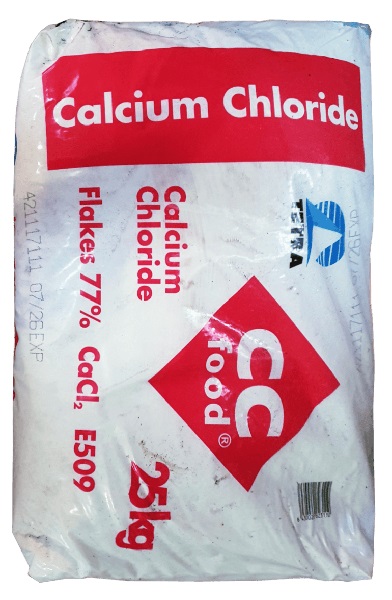
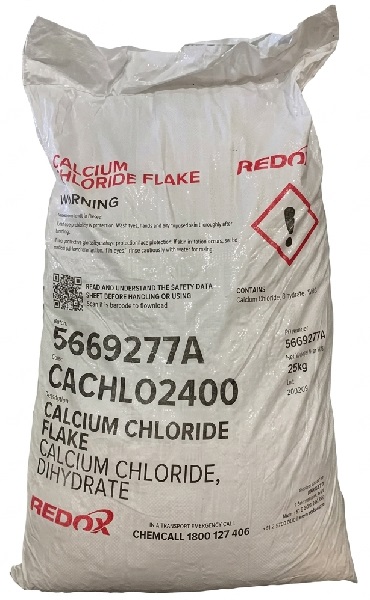
The product is typically available in granular, flake, or prill form. Calcium chloride formulations in the pool market generally come in three types: calcium flake (77-80%), calcium prills/granular (94%), and calcium powder (94%+). Different purity levels affect dosing calculations, so it is important to know which type you are using.
Calcium chloride is distinct from calcium hypochlorite, which is a chlorine compound used for disinfection. While calcium hypochlorite adds both chlorine and calcium to the water, calcium chloride is used specifically for hardness adjustment without affecting chlorine levels.
Calcium hardness is particularly important for pools with plaster or concrete surfaces. These surfaces require adequate calcium in the water to prevent the water from dissolving the plaster. For vinyl and fiberglass pools, calcium hardness is still important but the recommended levels are lower.
Egret Swimming Pools supplies Calcium Chloride to residential and commercial pool owners across Kenya. As a trusted pool chemical supplier based in Kihunguro, Ruiru, we provide quality hardness adjustment solutions backed by expert technical advice.
How It Works
Calcium chloride works by increasing the calcium ion concentration in pool water, which protects surfaces and supports overall water balance. Understanding this mechanism helps pool owners appreciate why proper calcium hardness is essential.
The Chemistry of Calcium Hardness:
- Dissociation of Calcium Chloride:
When Calcium Chloride (CaCl₂) is added to water, it dissociates into calcium ions (Ca²⁺) and chloride ions (Cl⁻):
CaCl₂ → Ca²⁺ + 2Cl⁻
The calcium ions increase the calcium hardness of the water, making it less aggressive toward calcium-containing surfaces.
- The Langelier Saturation Index (LSI):
Calcium hardness is a key component of the Langelier Saturation Index (LSI), a formula used to determine whether water is corrosive, scale-forming, or balanced.
S.I. = pH + TF + CF + AF – 12.1
- TF = Temperature Factor
- CF = Calcium Hardness Factor
- AF = Total Alkalinity Factor
The LSI indicates whether water is:
- Negative (-): Corrosive—will dissolve calcium from surfaces
- Zero: Balanced—ideal condition
- Positive (+): Scale-forming—may deposit calcium carbonate
- Surface Protection:
When calcium hardness is too low, the water is under-saturated with calcium. It will “steal” calcium from pool surfaces (plaster, grout, concrete) and metal equipment (heaters, pumps, fittings) to satisfy its demand. This causes:
- Plaster etching and pitting: Surface becomes rough and degraded
- Metal corrosion: Heater elements, pumps, and fittings are damaged
- Grout deterioration: Tile grout softens and fails
- Role in Water Balance:
Calcium provides stability to water chemistry. It is remarkably consistent when left alone and helps water chemistry behave in a more predictable way. Proper calcium levels reduce the risk of:
- Equipment corrosion and premature failure
- Surface etching and rough plaster
- Staining from metal deposits
- Water balance fluctuations
Recommended Calcium Hardness Levels:
| Pool Type | Recommended Range | Notes |
| Plaster/Concrete Pools | 225-300 ppm | Essential to prevent etching |
| Vinyl Pools | 175-225 ppm | Lower range acceptable |
| Fiberglass Pools | 175-225 ppm | Lower range acceptable |
| Minimum | 150 ppm | Below this, water is corrosive |
| Professional Recommendation | 300-500 ppm | Orenda recommends minimum 300 ppm to ensure LSI balance |
Why It Matters
Calcium hardness is one of the most important and often misunderstood aspects of pool water chemistry. Understanding why it matters helps pool owners appreciate the importance of calcium chloride in their maintenance program.
- Corrosion Prevention:
Low calcium hardness water is corrosive. It attacks metal components including heaters, pumps, fittings, and metal rails. This corrosion leads to equipment failure, leaks, and costly repairs. Calcium chloride prevents this damage by maintaining proper hardness. - Surface Protection:
Aggressive water dissolves calcium from plaster surfaces, causing etching and pitting. The surface becomes rough, discolored, and difficult to clean. Calcium chloride protects plaster and concrete surfaces by ensuring the water is saturated with calcium. - Equipment Longevity:
By preventing corrosion, proper calcium hardness extends the life of expensive pool equipment. Heaters, pumps, salt cells, and other components last longer when water is properly balanced. - Stain Prevention:
Low calcium hardness can cause metal staining. Corroding metals release ions into the water that can deposit as stains on pool surfaces. Proper hardness prevents this. - Water Clarity:
Balanced water is clearer and more sparkling. When calcium hardness is appropriate, water looks more inviting and appealing. - Regulatory Compliance:
Commercial pools must maintain hardness within regulatory ranges. Many health departments require testing and adjustment of calcium hardness. - LSI Balance:
Calcium hardness is a critical factor in the Langelier Saturation Index, the standard for determining water balance. Without proper hardness, LSI cannot be balanced.
Key Benefits
- Raises Calcium Hardness Effectively
Calcium chloride provides targeted hardness increase, raising calcium levels to the protective range for your pool type. This correction prevents corrosion and surface damage.
- Why it matters: Proper hardness protects your pool investment.
- Practical outcome: Protected surfaces and equipment, longer service life.
- Protects Plaster and Concrete Surfaces
Adequate calcium hardness prevents aggressive water from dissolving plaster, concrete, and grout. Surfaces remain smooth, intact, and attractive.
- Why it matters: Surface repair is expensive and disruptive.
- Practical outcome: Long-lasting, attractive pool surfaces.
- Prevents Equipment Corrosion
Calcium chloride stops corrosive water from attacking metal components. Heaters, pumps, and fittings last longer and perform better. - Why it matters: Equipment replacement is costly.
- Practical outcome: Extended equipment life and reduced maintenance costs.
- Supports Langelier Saturation Index Balance
Calcium hardness is essential for LSI balance. By maintaining proper hardness, you support complete water balance.
- Why it matters: LSI balance protects all aspects of water quality.
- Practical outcome: Comprehensive water balance with reduced risk.
- Reduces Staining
Preventing corrosion reduces metal ion release, which reduces staining on pool surfaces.
- Why it matters: Stains are unsightly and difficult to remove.
- Practical outcome: Attractive, stain-free surfaces.
- Essential for Heated Pools
Heating water increases its corrosive potential. Proper calcium hardness is even more important for heated pools to protect heat exchangers.
- Why it matters: Heat exchangers are expensive and vulnerable.
- Practical outcome: Protected heating equipment and longer heater life.
- Long-Lasting, Stable Chemistry
Calcium is a stable element that doesn’t fluctuate like pH or alkalinity. Once adjusted, hardness remains consistent. - Why it matters :Less frequent adjustment and more predictable chemistry.
- Practical outcome: Easier water chemistry management.
Problem-Solution Table
| Problem | Likely Cause | How Product Helps | Expected Outcome |
| Rough, etched plaster | Low calcium hardness | Raises hardness to protective level | Smooth, restored surfaces |
| Corroded metal equipment | Aggressive water | Prevents corrosion | Protected equipment |
| Discolored or cloudy water | Calcium deficiency | Balances water chemistry | Clear, sparkling water |
| Staining on surfaces | Metal corrosion | Prevents corrosion | Stain-free surfaces |
| Heater element failure | Corrosive water | Protects heat exchangers | Extended heater life |
| Tile grout deterioration | Acidic water leaching | Stabilizes chemistry | Protected grout |
| LSI imbalance | Calcium hardness too low | Corrects LSI factor | Balanced water |
Dosage & Application Guidance
Dosage requirements vary depending on manufacturer specifications, pool volume, current calcium hardness level, target hardness, and treatment objectives. Always follow product label instructions and professional water test results.
General swimming pool industry guidance for calcium chloride use:
Dosage Information:
- Flake (77-80% purity): Approximately 1 lb per 10,000 gallons raises hardness by 8-10 ppm
- Prills/Granular (94% purity): Approximately 1 lb per 10,000 gallons raises hardness by 10-12 ppm
- General rule: 1 lb of calcium chloride in 10,000 gallons raises calcium hardness by approximately 10-11 ppm
- For metric: Approximately 1.2 kg per 10,000 liters raises hardness by 10 ppm
Application Method:
- Test current calcium hardness level
- Calculate required dose based on pool volume
- Pre-dissolve in a bucket of pool water (critical for safety)
- Calcium chloride dissolution produces significant heat; use a sturdy bucket and add product slowly
- Pour dissolved solution into pool with pump running
- Run pump for 2-4 hours after application
- Re-test after 24 hours
Important Safety Notes:
- Never add undissolved calcium chloride directly to pool—it can burn pool surfaces
- Do not pre-dissolve more than recommended—excessive heat can melt plastic buckets
- Never pour calcium directly into a skimmer or gutter—can damage equipment
- Wait 2-4 hours before swimming and ensure proper circulation
Water Balance Reference Table
The values below represent general swimming pool industry guidance and are not specifications of the product described on this page. Actual operating targets may vary depending on local regulations, pool type, water source, equipment design, and operating objectives.
| Parameter | Recommended Range | Notes |
| Calcium Hardness (Plaster) | 225 – 300 ppm | Essential for surface protection |
| Calcium Hardness (Vinyl/Fiberglass) | 175 – 225 ppm | Lower acceptable range |
| Minimum Calcium Hardness | 150 ppm | Below this is corrosive |
| pH | 7.2 – 7.8 | Optimal range |
| Total Alkalinity | 80 – 120 ppm | Buffer capacity |
| Free Chlorine | 1.0 – 4.0 ppm | Effective sanitation |
| Langelier Saturation Index | -0.3 to +0.3 | Indicates water balance |
Step-by-Step Application Guide
Calcium Chloride Application:
Before Treatment:
- Test pool water for calcium hardness
- If hardness is below 150-200 ppm, adjustment is needed
- Determine target level based on pool type
- Calculate required dose based on pool volume
- Note: Approximately 1 kg per 10,000 liters raises hardness by 8-10 ppm
During Treatment (Critical Safety Steps):
- Fill a 5-gallon plastic bucket about 3/4 full with pool water
- Put on safety glasses and gloves—heat and splashes can cause burns
- Slowly pour measured calcium chloride into the bucket, stirring constantly
- Be aware of exothermic reaction—the water will get very hot
- Do not exceed 5 kg per bucket to prevent overheating
- Stir until completely dissolved
- With pump running, slowly pour the dissolved solution into the pool
- Distribute around pool perimeter
After Treatment:
- Continue pump operation for at least 2-4 hours
- Wait 24 hours before re-testing hardness
- If hardness is still below target, repeat dose
- If hardness exceeds target, may need partial drain and refill
Testing and Monitoring:
- Test hardness monthly for residential pools
- Test hardness quarterly for commercial pools
- Test whenever water is added or replenished
- Monitor LSI for comprehensive water balance
Troubleshooting:
- Hardness doesn’t rise as expected: Check dose calculation; add more
- Hardness overshoots: May need partial drain and refill
- White scale formation: Hardness may be too high; check LSI
- Cloudy water after adding: Usually temporary; ensure proper circulation
Kenya & East Africa Usage Guide
Calcium chloride is particularly important in Kenya’s pool environment due to regional factors affecting hardness:
- Evaporation Concentration:
Kenya’s warm climate and high evaporation rates concentrate minerals in pool water. This can cause calcium hardness to rise over time. However, when pools are topped up with soft water, hardness can become diluted and drop below recommended levels. - Water Source Variability:
Different regions in Kenya have vastly different water hardness. In areas with naturally soft water, calcium chloride is frequently needed. In areas with hard water, hardness may be adequate or even high. Always test your specific water. - Plaster Pool Prevalence:
Many pools in Kenya have plaster or concrete surfaces. These pools require adequate calcium hardness to prevent etching and surface degradation. - Commercial Pool Challenges:
Hotels and resorts with high water turnover due to splash-out and backwashing may experience hardness dilution. Calcium chloride maintains proper levels. - Seasonal Variations:
Rainy seasons introduce soft water that can dilute hardness. Calcium chloride may be needed more frequently during these periods. - Coastal Pools:
Coastal areas may have different water chemistry patterns. Regular testing is essential for proper hardness management.
Commercial Applications
Calcium chloride is essential for commercial pool operations:
- Hotels and Resorts:
Surface protection is critical for commercial pools with high usage. Calcium chloride prevents corrosion and surface damage that would be costly to repair. - Water Parks:
Large facilities with plaster surfaces require proper hardness to prevent degradation. Regular monitoring and adjustment are essential. - Schools and Universities:
Educational facilities need to protect their pool investment. Calcium chloride supports long-term surface and equipment protection. - Health Clubs and Gyms:
Member satisfaction depends on attractive, well-maintained pools. Hardness management supports surface appearance. - Apartment Complexes:
Property managers protect shared pool investments with proper hardness maintenance. - Pool Maintenance Companies:
Professional service providers include calcium hardness testing and adjustment in comprehensive maintenance programs.
Residential Applications
Calcium chloride serves residential pool owners:
- Private Homes:
Homeowners use calcium chloride to maintain proper hardness and protect their pool investment. - Holiday Homes:
Properties used intermittently may experience chemistry changes. Calcium chloride restores proper hardness as needed. - Airbnb Properties:
Investment property owners maintain water balance for guest satisfaction and asset protection.
Safety & Handling
Calcium chloride requires careful handling due to its exothermic properties:
Storage:
- Store in a cool, dry place
- Keep away from moisture and humidity
- Store away from other pool chemicals
- Keep containers tightly sealed
Personal Protective Equipment (PPE):
- Safety glasses or goggles (essential)
- Chemical-resistant gloves
- Long sleeves and pants
Handling Precautions:
- Exothermic reaction: Calcium chloride generates significant heat when dissolved
- Use a sturdy plastic bucket rated for high temperatures
- Add product slowly to prevent overheating
- Do not exceed recommended amount per bucket
- Never add undissolved calcium to pool—it can burn surfaces
- Never pour directly into skimmer or gutter
Spill Response:
- Sweep up dry spills
- Avoid creating dust
- Flush area with water
- Prevent entry into drains
Environmental Considerations:
- Calcium chloride is generally environmentally benign
- Avoid large releases into water bodies
- Follow local disposal regulations
First Aid:
- Eye contact: Flush with water for 15 minutes; seek medical attention
- Skin contact: Wash with soap and water
- Inhalation: Move to fresh air
- Ingestion: Drink water; do not induce vomiting; seek medical attention
Product Comparison
Calcium chloride is compared with calcium hypochlorite:
| Feature | Calcium Chloride | Calcium Hypochlorite |
| Chemical Formula | CaCl₂ | Ca(OCl)₂ |
| Primary Purpose | Raises calcium hardness | Chlorine disinfection |
| Chlorine Addition | None | Significant |
| Calcium Addition | Significant | Significant |
| pH Effect | Mild | Raises pH |
| Use Case | Hardness adjustment | Sanitation/shocking |
| Application | Pre-dissolve, add to pool | Dissolve, shock treatment |
Cross-Selling Recommendations
- Calcium Hardness Test Kit
Regular testing is essential. A dedicated hardness test kit supports accurate monitoring. - DPD Tablets
Monitor chlorine levels alongside hardness. DPD Tablets provide accurate chlorine measurement. - pH Plus or pH Minus
Maintain proper pH for comprehensive water balance. Hardness works with pH for LSI balance. - Sodium Bicarbonate
Alkalinity is another pillar of water balance. Use alongside calcium for complete balance. - Pool Water Test Kit
A comprehensive test kit measuring pH, alkalinity, hardness, and chlorine enables complete water balance management.
Buying Guide
How to Choose Calcium Chloride
- Purity: Higher purity (94% prills) requires less product than flake (77-80%)
- Form: Granular/prills dissolve readily; flake is common
- Quantity: Based on pool size and expected frequency of use
- Type: Ensure you are buying calcium chloride, not calcium hypochlorite
Common Mistakes to Avoid
- Not testing first: Always test before adding any chemicals
- Adding undissolved product: Always pre-dissolve to avoid surface damage
- Ignoring exothermic reaction: Be aware of heat generation
- Adding too much: Hardness is difficult to reduce; add in stages
- Confusing with calcium hypochlorite: These are different products with different purposes
- Using too hot water: Pre-dissolve in pool water, not hot water
What Professionals Recommend
- Test calcium hardness at least monthly
- Maintain minimum 150 ppm; 225-300 ppm for plaster pools
- Pre-dissolve calcium chloride in a bucket for safety
- Monitor LSI for comprehensive balance
- Address hardness before pH if both need adjustment
Calcium Chloride- FAQs
- What is calcium chloride used for in pools?
Calcium chloride is used to raise calcium hardness in pool water, preventing corrosion and protecting pool surfaces and equipment. - How is calcium chloride different from calcium hypochlorite?
Calcium chloride is a hardness increaser; calcium hypochlorite is a chlorine disinfectant that also adds calcium. They are different products for different purposes. - What is the ideal calcium hardness level for my pool?
For plaster pools, maintain 225-300 ppm. For vinyl and fiberglass pools, maintain 175-225 ppm. - How do I add calcium chloride to my pool?
Always pre-dissolve calcium chloride in a bucket of pool water before adding. Never add undissolved product directly to the pool—it can burn surfaces. - Why does calcium chloride get hot when dissolved?
The dissolution of calcium chloride is an exothermic reaction, generating significant heat. Handle with caution. - How often should I test calcium hardness?
Test calcium hardness monthly for residential pools and quarterly for commercial pools. - Can I swim immediately after adding calcium chloride?
Wait 2-4 hours for the product to fully circulate and dissolve before swimming.
Calcium Chloride- Summary
Calcium chloride is a pool chemical that raises calcium hardness to protect surfaces and equipment from corrosive water. Essential for plaster pools (225-300 ppm) and important for all pool types (minimum 150 ppm). Must be pre-dissolved carefully due to exothermic heat generation. Egret Swimming Pools supplies calcium chloride with expert guidance for proper water balance.
Protect Your Pool Surfaces and Equipment with Proper Hardness
Don’t let corrosive water damage your pool investment. Egret Swimming Pools provides quality calcium chloride and expert water chemistry guidance for residential and commercial pool owners throughout Kenya.
- 📍 Location: Kihunguro, Ruiru – Kiambu County
- 📞 Call/WhatsApp: +254726545148
- 📧 Email: info@egretswimmingpools.co.ke | egreteswimmingpools@gmail.com
- 🕒 Working Hours: Mon – Sat 8:30AM – 5PM
Bulk orders welcome. Commercial contracts available. Let our pool chemistry specialists help you achieve complete water balance.
Reviews
There are no reviews yet.