
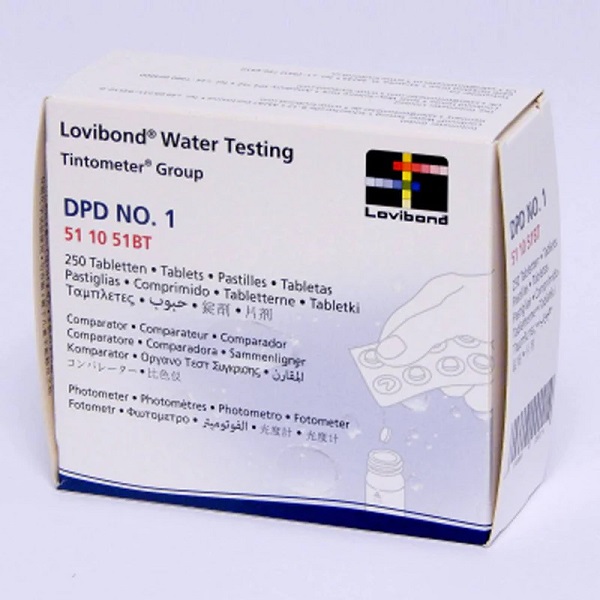
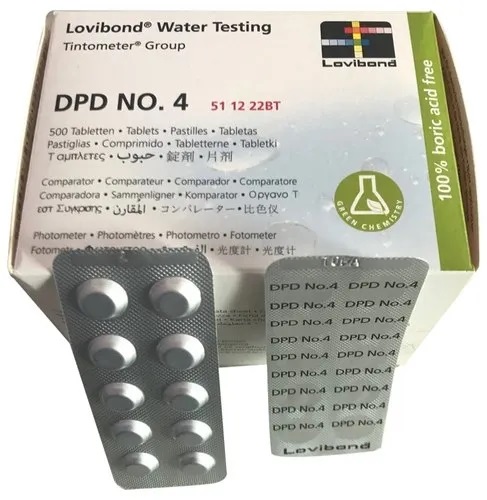
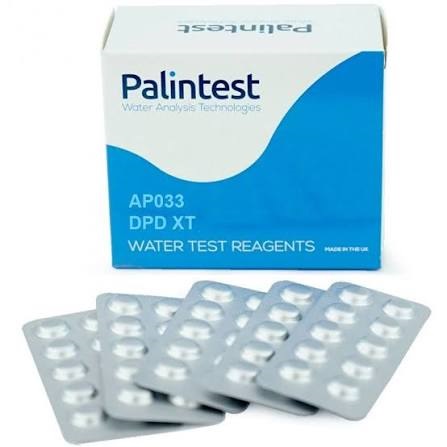
DPD Tablets
DPD Tablets
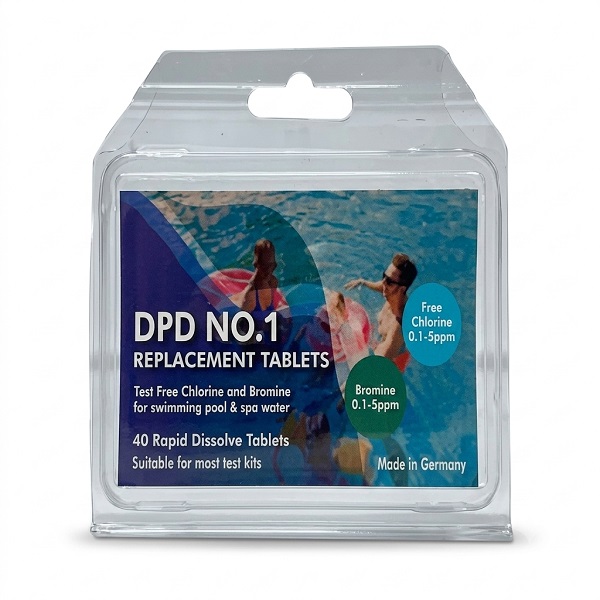
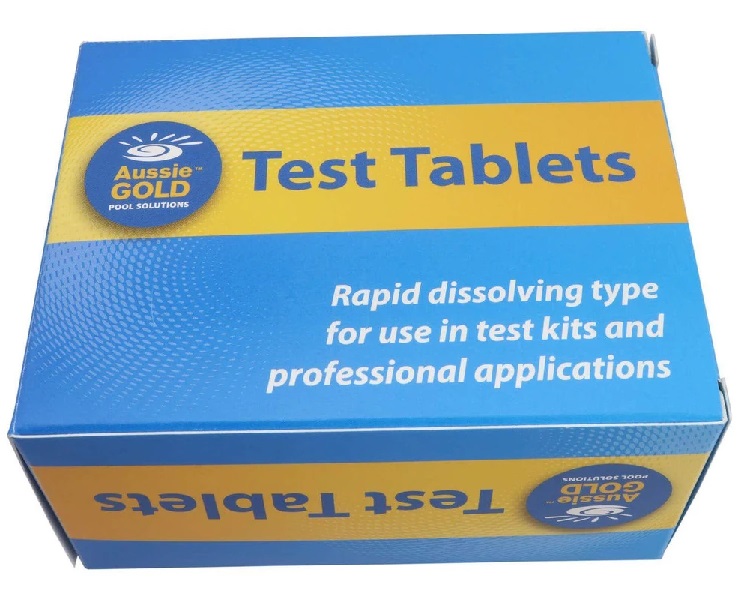
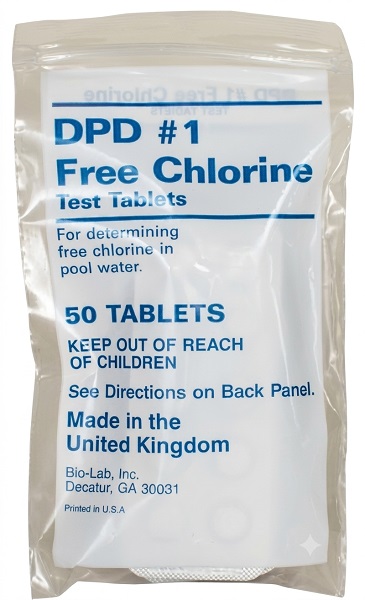
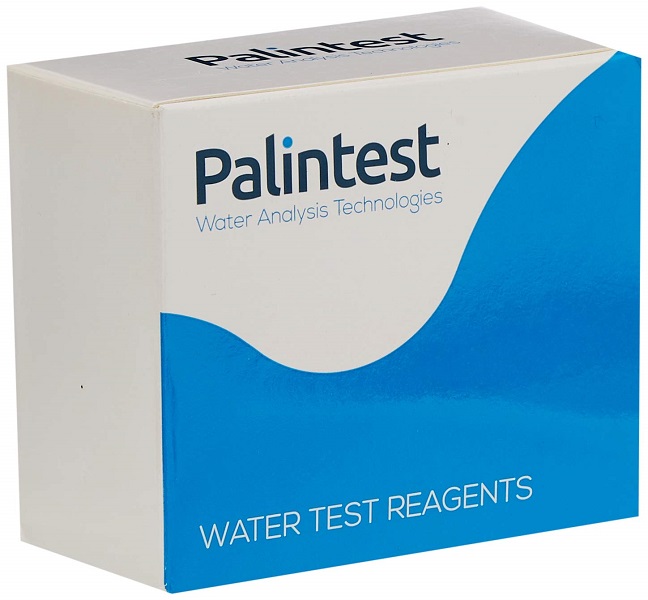
DPD Tablets are professional-grade chlorine testing reagents for accurate pool water chlorine measurement. Distinguish between free and combined chlorine for complete water quality diagnosis. Essential for safe, effective pool water management. Easy to use with any chlorine test kit. Egret Swimming Pools supplies DPD Tablets across Kenya with expert technical support for accurate water testing.
Verified Technical Specifications
| Specification | Verified Information |
| Product Name | DPD Tablets |
| Chemical Category | Water Testing Chemicals |
| Active Ingredient | Diethyl-p-Phenylenediamine Reagent |
| Chemical Formula | Specification not provided in supplied reference material |
| Alternative Names | Chlorine Test Tablets |
| Primary Purpose | Tests chlorine concentration |
| Typical Usage | Water testing |
| Application Method | Tablet added to water sample |
Specification details not provided in the supplied reference material. The table above reflects only information from the referenced guide.
Contact us:
- 📍 Location: Kihunguro, Ruiru – Kiambu County
- 📞 Call/WhatsApp: +254726545148
- 📧 Email: info@egretswimmingpools.co.ke | egreteswimmingpools@gmail.com
- 🕒 Working Hours: Mon – Sat 8:30AM – 5PM
Description
DPD Tablets – Chlorine Testing Reagent for Swimming Pools in Kenya
Product Data
| Attribute | Verified Information |
| Product Name | DPD Tablets |
| Chemical Category | Water Testing Chemicals |
| Active Ingredient | Diethyl-p-Phenylenediamine Reagent |
| Chemical Formula | Not specified in reference material |
| Alternative Names | Chlorine Test Tablets |
| Primary Purpose | Tests chlorine concentration |
| Typical Usage | Water testing |
Product Overview
DPD Tablets are specialized water testing reagents used to measure chlorine concentration in swimming pool water. As a member of the water testing chemicals category, DPD Tablets contain Diethyl-p-Phenylenediamine (DPD) reagent as their active ingredient, providing accurate and reliable chlorine measurement for effective pool water treatment and quality management.
Water testing is the foundation of proper pool maintenance. Without accurate testing, pool owners cannot determine whether chlorine levels are adequate for sanitation, whether pH is balanced, or whether other chemical parameters are within appropriate ranges. DPD Tablets provide the most reliable method for chlorine testing, delivering accurate results that inform treatment decisions.
DPD testing is the industry standard for chlorine measurement. Unlike simple test strips that provide approximate readings, DPD testing provides precise, quantitative results. The DPD method is recognized by health authorities, regulatory bodies, and pool professionals worldwide as the preferred method for chlorine testing in swimming pools.
The DPD method works through a colorimetric reaction: when DPD reagent is added to a water sample containing chlorine, it produces a color change proportional to the chlorine concentration. The intensity of the pink or red color indicates the chlorine level, which can be measured by visual comparison to a color chart or using a photometer for even greater accuracy.
DPD testing is particularly valued for its ability to distinguish between free chlorine, combined chlorine, and total chlorine. This distinction is essential for diagnosing water quality problems—high combined chlorine indicates the presence of chloramines (the cause of “chlorine smell” and eye irritation), while low free chlorine suggests inadequate sanitation.
DPD Tablets are available in various forms for different testing requirements. Some tablets test for free chlorine only, while others test for total chlorine or both. The choice of tablet depends on the testing protocol and the information needed.
Egret Swimming Pools supplies DPD Tablets to residential and commercial pool owners across Kenya. As a trusted pool chemical supplier based in Kihunguro, Ruiru, we provide quality water testing solutions backed by expert technical advice.
How It Works
DPD Tablets operate through a well-established colorimetric chemical reaction that provides accurate chlorine measurement. Understanding how DPD testing works helps pool owners appreciate why this method is the industry standard.
The Chemistry of DPD Testing:
The DPD method is based on the reaction between DPD indicator and chlorine in the water sample:
- Free Chlorine Reaction:
When DPD reagent is added to a water sample containing free chlorine (hypochlorous acid or hypochlorite ion), the DPD indicator is oxidized, producing a pink or magenta color:
DPD (colorless) + Free Chlorine → DPD oxidized (pink/magenta)
The intensity of the color is directly proportional to the free chlorine concentration.
- Combined Chlorine Measurement:
To measure combined chlorine, a different approach is used. The DPD method can distinguish between free and combined chlorine through a two-step process: - Step 1: Add DPD reagent to measure free chlorine (immediate color development)
- Step 2: Add potassium iodide to the same sample, which causes combined chlorine to react with DPD (additional color development)
The difference between the two readings gives the combined chlorine concentration.
- Total Chlorine Measurement:
Total chlorine is the sum of free chlorine and combined chlorine. Some DPD tablets are formulated to test total chlorine directly by including the iodide in the tablet formulation. - Color Development and Measurement:
The developed color is measured using one of two methods:
- Visual Comparison: The sample color is compared to a standardized color chart. While simple, this method is subject to human interpretation and lighting conditions.
- Photometric Measurement: A photometer or colorimeter measures the color intensity precisely. This method provides more accurate and reproducible results.
Interpreting DPD Test Results:
| Parameter | Meaning | Interpretation |
| Free Chlorine | Active disinfectant available | Should be 1-4 ppm |
| Combined Chlorine | Chlorine bound to contaminants | Should be <0.5 ppm |
| Total Chlorine | Free + Combined | Sum of free and combined |
DPD vs. Test Strips:
| Feature | DPD Tablets | Test Strips |
| Accuracy | High | Low-Moderate |
| Precision | Quantitative | Semi-quantitative |
| Distinguishes Free/Combined | Yes | Limited |
| Interference | Low | Higher |
| Cost | Higher | Lower |
| Ease of Use | Moderate | Simple |
Why Accurate Chlorine Testing Matters
Accurate chlorine testing is one of the most critical aspects of pool water management. Understanding why DPD testing matters helps pool owners appreciate the importance of accurate chlorine measurement.
- Swimmer Health Protection:
The primary purpose of pool chlorine is protecting swimmer health. Without accurate testing, pool owners cannot be sure that chlorine levels are adequate to destroy harmful pathogens. Inadequate chlorine levels can lead to waterborne illness outbreaks. DPD testing provides the confidence that chlorine levels are sufficient for health protection. - Prevention of Chlorine Problems:
Incorrect chlorine levels cause various problems. Low chlorine leads to algae growth and bacterial contamination. High chlorine causes eye and skin irritation and can damage equipment. Combined chlorine (chloramines) causes the unpleasant “chlorine smell” and respiratory irritation. DPD testing diagnoses these conditions, allowing corrective action. - Regulatory Compliance:
Commercial pools must meet regulatory requirements for chlorine levels. DPD testing is the approved method for demonstrating compliance with health regulations. Regular testing records provide evidence of proper water quality management. - Cost-Effective Chemical Use:
Without accurate testing, pool owners may over-chlorinate or under-chlorinate. Over-chlorination wastes chemicals and causes problems. Under-chlorination allows water quality to deteriorate, requiring more expensive remedial treatments. DPD testing optimizes chemical use. - Improved Swimming Experience:
Proper chlorine levels ensure comfortable swimming without eye irritation, skin problems, or unpleasant odors. DPD testing helps maintain optimal water quality for swimmers. - Early Warning System:
DPD testing can detect developing problems before they become serious. Rising combined chlorine levels indicate organic contamination and the need for shock treatment. Regular testing provides this early warning. - Professional Standard:
DPD testing is the method used by pool professionals worldwide. Using this professional standard provides confidence in water quality management.
Key Benefits
- Accurate Chlorine Measurement
DPD Tablets provide reliable, accurate chlorine measurement that helps pool owners maintain proper water quality. The DPD method is recognized as the industry standard for chlorine testing.
- Why it matters: Accurate testing is essential for safe, comfortable pool water.
- Practical outcome: Confidence in chlorine levels and water quality.
- Distinguishes Free, Combined, and Total Chlorine
DPD testing enables distinction between free chlorine (active disinfectant), combined chlorine (chloramines), and total chlorine. This distinction is essential for proper water quality management.
- Why it matters: High combined chlorine indicates problems that simple tests may not reveal.
- Practical outcome: Comprehensive chlorine analysis for complete water quality diagnosis.
- Easy to Use and Reliable
DPD Tablets are simple to use, requiring only a small water sample and a color comparator or photometer. The tablets dissolve readily and provide consistent results. - Why it matters: Reliable testing should not require complex procedures or specialized skills.
- Practical outcome: Straightforward chlorine testing for all pool owners.
- Professional-Grade Testing
DPD Tablets provide professional-grade testing that meets the standards of commercial pool operators and health authorities.
- Why it matters: Professional testing provides professional results.
- Practical outcome: Confidence that testing meets regulatory standards.
- Detects Chlorine Levels Accurately Across Range
DPD Tablets provide accurate results across the chlorine range encountered in pool water, from low levels (0.1 ppm) to high levels (up to 10 ppm or more with dilution).
- Why it matters: Comprehensive testing capability for all pool conditions.
- Practical outcome: Reliable testing regardless of chlorine concentration.
- Long Shelf Life When Stored Properly
DPD Tablets maintain their potency for extended periods when stored in cool, dry conditions away from moisture and sunlight.
- Why it matters: Testing reagents should be reliable when needed.
- Practical outcome: Consistent performance over time.
- Essential for Professional Pool Management
DPD testing is the foundation of professional pool management. Regular DPD testing supports informed decisions about chlorine dosing, shock treatment timing, and overall water quality management. - Why it matters: Professional results require professional testing.
- Practical outcome: Science-based water quality management.
Problem-Solution Table
| Problem | Likely Cause | How Product Helps | Expected Outcome |
| Eye irritation | Chloramine buildup | Detects combined chlorine | Identifies need for shock treatment |
| “Chlorine smell” | Combined chlorine | Distinguishes free from combined | Diagnoses problem |
| Algae growth | Low free chlorine | Accurately measures free chlorine | Informs proper dosing |
| Unsure if chlorine is adequate | No testing or inaccurate testing | Provides accurate measurement | Confidence in water quality |
| Regulatory compliance need | Need to document chlorine levels | Provides reliable test results | Compliance documentation |
| Skin irritation | Improper chlorine levels | Accurate measurement identifies problems | Diagnoses issues |
| Equipment damage | Improper chlorine levels | Supports accurate maintenance | Prevents damage |
Dosage & Application Guidance
DPD Tablets are used for testing, not treatment. Follow the testing procedure below:
General Testing Procedure:
- Fill testing cell with pool water to the marked line
- Add one DPD tablet to the sample
- Crush tablet using a tablet crusher or similar tool
- Swirl to dissolve completely
- Wait the specified time (typically 1-2 minutes)
- Compare color to standard chart or read with photometer
Important Notes:
- Follow manufacturer instructions for specific DPD tablet type (free chlorine vs. total chlorine)
- Use clean testing cells and fresh reagents
- Test in good lighting conditions (but not direct sunlight)
- Test water from at least 30-45 cm depth
- Test at consistent times for meaningful trend tracking
Water Balance Reference Table
The values below represent general swimming pool industry guidance. DPD testing results should be interpreted against these targets:
| Parameter | Recommended Range | DPD Testing Role |
| Free Chlorine | 1.0 – 4.0 ppm | Primary measurement |
| Combined Chlorine | < 0.5 ppm | Secondary measurement |
| Total Chlorine | 1.5 – 4.5 ppm | Calculated from free + combined |
| pH | 7.2 – 7.8 | Separate test required |
| Total Alkalinity | 80 – 120 ppm | Separate test required |
| Calcium Hardness | 250 – 350 ppm | Separate test required |
Step-by-Step Application Guide
DPD Chlorine Testing (Free Chlorine):
Before Testing:
- Ensure testing cell and equipment are clean
- Collect water sample from elbow depth (30-45 cm below surface)
- Fill testing cell to the marked line
During Testing:
- Add one DPD tablet to the sample
- Use tablet crusher to crush the tablet
- Swirl until completely dissolved
- Wait the specified time (typically 1-2 minutes)
- Avoid exposing to direct sunlight during color development
After Testing:
- If using visual comparator: Match color to chart
- If using photometer: Insert into photometer and read
- Record the result
- Dispose of sample safely
Combined Chlorine Testing:
- Perform free chlorine test as above
- Add one tablet to the same sample (or use combined chlorine tablet)
- Crush and dissolve
- Wait specified time
- Read the new color
- The difference between the two readings is combined chlorine
Testing and Monitoring:
- Test chlorine daily for residential pools
- Test chlorine multiple times daily for commercial pools
- Record results for trend tracking
- Test at the same time each day for consistency
- Test before and after chemical additions
Kenya & East Africa Usage Guide
DPD Tablets are essential for accurate water quality management in Kenya:
- High Chlorine Demand:
Kenya’s intense sunlight and warm temperatures cause higher chlorine demand. Regular DPD testing is essential to ensure chlorine levels remain adequate despite rapid consumption. - Commercial Pool Monitoring:
Hotels, resorts, and other commercial facilities must maintain regulatory compliance. DPD testing provides the reliable results needed for compliance documentation. - Residential Pool Management:
Homeowners need accurate testing to maintain water quality. DPD Tablets provide the reliability needed for confident pool care. - Tourism Industry Demands:
Kenya’s tourism industry cannot afford water quality problems. DPD testing supports the rigorous water quality programs needed for guest satisfaction. - Coastal and Inland Differences:
Coastal pools may face different challenges than inland pools. DPD testing helps pool operators adapt to local conditions. - Water Source Variability:
Different water sources affect pool chemistry. DPD testing helps manage these variations effectively.
Commercial Applications
DPD Tablets are essential for commercial pool operations:
- Hotels and Resorts:
Regular DPD testing documents compliance and supports guest safety. Records provide evidence of proper water quality management. - Schools and Universities:
Educational facilities must maintain safe pool water. DPD testing supports this requirement. - Health Clubs and Gyms:
Member safety demands accurate testing. DPD Tablets provide the reliability needed. - Water Parks:
High bather loads require frequent monitoring. DPD testing supports rigorous monitoring programs. - Apartment Complexes:
Property managers use DPD testing to document water quality and maintain resident confidence. - Pool Maintenance Companies:
Professional service providers rely on DPD testing for accurate diagnostics and treatment decisions.
Residential Applications
DPD Tablets serve residential pool owners:
- Private Homes:
Homeowners use DPD testing to maintain proper chlorine levels and swimming comfort. - Holiday Homes:
Properties used intermittently need testing before use. DPD Tablets provide reliable results. - Airbnb Properties:
Investment property owners ensure guest safety with accurate testing.
Safety & Handling
DPD Tablets are generally safe when handled properly:
Storage:
- Store in a cool, dry place
- Keep away from moisture and direct sunlight
- Store away from other chemicals
- Keep containers tightly sealed
Personal Protective Equipment (PPE):
- Avoid skin and eye contact
- Wash hands after use
- Do not ingest
Handling Precautions:
- Do not inhale dust
- Keep away from children and pets
- Use only for intended purpose
Disposal:
- Dispose of used samples as household waste
- Follow local disposal regulations
First Aid:
- Eye contact: Flush with water; seek medical attention
- Skin contact: Wash with soap and water
- Ingestion: Seek immediate medical attention
Product Comparison
DPD Tablets are compared with other chlorine testing options:
| Feature | DPD Tablets | Test Strips | Electronic Meters |
| Active Ingredient | DPD Reagent | Various indicators | Electrochemical sensors |
| Accuracy | High | Low-Moderate | High (calibrated) |
| Precision | Good | Limited | Excellent |
| Distinguishes Free/Combined | Yes | Limited | Yes |
| Cost | Moderate | Low | High (initial) |
| Ease of Use | Moderate | Very easy | Moderate |
| Professional Standard | Yes | No | Yes |
Cross-Selling Recommendations
- pH Test Kit
Combine DPD testing with pH testing for complete water quality assessment. - Alkalinity Test Kit
Total alkalinity testing supports water balance management alongside chlorine testing. - Calcium Hardness Test Kit
Hardness testing completes water balance assessment. - Chlorine Sanitizer
Ensure you have appropriate chlorine products to adjust levels based on DPD test results. - Shock Chlorine
When DPD testing shows high combined chlorine or low free chlorine, shock treatment may be needed.
Buying Guide
How to Choose DPD Tablets
- Type: Free chlorine, total chlorine, or combined chlorine tablets based on testing needs
- Quantity: Purchase appropriate quantity for testing frequency
- Form: Tablets are standard; consider liquid DPD for some applications
- Compatibility: Ensure tablets are compatible with your testing equipment
Common Mistakes to Avoid
- Using expired tablets: Check expiration dates
- Inadequate storage: Exposure to moisture and heat degrades tablets
- Incorrect tablet quantity: Use the specified number of tablets
- Insufficient dissolution: Ensure tablets fully dissolve
- Wrong sample timing: Follow specified wait times
What Professionals Recommend
- Use DPD Tablets for accurate chlorine testing
- Test chlorine daily; multiple times daily for commercial pools
- Distinguish between free and combined chlorine
- Record results for trend tracking
- Replace reagents regularly
FAQs About DPD Tablets
- What are DPD Tablets used for?
DPD Tablets are used to test chlorine concentration in swimming pool water, distinguishing between free and combined chlorine. - How do DPD Tablets work?
DPD Tablets contain DPD reagent that reacts with chlorine to produce a pink/magenta color proportional to chlorine concentration. - What is the difference between free and combined chlorine?
Free chlorine is active disinfectant; combined chlorine (chloramines) is chlorine bound to contaminants causing odor and irritation. - How often should I test chlorine with DPD Tablets?
Daily for residential pools; multiple times daily for commercial pools. - What chlorine level should DPD testing show?
Free chlorine should be 1-4 ppm; combined chlorine should be less than 0.5 ppm. - Can DPD Tablets replace my test strips?
Yes, DPD Tablets provide more accurate results than test strips and are the professional standard. - How long do DPD Tablets last?
DPD Tablets have a shelf life of 1-2 years when stored properly in a cool, dry place.
DPD Tablets- Summary
DPD Tablets are chlorine testing reagents containing DPD indicator for accurate pool water chlorine measurement. Distinguished by their ability to measure free chlorine and combined chlorine separately. The professional standard for pool chlorine testing. Essential for safe, effective pool water management. Egret Swimming Pools supplies DPD Tablets with expert guidance for accurate water testing.
Test with Confidence Using Professional-Grade DPD Tablets
Accurate chlorine testing is the foundation of safe pool water. Egret Swimming Pools provides DPD Tablets and expert water testing guidance for residential and commercial pool owners throughout Kenya.
- 📍 Location: Kihunguro, Ruiru – Kiambu County
- 📞 Call/WhatsApp: +254726545148
- 📧 Email: info@egretswimmingpools.co.ke | egreteswimmingpools@gmail.com
- 🕒 Working Hours: Mon – Sat 8:30AM – 5PM
Bulk orders welcome. Commercial contracts available. Let our pool chemistry specialists help you implement effective water testing programs.

Reviews
There are no reviews yet.