How to Choose the Best Reverse Osmosis Water Purifiers
Water is essential for life, but not all water is safe to drink. Tap water may contain contaminants such as chlorine, fluoride, lead, arsenic, pesticides, and bacteria that can affect your health and taste. Bottled water is not always a reliable or eco-friendly alternative, as it may be expensive, wasteful, and of questionable quality. That’s why many people opt for reverse osmosis water purifiers, which are one of the most effective forms of water filtration available. In this post, we will discuss in details how to choose the best reverse osmosis water purifiers.
How do reverse osmosis water purifiers work?
Reverse osmosis (RO) systems work by pushing water through a semi-permeable membrane that has microscopic pores, which only allow water molecules to pass through and trap any larger impurities. This way, RO systems can remove up to 99% of dissolved solids, metals, chemicals, and microorganisms from your water, leaving you with pure, refreshing, and great-tasting water.
But how do you choose the best RO water purifier for your home or business? There are many factors to consider, such as the size, capacity, features, performance, and cost of the RO system. In this blog post, we will guide you through some of the key aspects you need to look for when buying a RO water purifier. Let us look at some of the most important factors to consider when buying a reverse osmosis water purifier below.
How to choose the best reverse osmosis water purifiers
Purpose of the RO purifier
The first thing you need to consider is the purpose of the reverse osmosis system you are buying. Is it for domestic use or commercial use? There are mainly two categories of RO systems available in the market: commercial and domestic. The main difference between them is the output capacity.
As the name suggests, commercial RO systems are used for commercial purposes, such as purifying water for industrial use at a large scale. They are used by water refilling station and water bottling firms,, beverage production companies, hospitals for dialysis purposes, medicine production, high-end hotels for preparing meals and beverages like coffee, liquid chemical production, etc.
On the other hand, the domestic RO purifiers are small scale in nature and mostly installed under the sink for purifying drinking and cooking water in your house. They have a lower output capacity.
Size and Capacity
RO systems come in different sizes and capacities, ranging from small, portable units that can fit in a backpack, to large, commercial-grade systems that can produce thousands of gallons of water per day. The first thing you need to consider is how much space you have under your sink or on your countertop, and how much water you need to filter per day.
The size and capacity of the RO system will affect its installation, maintenance, and water efficiency. Generally, larger systems will require more plumbing and electrical work, more frequent filter changes, and more water wastage. Smaller systems will be easier to install and maintain, but they may not produce enough water to meet your daily needs.
To determine the optimal size and capacity of the RO system for your situation, you need to calculate your average water consumption and compare it to the output of the RO system.
You can check the product specifications of the RO system to find out its output, which is usually measured in liters per hour. You should choose a RO system that has a higher output than your water demand, to account for any fluctuations or emergencies.
Features and Performance
The next thing you need to consider is the features and performance of the RO system, which will affect the quality, taste, and safety of your water. RO systems vary in the number and type of filters they use, the amount of water they waste, the speed of water production, and the additional functions they offer.
Filters
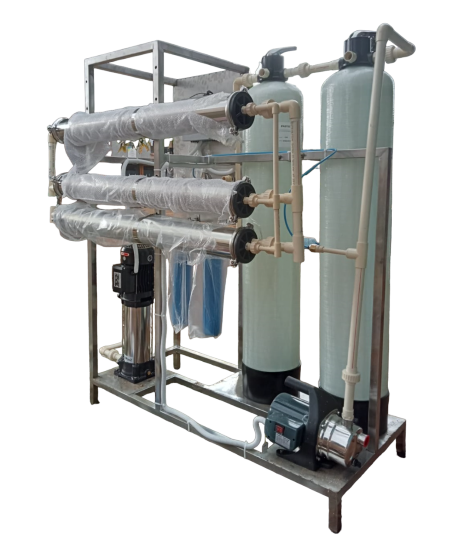 The most important component of the RO system is the filter, which determines what contaminants are removed from your water. Most RO systems use multiple stages of filtration, each with a different function and lifespan. The common stages of filtration are:
- Pre-filters: These are the first stage of filtration, which remove large particles such as sediment, rust, sand, and dirt from the water. They also protect the RO membrane from clogging and damage. Pre-filters usually include a sediment filter and one or more carbon filters, which also reduce chlorine, chloramine, and organic compounds that can affect the taste and odor of the water. Pre-filters typically last 6-12 months before they need to be replaced.
- RO membrane: This is the core of the RO system, which removes up to 99% of dissolved solids, metals, chemicals, and microorganisms from the water. The RO membrane is a thin, semi-permeable film that has microscopic pores, which only allow water molecules to pass through and trap any larger impurities. The RO membrane usually lasts 2-4 years before it needs to be replaced.
- Post-filters: These are the final stage of filtration, which polish the water and enhance its taste and quality. Post-filters usually include a carbon filter, which removes any residual chlorine, chloramine, and organic compounds from the water. Some RO systems also have a remineralization filter, which adds back beneficial minerals such as calcium and magnesium to the water, which are removed by the RO membrane. This improves the pH balance, alkalinity, and flavor of the water. Post-filters typically last 6-12 months before they need to be replaced.
When choosing a RO system, you should look for one that has at least four stages of filtration, including a sediment filter, a carbon filter, a RO membrane, and a post-carbon filter. You should also check the pore size of the RO membrane, which indicates how effective it is at removing contaminants. The smaller the pore size, the better the filtration.
The standard pore size for RO membranes is 0.0001 microns, which can remove most contaminants from the water. However, some RO systems have even smaller pore sizes, such as 0.00001 microns, which can remove viruses and bacteria from the water.
For example, a reverse osmosis water filtration system that has a pore size of 0.00001 microns, can remove 99.99% of over 1,000 contaminants from the water, including viruses and bacteria.
Water Waste
Another factor to consider is the amount of water waste that the RO system produces. RO systems work by applying high pressure to the water, which forces it through the RO membrane and leaves behind a concentrated solution of contaminants, known as brine or reject water. This water is then flushed down the drain, along with the impurities it contains. This means that RO systems use more water than they produce, which can increase your water bill and environmental impact.
 The ratio of water waste to water production is known as the recovery rate, which is usually expressed as a percentage. The higher the recovery rate, the less water the RO system wastes. The average recovery rate for RO systems is 25%, which means that for every gallon of filtered water, the RO system wastes three gallons of water. However, some RO systems have higher recovery rates, such as 50% or even 75%, which means that they waste less water and are more water-efficient.
When choosing a RO system, you should look for one that has a high recovery rate, or one that has a water-saving feature, such as a permeate pump or a booster pump. A permeate pump is a device that uses the pressure of the waste water to increase the pressure of the feed water, which reduces the amount of water waste and improves the water production.
A booster pump is a device that increases the water pressure of the feed water, which also reduces the amount of water waste and improves the water production. Both devices can enhance the performance and efficiency of the RO system, especially if you have low water pressure in your area.
For example, a Reverse Osmosis Water Filtration System that has a recovery rate of 25%, means that it wastes three liters of water for every 1 liter of filtered water. One that has a recovery rate of 50%, means that it wastes only one liter of water for every liter of filtered water.
Water Output Speed
Another factor to consider is the speed of water production that the RO system offers. Commercial RO systems take less time to filter the water than domestic water purifiers. However, the working mechanism is almost the same. They push water through multiple stages of filtration and a very fine RO membrane. This means that you may have to wait for a few minutes to get sufficient filtered water for your use, depending on the output and capacity of the RO system.
To overcome this limitation, investing in a storage water tank is very advisable because you can leave the purifier running when you are not in urgent need of water.
How to choose the best reverse osmosis water purifiers- conclusion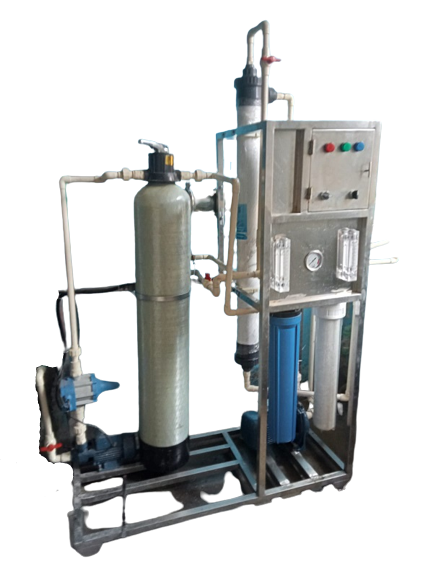
We hope the guide above on how to choose the best reverse osmosis water purifiers has been an eye opener to you. If you can put the points discussed above into consideration, you will be able to make an informed decision when buying one.
However, you don’t need to understand all the technical stuff talked about here. You can ask us to help you choose the right RO system for your needs. Just tell us what you need and we will advise accordingly. Since we are manufacturers of world class reverse osmosis water purifiers in Kenya, we can custom build one for you that meets your exact needs.
Buy a high-quality reverse osmosis water purifier from us
At Egret Swimming Pools, we are also experts in manufacturing world class RO systems. If you are in the market for one, you can buy a high-quality reverse osmosis water purifier from us at very affordable prices. Check out prices of our RO purifiers here.
You can also contact us for inquiries or to make an order.