
Sodium Thiosulfate
Sodium Thiosulfate
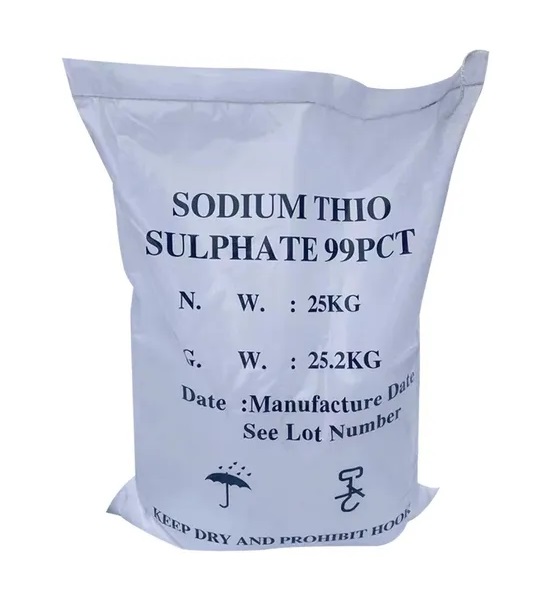
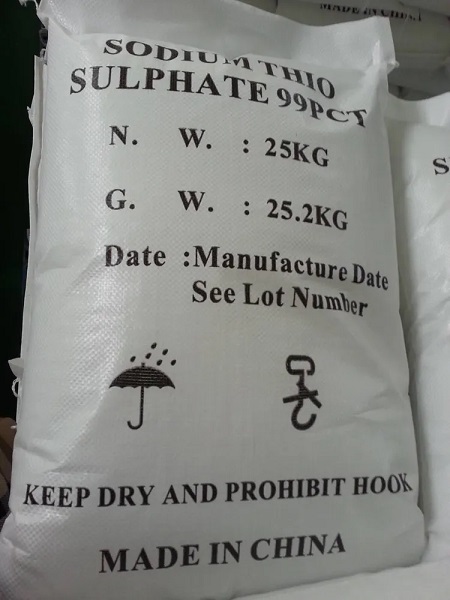
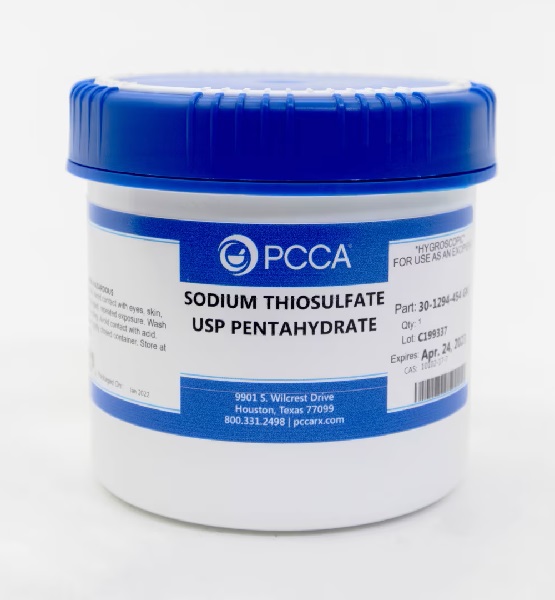
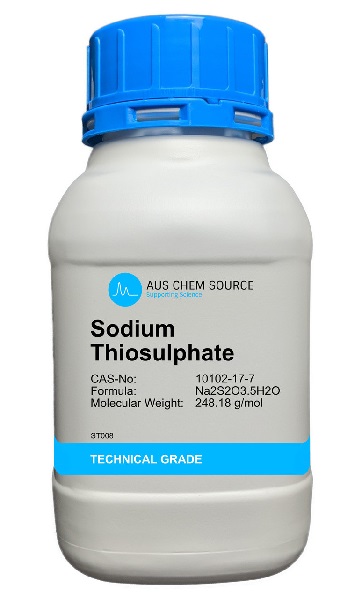
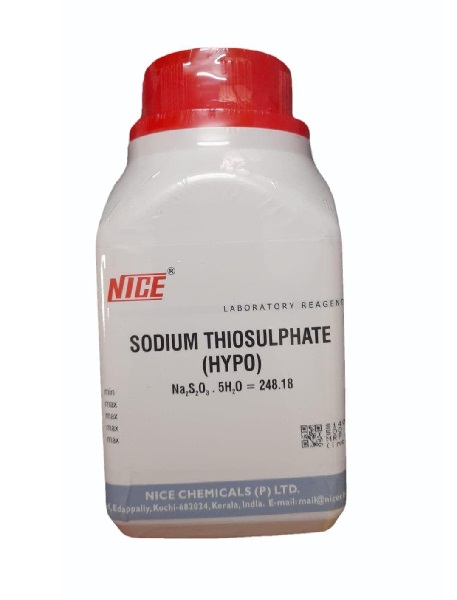
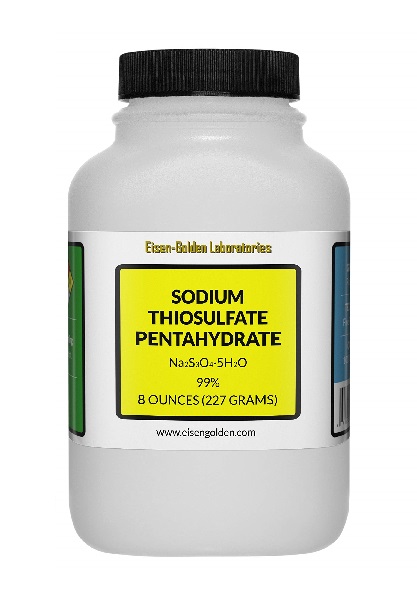
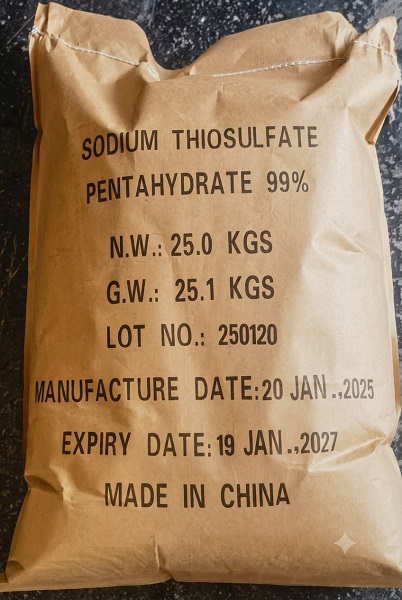
Sodium thiosulfate is a chlorine neutralizer that rapidly reduces excess chlorine in swimming pools. Contains Na₂S₂O₃, a reducing agent that converts free chlorine to harmless chloride compounds. Essential for emergency over-chlorination situations. Easy granular application directly to pool water. Egret Swimming Pools supplies sodium thiosulfate across Kenya with expert technical support for safe chlorine management.
Verified Technical Specifications
| Specification | Verified Information |
| Product Name | Sodium Thiosulfate |
| Chemical Category | Additional Important Pool Chemicals |
| Active Ingredient | Sodium Thiosulfate |
| Chemical Formula | Na₂S₂O₃ |
| Alternative Names | Antichlor, Chlorine Neutralizer, Dechlorinator |
| Primary Purpose | Neutralizes excess chlorine |
| Typical Usage | Chlorine reduction after over-chlorination |
| Form | White crystalline granules/powder |
| Purity | Typically 90-100% |
Contact Us:
- 📍 Location: Kihunguro, Ruiru – Kiambu County
- 📞 Call/WhatsApp: +254726545148
- 📧 Email: info@egretswimmingpools.co.ke | egreteswimmingpools@gmail.com
- 🕒 Working Hours: Mon – Sat 8:30AM – 5PM
Description
Sodium Thiosulfate – Chlorine Neutralizer for Swimming Pools in Kenya
Product Data
| Attribute | Verified Information |
| Product Name | Sodium Thiosulfate |
| Chemical Category | Additional Important Pool Chemicals |
| Active Ingredient | Sodium Thiosulfate |
| Chemical Formula | Na₂S₂O₃ |
| Alternative Names | Antichlor, Chlorine Neutralizer, Dechlorinator |
| Primary Purpose | Neutralizes excess chlorine |
| Typical Usage | Chlorine reduction after over-chlorination |
Product Overview
Sodium Thiosulfate is a specialized swimming pool chemical used to neutralize excess chlorine in pool water. As a member of the additional important pool chemicals category, sodium thiosulfate provides rapid and effective chlorine reduction when levels become dangerously high or uncomfortable for swimmers.
Over-chlorination is a common problem in pool maintenance. Whether caused by accidental overdose, miscalculation of shock treatment, or equipment malfunction, excessively high chlorine levels can make pool water unsafe and uncomfortable. Symptoms include strong chlorine odor, eye and skin irritation, and the potential for respiratory discomfort. Sodium thiosulfate provides the solution by chemically neutralizing free chlorine, restoring safe and comfortable swimming conditions.
The active ingredient, sodium thiosulfate, is a reducing agent that reacts with free chlorine to form harmless chloride compounds. This reaction is rapid and effective, making it the standard treatment for chlorine overdose in swimming pools. The product is widely available in granular form, typically with purity levels of 90-100% sodium thiosulfate crystals.
In the pool maintenance industry, sodium thiosulfate is sometimes referred to as “antichlor” or “chlorine neutralizer”. It is an essential addition to the chemical toolkit of every pool owner and professional. While careful dosing should prevent the need for chlorine neutralization, having sodium thiosulfate on hand provides peace of mind for handling emergencies.
Beyond pool applications, sodium thiosulfate is used in water treatment, aquaculture, photography, and industrial processing. In swimming pools specifically, it is used after super-chlorination or when chlorine levels have been inadvertently raised too high. It is also useful for testing procedures where chlorine needs to be removed from water samples.
Sodium thiosulfate is available in Kenya from various chemical suppliers, making it accessible for pool owners across the country. Egret Swimming Pools supplies high-quality sodium thiosulfate to residential and commercial pool owners who need reliable chlorine neutralization solutions.
How It Works
Sodium thiosulfate works through a straightforward chemical reaction that neutralizes free chlorine in pool water. Understanding this mechanism helps pool owners appreciate its effectiveness and proper use.
The Chemistry of Chlorine Neutralization
Sodium thiosulfate (Na₂S₂O₃) is a reducing agent that reacts with free chlorine (HOCl and OCl⁻) in pool water. The reaction converts both compounds into harmless chloride ions (Cl⁻):
Na₂S₂O₃ + 4HOCl + H₂O → 2NaHSO₄ + 4HCl
In simpler terms, sodium thiosulfate “reduces” the oxidizing power of chlorine, effectively neutralizing its sanitizing activity. The reaction is rapid, occurring almost immediately upon addition to the water.
When to Use Sodium Thiosulfate
| Situation | Recommended Action |
| Chlorine level exceeds 10 ppm | Use sodium thiosulfate to reduce to safe level |
| Eye/skin irritation from high chlorine | Neutralize to 1-3 ppm |
| After shock treatment overshoot | Apply to adjust to target range |
| Preparing for swimming after heavy chlorination | Reduce to safe level |
| Water testing requiring chlorine removal | Add before testing other parameters |
Key Features of Sodium Thiosulfate
- High Purity: Commercial products typically contain 90-100% sodium thiosulfate crystals
- Rapid Action: Neutralizes chlorine almost immediately
- Easy Application: Can be applied directly to pool water without premixing
- No Residue: Reaction products are harmless chloride compounds
Why It Matters
Chlorine neutralization is a critical safety capability for swimming pool management. Understanding why this matters helps pool owners appreciate the importance of sodium thiosulfate in their chemical inventory.
- Swimmer Safety- Excessively high chlorine levels are dangerous. The US Embassy in Kenya specifies that chlorine levels must be maintained at levels “safe and comfortable for humans” . High chlorine causes:
- Eye irritation and redness
- Skin dryness and dermatitis
- Respiratory discomfort (chlorine gas release)
- Damage to swimwear and equipment
Sodium thiosulfate restores safe conditions quickly.
- Emergency Response Capability- Accidents happen. Whether from pump failure, miscalculated dosing, or equipment malfunction, over-chlorination requires immediate correction. Sodium thiosulfate provides this emergency response capability.
- Convenience and Efficiency- Without sodium thiosulfate, high chlorine levels would require waiting for natural dissipation, which can take days. Sodium thiosulfate provides correction within minutes, minimising pool downtime.
- Professional Standard- Professional pool maintenance companies and commercial facilities keep sodium thiosulfate on hand for chlorine neutralization. The US Embassy’s Request for Quotation for pool maintenance in Kenya specifies proper chemical management practices including the need for personnel trained in handling all swimming pool chemicals.
Key Benefits
- Rapid Chlorine Reduction
Sodium thiosulfate neutralizes excess chlorine almost immediately upon application. According to product specifications, as little as 5 ounces of product per 10,000 gallons reduces chlorine by 5.5 ppm. This rapid action minimises pool downtime and discomfort.
- Why it matters:Quick correction means swimmers can return to the pool sooner.
- Practical outcome:Rapid restoration of safe swimming conditions.
- Safe and Effective
Sodium thiosulfate is safe for pool use when applied according to instructions. The reaction products are harmless chloride compounds. Studies indicate that sodium thiosulfate is non-toxic at recommended usage levels and is widely used in water treatment applications.
- Why it matters:Safety is paramount when handling pool chemicals.
- Practical outcome:Safe treatment with no harmful residues.
- Easy Application
Granular sodium thiosulfate can be applied directly to the pool water without premixing. This ease of use makes it accessible for all pool owners, including those with limited chemical handling experience.
- Why it matters:Simple application reduces the risk of handling errors.
- Practical outcome:Straightforward chlorine reduction for all pool owners.
- Cost-Effective Emergency Solution
Having sodium thiosulfate on hand prevents the need for costly water replacement or extended downtime. A small amount of product treats large volumes of water.
- Why it matters:Prevents expensive remedial actions.
- Practical outcome:Economical emergency response.
- Versatile Water Treatment Chemical
Beyond pool use, sodium thiosulfate is used in various water treatment applications including municipal water dechlorination, aquaculture, and industrial processing. This versatility reflects its reliability and safety.
- Why it matters:Proven performance across multiple applications.
- Practical outcome:Trusted chemical with established safety profile.
- Prevents Damage to Equipment and Surfaces
High chlorine levels can damage pool equipment, including heaters, pumps, and fittings. Sodium thiosulfate prevents this damage by rapidly normalising chlorine levels.
- Why it matters:Equipment protection saves money.
- Practical outcome:Longer equipment life.
Problem-Solution Table
| Problem | Likely Cause | How Product Helps | Expected Outcome |
| Eye and skin irritation | Excessively high chlorine | Neutralises free chlorine | Safe, comfortable water |
| Strong chlorine odor | High free chlorine | Reduces chlorine level | Odour-free water |
| Chlorine level above 10 ppm | Accidental overdose | Rapidly lowers chlorine | Safe residual 1-3 ppm |
| Pool unavailable for swimming | High chlorine requiring waiting | Immediate neutralisation | Restored pool use |
| Equipment damage risk | High chlorine corrosion | Normalises levels | Protected equipment |
| Testing interference | Chlorine affecting other tests | Removes chlorine | Accurate testing |
| After shock treatment overshoot | Miscalculated shock dose | Adjusts to target range | Balanced water chemistry |
Dosage & Application Guidance
Dosage Information:
Dosage requirements vary depending on manufacturer specifications, pool volume, and current chlorine level. Always follow product label instructions. Industry guidance indicates:
- Typical dose: 5 ounces (approximately 142 grams) per 10,000 gallons reduces chlorine by 5.5 ppm
- General rule: Approximately 2 ounces (57 grams) per 10,000 gallons reduces chlorine by approximately 2 ppm
- For metric pools: Approximately 0.15-0.2 kg per 10,000 litres reduces chlorine by 5-6 ppm
Application Method:
- Test water to determine current free chlorine level
- Calculate required dose based on pool volume and chlorine reduction needed
- Apply granules directly to pool water with pump running
- No premixing required for most granular products
- Circulate for 30 minutes to 1 hour
- Re-test chlorine level
- Wait at least 30 minutes before swimming
Important Considerations:
- Always test before and after application
- Start with half the calculated dose and adjust
- Over-dosage of sodium thiosulfate is virtually impossible as the reaction is self-limiting
- Store away from chlorine compounds and oxidizers
- Follow label instructions for specific product formulations
Water Balance Reference Table
The values below represent general swimming pool industry guidance. Sodium thiosulfate dosing should be adjusted to achieve appropriate chlorine levels:
| Parameter | Recommended Range | Notes |
| Free Chlorine | 1.0 – 4.0 ppm | Target range for safe swimming |
| After Neutralization | 1.0 – 4.0 ppm | Re-test after treatment |
| pH | 7.2 – 7.8 | Should not be affected by sodium thiosulfate |
| Total Alkalinity | 80 – 120 ppm | Maintain buffering capacity |
Step-By-Step Application Guide
Before Treatment
- Test water to determine current free chlorine level
- If level exceeds 10 ppm, neutralization is recommended
- Calculate required dose based on pool volume
- Ensure pump is running for distribution
During Treatment
- Measure the correct amount of sodium thiosulfate
- Apply granules directly to the pool water
- Distribute evenly around pool perimeter
- Run pump for 30 minutes to 1 hour
After Treatment
- Re-test free chlorine level
- If level is still above 4 ppm, repeat dose with smaller amount
- If level is below 1 ppm, add chlorine to restore
- Wait at least 30 minutes before swimming
Testing and Monitoring
- Test chlorine before neutralization
- Test again 30 minutes after application
- Re-test all water chemistry parameters after treatment
- Record readings for future reference
Kenya & East Africa Usage Guide
Sodium thiosulfate is available in Kenya from various chemical suppliers, including Nairobi-based suppliers serving Kenya, Uganda, Tanzania, and the wider East African region.
- Local Availability: Sodium thiosulfate is supplied in Kenya in various forms including white crystalline granules and solution form. It is used in water treatment, photography, textile processing, and aquaculture applications.
- Commercial Pool Applications: Hotels, resorts, and other commercial facilities in Nairobi, Mombasa, Kisumu, and across Kenya maintain sodium thiosulfate for chlorine neutralization emergencies. The US Embassy’s Request for Quotation for pool maintenance in Kenya specifies that personnel must be properly trained in the safe handling of all swimming pool chemicals.
- Accessibility: Sodium thiosulfate is widely available through pool chemical suppliers in Kenya, making it accessible for residential and commercial pool owners.
- Storage: Store sodium thiosulfate in a cool, dry, well-ventilated location, sealed tightly and properly stored away from chlorine compounds.
Commercial Applications
- Hotels and Resorts: Guest comfort and safety depend on proper chlorine levels. Sodium thiosulfate provides emergency correction when levels become unsafe.
- Schools and Universities: Educational facilities use sodium thiosulfate to manage chlorine levels after shock treatments and ensure student safety.
- Water Parks: High bather loads and complex treatment systems can lead to chlorine fluctuations. Sodium thiosulfate provides rapid correction.
- Pool Maintenance Companies: Professional service providers carry sodium thiosulfate for emergency chlorine neutralization.
- Property Management: Managed apartment pools benefit from the emergency response capability sodium thiosulfate provides.
Residential Applications
- Private Homes: Homeowners keep sodium thiosulfate on hand for accidental over-chlorination.
- Holiday Homes: Properties used intermittently may need chlorine correction before guest arrival.
- Airbnb Properties: Investment property owners quickly correct chlorine levels for guest comfort.
Safety & Handling
Storage:
- Store in a cool, dry, well-ventilated location away from mechanical equipment
- Keep away from chlorine compounds
- Store away from volatile materials such as paint, gasoline, kerosene, and oil
- Ensure containers are tightly sealed
Personal Protective Equipment (PPE):
- Gloves when handling
- Eye protection recommended
- Wash hands after handling
Handling Precautions:
- Apply chemicals directly to pool water
- Avoid mixing chemicals
- Do not ingest
- Use in well-ventilated areas
Environmental Considerations:
- Sodium thiosulfate is used in water treatment applications
- Reaction products are harmless chloride compounds
- Follow local disposal regulations
First Aid:
- Eye contact: Flush with water; seek medical attention
- Skin contact: Wash with soap and water
- Inhalation: Move to fresh air
- Ingestion: Seek immediate medical attention
Product Comparison Table
Sodium thiosulfate is the standard chlorine neutralizer for pool applications:
| Feature | Sodium Thiosulfate | Natural Dissipation | Water Replacement |
| Primary Purpose | Neutralizes excess chlorine | Waiting for chlorine to dissipate | Removing water with high chlorine |
| Speed | Minutes | Days | Hours |
| Cost | Low | No cost (time) | High (water and chemicals) |
| Effectiveness | High | Variable | Complete |
| Convenience | High | Low | Low |
| Equipment Impact | None | None | Requires refilling |
Cross-Selling Recommendations
- DPD Tablets: Accurate chlorine testing is essential for determining when neutralization is needed and verifying results.
- Chlorine Sanitizer: If neutralization reduces chlorine below target, replenish with appropriate chlorine product.
- pH Plus or pH Minus: Maintain proper pH alongside chlorine management.
- Shock Chlorine: Sodium thiosulfate may be needed after shock treatment overshoot.
- Pool Test Kit: Comprehensive testing supports complete water quality management.
Buying Guide
 How to Choose Sodium Thiosulfate
- Purity: Choose products with 90%+ purity for reliable results
- Form: Granular is most common and easy to use
- Quantity: Select based on pool volume and expected frequency of use
- Supplier: Choose reputable suppliers with quality products
Common Mistakes to Avoid
- Using sodium thiosulfate for routine pH management (it is for chlorine neutralization only)
- Not testing before application
- Adding too little or too much without retesting
- Storing near chlorine compounds
- Not waiting to retest after application
What Professionals Recommend
- Keep sodium thiosulfate on hand for emergencies
- Test chlorine before and after application
- Use small doses and retest
- Store properly away from chlorine and oxidizers
- Train staff in safe handling
Sodium Thiosulfate- FAQs
- What is sodium thiosulfate used for in pools?
Sodium thiosulfate is a chlorine neutralizer that rapidly reduces excess chlorine levels in swimming pool water. - How does sodium thiosulfate work?
Sodium thiosulfate is a reducing agent that reacts with free chlorine to form harmless chloride compounds. - When should I use sodium thiosulfate?
Use when chlorine levels are excessively high (typically above 10 ppm) or when swimmers are experiencing eye and skin irritation from high chlorine. - Is sodium thiosulfate safe for pool water?
Yes, sodium thiosulfate is safe for pool use when applied according to instructions. The reaction products are harmless. - How long after using sodium thiosulfate can I swim?
Wait at least 30 minutes after application, then re-test chlorine levels before swimming. Ensure chlorine is within 1-4 ppm range. - Can sodium thiosulfate be used routinely?
No, sodium thiosulfate should be used only when chlorine levels are excessively high. It is an emergency treatment, not a maintenance product. - Where can I buy sodium thiosulfate in Kenya?
Sodium thiosulfate is available through chemical suppliers in Nairobi and across Kenya, including System Star Industrial and other pool chemical suppliers.
Sodium Thiosulfate- Summary
Sodium thiosulfate is a chlorine neutralizer that rapidly reduces excess chlorine in swimming pool water. It contains sodium thiosulfate (Na₂S₂O₃) and works as a reducing agent, converting free chlorine to harmless chloride compounds. Essential for emergency over-chlorination situations. Apply granules directly to pool water with pump running. Egret Swimming Pools supplies sodium thiosulfate with expert guidance for safe chlorine management.
Protect Swimmers with Emergency Chlorine Neutralization
Accidents happen—be prepared. Egret Swimming Pools provides sodium thiosulfate and expert chemical management guidance for residential and commercial pool owners throughout Kenya.
- 📍 Location: Kihunguro, Ruiru – Kiambu County
- 📞 Call/WhatsApp: +254726545148
- 📧 Email: info@egretswimmingpools.co.ke | egreteswimmingpools@gmail.com
- 🕒 Working Hours: Mon – Sat 8:30AM – 5PM
Bulk orders welcome. Commercial contracts available. Let our pool chemistry specialists help you maintain safe, comfortable pool water.
Reviews
There are no reviews yet.